
Last updated October 17, 2026
 Entry doors
 Single hung
 Double hung
 Casement
 Bay & bow
 Impact garage doors
 CGI
CGIFree in-home measure and quote - PGT, CGI and CWS impact lines compared on your actual openings, style by style
Get your free estimateWindows & Doors Warning Signs: A San Antonio Homeowner’s Reference Guide
A door that suddenly sticks in August but swings freely in December isn’t a humidity problem. In San Antonio, it’s almost always a foundation shift, and the door frame is the most visible gauge of what’s happening under the slab. This guide exists because we’ve sat across kitchen tables from too many San Antonio homeowners who spent years treating symptoms instead of causes: repainting hairline cracks, blaming foggy glass on the weather, oiling hinges on a door that was actually telling them something important about their foundation. For The Complete Guide to Windows & Doors in San Antonio and more guides & resources, see our blog. By the time you finish reading, you’ll know which warning signs point to a $75 repair, which ones justify replacing a single window, and which ones mean it’s time to look at the whole house.
Quick Answer
Most window and door warning signs in San Antonio homes fall into three categories: seal failures (foggy glass, drafts at specific points), structural movement (sticky doors, latch misalignment, frame cracks), and material degradation (chalky frames, soft wood, UV-brittled caulk). A sticky door that changes with the seasons usually points to foundation movement, not humidity. Foggy glass that appears on the inside surface and won’t wipe away is a failed argon seal, not outdoor condensation. The average repair decision costs between $75 and $900 depending on the symptom, and the tell is in the details: where the draft is, which way the latch leans, and what the caulk looks like when you shine a light across it.
Table of Contents
- Seal Failure: Foggy Glass That Isn’t Condensation
- Draft Location: What Each Leak Point Tells You
- Three Door Symptoms That Point to Foundation Movement
- Frame Crazing vs. UV Degradation: The Light-Deflection Test
- Caulk Cracks: When Paint Won’t Fix It
- The Repair-or-Replace Decision Matrix
- Common Mistakes to Avoid
- When to Call a Professional
- Frequently Asked Questions
Seal Failure: Foggy Glass That Isn’t Condensation
If you wake up in the morning and your double-pane window looks like a bathroom mirror, the first question is which side the fog is on. Run a finger across the glass. If it’s wet and the moisture wipes away, that’s exterior condensation, a normal San Antonio phenomenon on cool winter mornings when warm indoor air meets cold glass. It clears within an hour of sunrise and is not a warranty issue. If the fog is between the two panes and you cannot reach it from either side, the argon gas seal has failed. That window now has roughly half the insulating value it was designed for.
Here’s what’s happening inside that sealed unit. A double-pane window is two sheets of glass with a spacer between them, and the space is filled with argon gas, which is denser than air and slows heat transfer. The seal around that spacer is a flexible compound designed to last 15 to 20 years in ideal conditions. San Antonio heat accelerates the failure. Daytime attic temperatures over 140 degrees bake the seal material until it becomes brittle, then the glass expands and contracts with the temperature swings we get in October and March, and the seal cracks. Moisture gets in. Argon gets out.
How to confirm a seal failure:
- Wait for a cool morning, around 6:30 a.m. before the sun hits the window.
- Wipe the exterior surface with a dry cloth. If the fog is on the outside, it will clear.
- Shine a flashlight at a 45-degree angle through the glass. A failed seal shows a gray, cloudy film that moves slightly with pressure if you press gently on the center of the glass.
- Check the low-E coating. Failed seals often trap mineral deposits between the panes that look like an oil slick or soap scum.
A failed seal does not mean the window is dangerous. It means the window has become a two-pane window performing like a single-pane window, and your AC bill in July will confirm it. Some San Antonio homeowners replace just the glass unit, called an IGU, for $150 to $350 per window depending on size. Others replace the full window when the frame is also aging. The decision depends on the frame condition, which we’ll get into below. If you’re comparing Window Replacement in San Antonio options, knowing whether the frame is sound before replacing glass saves money.
Draft Location: What Each Leak Point Tells You
Where a draft comes from is the single most useful diagnostic a San Antonio homeowner can learn. The location narrows the failed component down to one of three parts: the seal between the sash and frame, the weatherstripping, or the frame-to-wall installation seal. Each points to a different fix and a different price.
Draft at the top corner of a window or door: The most common cause is failed weatherstripping where the two seals meet at the corner. The weatherstripping shrinks in San Antonio’s low winter humidity, leaving a small gap. The fix is often under $75 in materials and takes an afternoon. If the draft persists after new weatherstripping, the sash may be racked, meaning the frame itself has shifted slightly out of square and the sash no longer seals evenly.
Draft at the bottom sill: This is almost always a failed or compressed bottom seal, especially on sliding windows and patio doors. The seal, called a pile weatherstrip or a bulb gasket, flattens over years of foot traffic and door weight. On double-hung windows, a draft at the bottom meeting rail often means the tilt latches are not fully engaging, leaving a hairline gap between the two sashes. The fix is usually replacement weatherstripping, a $10 to $40 part, but the labor to access the rail can be the real cost.
Draft at the side jamb, full length of the frame: This points to the installation seal, the gap between the window frame and the rough opening in the wall. The window was installed with shims and either spray foam or fiberglass insulation around the perimeter. Over time, especially on west-facing walls in San Antonio that take the full afternoon sun, the framing lumber dries and shifts, breaking the seal. You’ll feel this as a thin, even draft down the entire side of the window. The fix is not a DIY caulk bead. It requires removing interior or exterior trim to re-insulate the rough opening, a job that runs $200 to $500 per opening depending on access. If you’re weighing whether to tackle this yourself, our DIY vs Professional Windows & Doors: The San Antonio Homeowner’s Decision Guide can help you decide.
One note for older San Antonio neighborhoods: Alamo Heights, Terrell Hills, and Monte Vista have a stock of 1940s and 1950s windows with glazing putty rather than gaskets. The putty dries and falls out in chunks, leaving a draft gap at the glass itself. If you see missing or crumbling glazing compound, that’s the leak. It’s a maintenance item on wooden windows, and it’s one of the things we look at on every Window Installation in San Antonio walkthrough.
Three Door Symptoms That Point to Foundation Movement
A door is the most honest structural instrument in a San Antonio house. It hangs on two or three hinges, and it either fits its frame or it doesn’t. When it stops fitting, something moved. The question is what moved, and whether the movement is seasonal or permanent.
Symptom 1: Latch misalignment. The latch bolt hits the strike plate too high or too low, and you have to lift or push the door to get it to close. This happens because the hinge-side jamb has settled or the floor under the hinge side has dropped. In San Antonio, where expansive clay soil expands when it rains and contracts during drought, slab movement of a quarter inch is common. A quarter inch is enough to move a latch out of alignment. The test is to mark the strike plate with a pencil where the latch is hitting. If the gap is less than an eighth of an inch, a new strike plate or a minor hinge adjustment may fix it. If the gap is larger or shifts seasonally, the movement is in the slab, not the door.
Symptom 2: Uneven floor gap. Close the door and look at the gap between the bottom of the door and the threshold. A properly hung door shows a gap that’s even across the width, at most a sixteenth-inch of variation. If the gap measures half an inch on the latch side and a quarter inch on the hinge side, the floor has dropped under one side of the door. That’s slab movement. A door that is cut to the slope of a settled floor is a patch, not a fix, but sometimes the patch is the right call if the foundation movement has stopped.
Symptom 3: Hinge-side paint cracking. Hairline cracks that run diagonally from the top hinge toward the ceiling, or from the bottom hinge toward the baseboard, mean the jamb is flexing under load. The hinge screws are holding the door’s weight while the jamb moves with the wall. Over time this loosens the screws, the door sags, and the crack widens. The diagnostic is simple: open the door halfway and lift from the knob. If the door moves up and down more than a sixteenth of an inch, the hinges or jamb are loose, and the question is whether the jamb moved on its own or the wall behind it moved. In San Antonio, it’s usually the wall behind it.
When any of these three symptoms appear, do not replace the door first. A new door installed into a moving frame will show the same symptoms within a year. Address the movement, then the door. For homes with historical door frames that are being repaired rather than replaced, our Door Installation in San Antonio process starts with measuring the rack of the opening before quoting the door.
Frame Crazing vs. UV Degradation: The Light-Deflection Test
Vinyl window frames in San Antonio face a specific enemy: the summer sun. We have more than 220 days of sun per year, and a west-facing window frame can reach surface temperatures of 160 degrees in July. That heat triggers two different failure patterns, and they look similar enough that homeowners confuse them.
Frame crazing is the appearance of fine, shallow cracks that run in short, irregular lines across the surface of a vinyl frame. They look like the crazing in old pottery glaze. Crazing is cosmetic. The vinyl is still structurally sound, the welds at the corners are intact, and the window performs its job. It happens because the top layer of the vinyl oxidizes and micro-cracks under UV exposure, and it’s accelerated by certain cleaners. Crazing does not require replacement.
UV degradation goes deeper. The vinyl becomes chalky, leaves a white residue on your fingers when you touch it, and over years it loses impact resistance and begins to warp. The corner welds may show gaps. The sash may no longer sit square in the frame because the frame itself has twisted. This is a material failure, and it is the point where a window should be replaced rather than serviced.
The light-deflection test separates the two.
- Choose a window that gets direct afternoon sun.
- Clean a six-inch section of the frame with mild soap and water, then dry it.
- Shine a flashlight along the surface of the frame at a low angle, about 15 degrees.
- If the cracks disappear under the raking light, it’s surface crazing.
- If the cracks show depth, or if the frame surface looks like the skin of an orange with visible pitting, that’s UV degradation.
This test matters because it decides the scope of work. Crazing is not a reason to replace windows. UV degradation is, and if one window on a wall shows it, the others usually will within a few years because they’ve had identical sun exposure. When we walk a San Antonio home and find UV-degraded frames on the west wall, we’ll often recommend replacing that exposure first and planning for the rest of the house as budget allows. It’s an honesty thing: we would rather tell you a window has five years left than sell you a replacement you didn’t need yet.
Caulk Cracks: When Paint Won’t Fix It
The caulk line where a window or door frame meets the exterior wall is the seam that keeps water outside. In San Antonio, it fails in two predictable ways, and each means something different.
Adhesion failure is the caulk pulling away from one surface but remaining attached to the other. You’ll see a gap where the caulk meets the brick or the stucco, or where it meets the window frame. This usually means the caulk was applied over dust, old paint, or a damp surface, and it never fully bonded. The fix is to remove the failing bead and re-caulk the joint with a product rated for exterior brick and stucco in high-UV conditions. It’s a $50 to $150 fix per window or door if the joint is accessible from a ladder.
Joint movement failure is different. The caulk has torn through the middle of the bead, leaving a ragged split that opens and closes with temperature changes. This means the window frame and the wall are moving relative to each other more than the caulk can stretch. In San Antonio, the cause is usually the daily expansion and contraction of the brick veneer on the afternoon-sun side of the house, or the window frame itself flexing. Joint movement failure is not fixed by applying more caulk over the top. The bead must be removed, the joint cleaned and backer rod installed, and a high-elongation sealant applied so it can move without tearing.
Paint does not fix either of these. A homeowner who paints over a torn caulk bead has hidden the symptom for one season, and the next winter rain will find the same crack and drive water behind the siding. The damage that follows is termite-friendly soft wood, rotting jamb extensions, and the musty smell in a bedroom that nobody can find the source of. If you run a finger along the caulk line and it leaves a chalky residue on your skin, the caulk is UV-dead and needs to come out. If the bead is intact but hard, it has lost elasticity and will split in the next cold front.
This is where the Cedarwell Care Promise shows up in the details. When we caulk a window in San Antonio, we name exactly what will happen if the joint is left as it is: water entry, rotted framing, higher cooling bills from air leakage. That’s not a sales pitch. It’s the same explanation we’d give a neighbor, and the C.A.R.E. value of explaining the price before the work applies to explaining the reason for the work, too.
The Repair-or-Replace Decision Matrix
Here is the honest framework we use when a San Antonio homeowner asks whether a specific symptom means a repair bill or a replacement budget. Each symptom maps to a recommendation based on the condition of what surrounds it, not just the symptom itself.
| Symptom | Likely Cause | Typical Repair | Typical Cost | Point to Replace |
|---|---|---|---|---|
| Draft at top corner | Shrunken weatherstripping | Replace weatherstripping | $50 – $200 | Frame is racked or sash is warped |
| Draft at bottom sill | Compressed pile or bulb seal | Replace bottom seal | $40 – $150 | Sash itself is cracked at the meeting rail |
| Draft down full side jamb | Failed installation seal | Re-insulate rough opening | $200 – $500 | Wall framing shows moisture damage |
| Foggy glass, internal | Argon seal failure | Replace IGU | $150 – $350 | Frame is also degraded, or glass is over 20 years old |
| Sticky door, seasonal | Slab movement | Adjust strike plate or hinges | $75 – $250 | Movement exceeds 1/4 inch and is worsening |
| Frame crazing | Surface UV oxidation | No action needed | $0 | Cosmetic only, never a replacement driver |
| Chalky, pitted frame | UV degradation | Cannot be repaired | N/A | Single window replacement now, plan for others |
| Caulk adhesion failure | Poor original bond | Remove and re-caulk | $50 – $150 | Never a replacement driver |
| Caulk torn through bead | Joint movement | Re-caulk with backer rod | $100 – $250 | If you see interior cracking at the same joint |
Repair (under $300 per opening): Weatherstripping replacement, caulk replacement, IGU replacement on a healthy frame, hinge and strike plate adjustments, bottom seal replacement.
Single-unit replacement ($600 – $1,800 installed per window, depending on size and product line): UV-degraded frame, seal failure on a window that’s over 20 years old, a frame that has been racked out of square, a sash that has cracked at a corner weld, or a window that no longer operates safely.
Whole-house assessment: When three or more windows show the same failure type, when you find UV degradation on multiple exposures, or when door symptoms suggest ongoing slab movement, a full assessment is the right call. It doesn’t necessarily mean a whole-house replacement. It means a systematic walkthrough that identifies which windows are failing, which have life left, and what the phasing should look like. Most San Antonio homes in the 15-to-20-year range have a window replacement horizon that can be planned over two to four years rather than absorbed as a single invoice.
We carry eight manufacturer lines, including PGT, CGI, CWS, and ES Windows, because a 1960s ranch home in Northwood needs a different glass package than a 2005 stucco build in Stone Oak. The right product for a west-facing wall in San Antonio is not the same as the east-facing wall. That’s the difference between a quote that fits your house and a quote that fits a salesperson’s inventory.
Common Mistakes to Avoid
- Blaming sticky doors on humidity. San Antonio’s humidity fluctuates, but a door that changes fit with the seasons is tracking slab movement. Watch the latch alignment, not the weather report.
- Caulking over failing caulk. New caulk needs a clean, dry joint to bond. Applying a fresh bead over a torn one seals nothing and wastes an afternoon.
- Wiping interior fog and ignoring the seal. If you can wipe the moisture off the inside surface of the glass, that’s indoor condensation, not a seal failure. If it’s between the panes, it’s permanent. Know which one you have before calling anyone.
- Spray-foaming around a failed window seal. Expanding foam in the rough opening will not fix an argon seal failure between the glass panes. It will, however, make future window removal more expensive.
- Painting over hinge-side cracks on a door. The crack will return in six months because the jamb is still moving. Fix the hinge tension or the underlying movement first.
- Replacing one window on a wall with matching failures. If three windows on the same western exposure show UV degradation, replacing one buys you a visible mismatch in fading and a repeat bill in two years.
- Ignoring a draft because it’s “just one window.” A single failed seal on a San Antonio summer afternoon can add $15 to $30 a month to cooling costs. That’s $180 to $360 a year, every year, until it’s fixed.
When to Call a Professional
Call a professional when the symptom involves water, glass, or movement. Water staining around a window or door jamb means the leak has already been active for months, and the repair may extend into framing. Any glass replacement on a double-pane unit requires specialized handling. Any door symptom tied to slab movement deserves an evaluation before a single hinge is adjusted. If you’re in San Antonio and you’ve spotted one of these warning signs and want a second opinion, Lightwell Windows San Antonio home offers free estimates. Our team will walk the property, name what we see, and give you a written price before any work starts. Call (325) 420-4173 to schedule.
Frequently Asked Questions
Replacing just the sealed glass unit, called an IGU, typically costs between $150 and $350 per window in San Antonio, depending on size and whether the existing frame is in good condition. If the frame is also degraded, full window replacement runs $600 to $1,800 per opening. Call (325) 420-4173 for a written quote on your specific windows.
In San Antonio, seasonal sticky doors are usually caused by slab movement from expansive clay soil that swells with spring rain and contracts during dry summer heat. The door frame is moving with the foundation, not the humidity. If the stickiness follows the seasons, watch the latch alignment over three to six months before making any door changes.
No. Fog on the exterior surface that wipes away with your finger is normal condensation and clears within an hour of sunrise. Fog trapped between the two panes, which you cannot reach from either side, is a failed argon seal and it will not clear on its own.
Double-pane windows typically last 15 to 20 years in San Antonio’s heat, though west-facing windows may fail sooner because surface temperatures reach 160 degrees in summer and accelerate seal degradation. Frames with UV damage may last less, while shaded north-facing windows often outlast the warranty.
San Antonio requires permits for window replacement when the opening size changes or when structural framing is modified. Same-size window replacements in existing openings typically fall under maintenance work, but we always confirm current city code requirements before starting work. We pull permits and schedule inspections whenever they’re required.
With Lightwell Windows San Antonio, no. Every job gets a written price before work begins, and that’s the price you pay unless you ask us to add scope. If we open a wall and find rotted framing behind a leaking window, we stop, show you the damage, and give you a separate written price before touching it. That’s the Cedarwell Care Promise and the 365-Day Done Right Promise working together.
The Bottom Line
Windows and doors talk. A sticky door in August is reading you the movement under the slab. Foggy glass is a seal that’s already dead, not a weather event. A caulk bead torn through the middle is a joint that’s moving, and paint won’t stop it. Learning to read these symptoms saves San Antonio homeowners from fixing the wrong problem twice. For more guides & resources on windows and doors in San Antonio, visit our blog. When the symptom points to something you should not fix yourself, or when you want an honest assessment of what the whole house is telling you, call Lightwell Windows San Antonio at (325) 420-4173. We’ll walk the property, name what we see, and put the price in writing before anything gets touched. A light well is what brings daylight deep into a building, and that is what a well-installed window should do for your home.
Written by Keith Yamada, Owner at Lightwell Windows San Antonio, serving San Antonio since 2010.
Styles & brands we work with
See the difference
 Before
 After
After Before
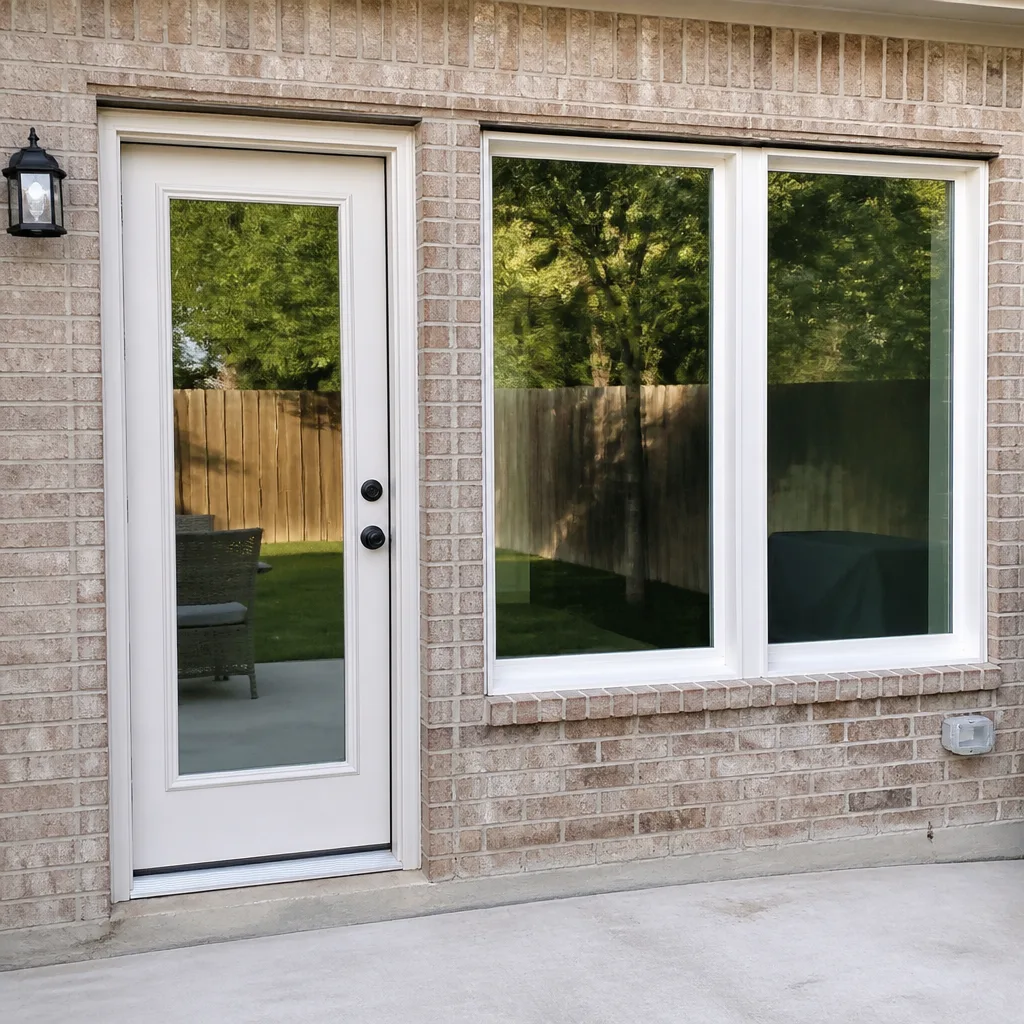 After
After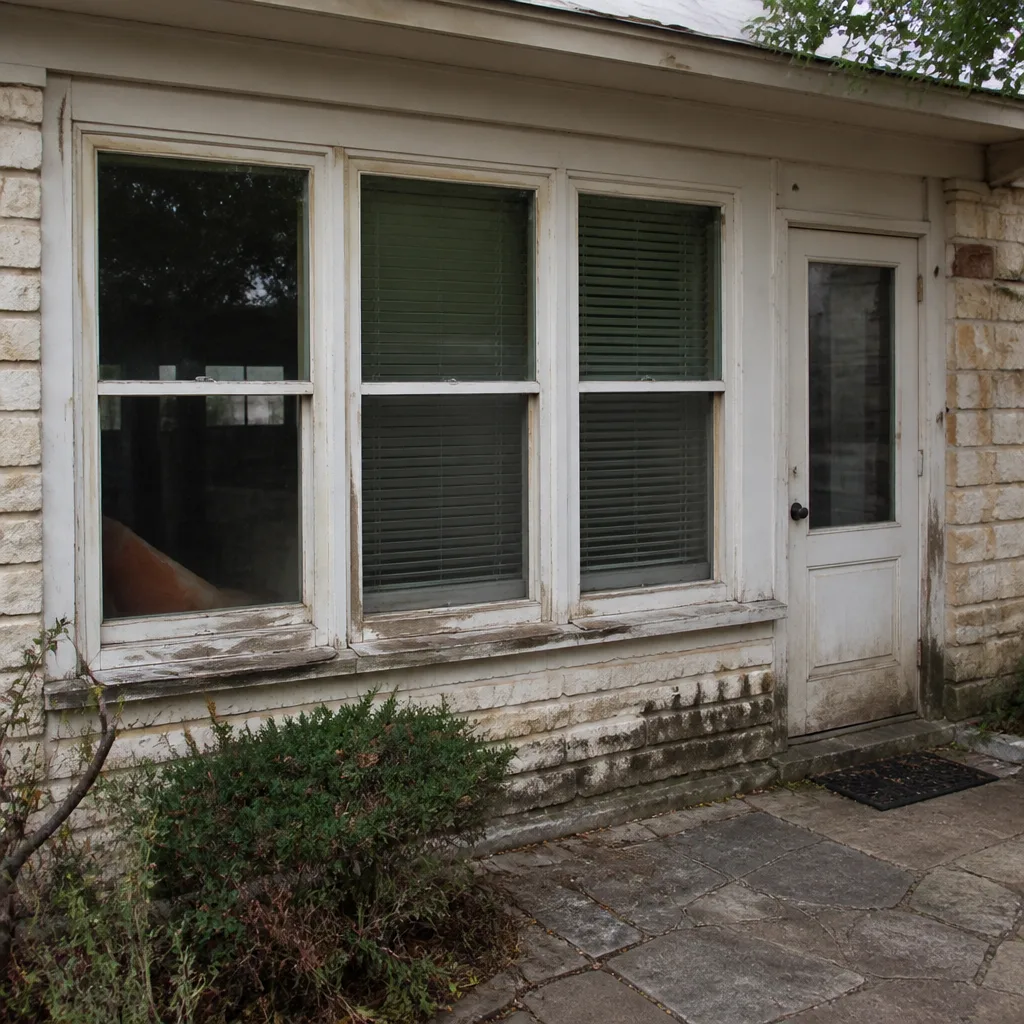 Before
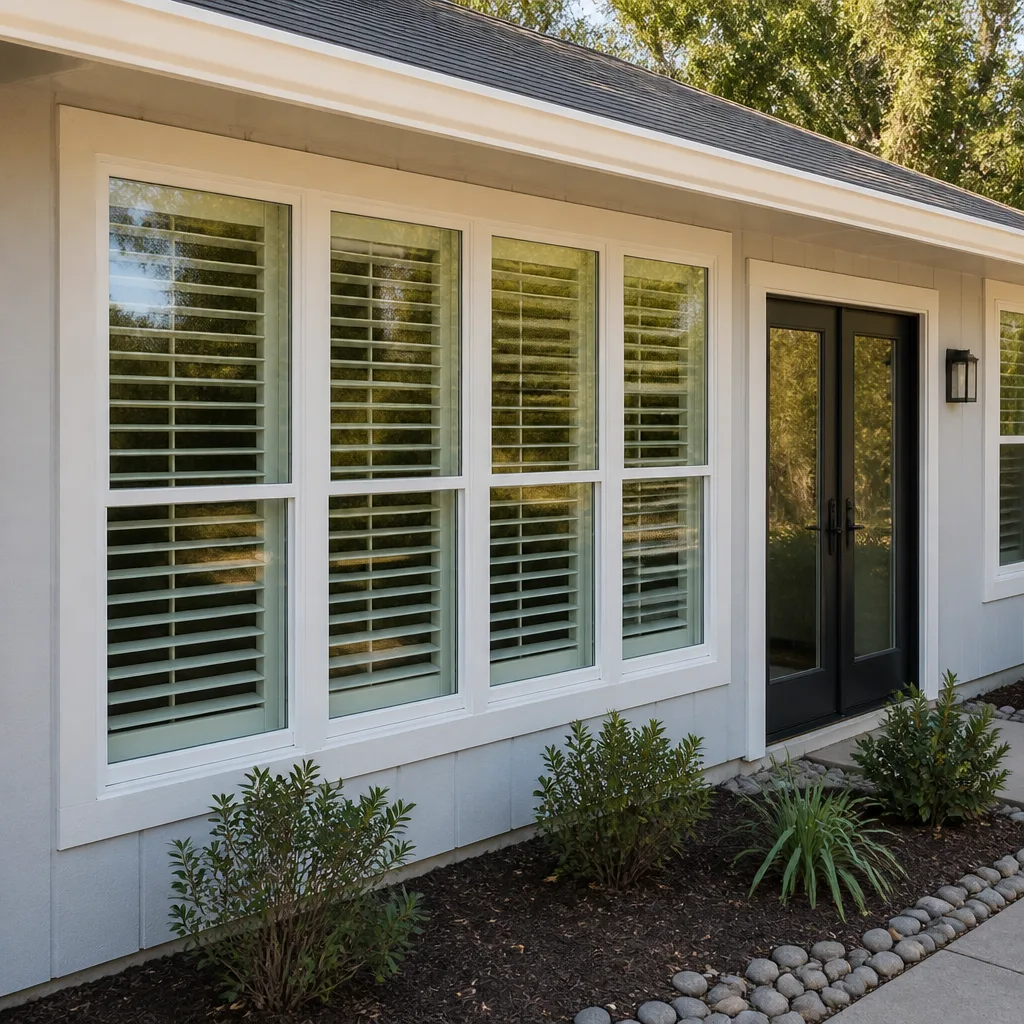 After
AfterSix Reasons Homeowners Choose Lightwell Windows San Antonio
Laminated glass and reinforced frames hold up to wind-driven rain, hail and flying debris, so your openings stay sealed when the weather turns.
Low-E insulated impact glass from our manufacturer lines commonly cuts monthly cooling bills 20-30%.
Laminated impact glass shuts out up to 40% of outside noise - traffic, neighbors, weather.
Monitoring services run $30-90 a month. Laminated impact glass resists forced entry around the clock, with no subscription.
Tighter seals and insulated glass even out hot and cold rooms and stop the drafts at the frame.
A full impact package upgrades curb appeal, buyer confidence and appraised value in one project.