
Last updated October 17, 2026
 Entry doors
 Single hung
 Double hung
 Casement
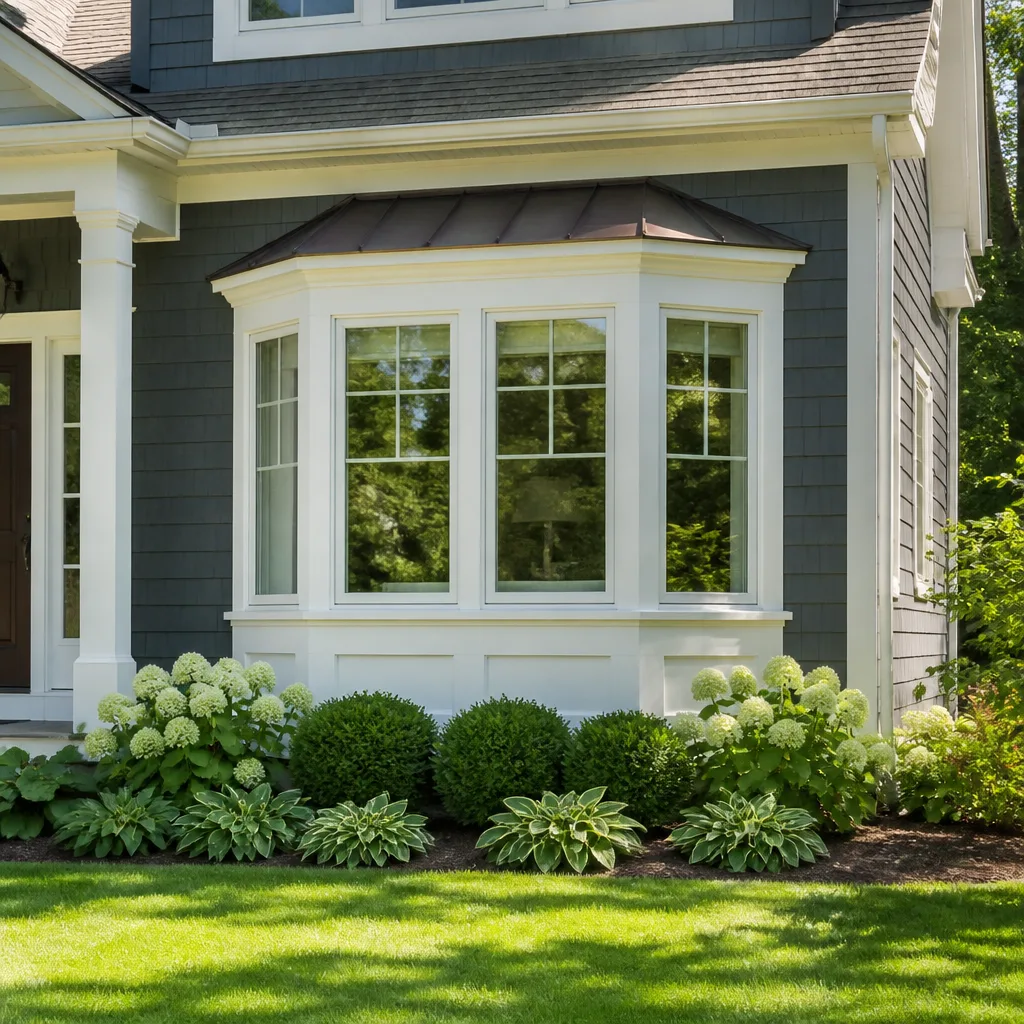 Bay & bow
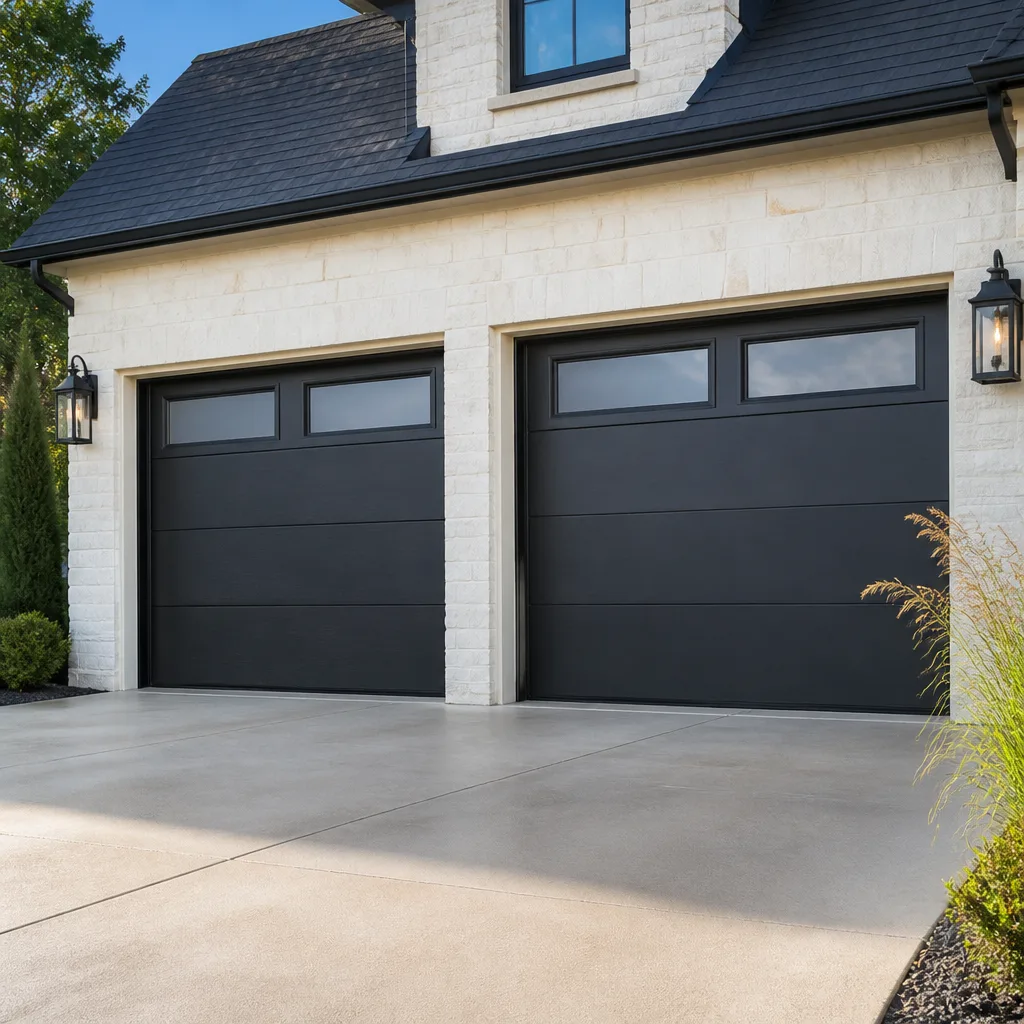 Impact garage doors
 CGI
CGIFree in-home measure and quote - PGT, CGI and CWS impact lines compared on your actual openings, style by style
Get your free estimateHow to Hire a Windows & Doors Contractor in San Antonio: A Step-by-Step Guide
In Texas, a homeowner can legally pull their own permit for window replacement. That sounds like a way to save a few hundred dollars until you meet the contractor who suggests it specifically so their name never appears on the city’s inspection record. What follows is a hard truth we’ve learned in San Antonio: the most expensive mistake isn’t choosing the wrong glass package. It’s signing a contract that never says who pulls the permit, who owns the warranty claim if the glass fails in year three, and what “cleanup” actually means when the crew backs out of the driveway. This guide walks every step, with the exact questions to ask before money changes hands, and points you to more guides & resources once you’re ready.
Styles & brands we work with
Quick Answer
To hire a windows and doors contractor in San Antonio, verify their Texas Department of Licensing and Regulation registration, request five specific insurance and licensing documents, obtain a written itemized quote separating labor, product, disposal, and permit fees, and confirm in the contract who pulls the permit and how warranty claims are handled. Interview the contractor with eight specific questions, then compare at least three written bids. Call (325) 420-4173 for a free estimate from Lightwell Windows San Antonio.
Table of Contents
- Step 1: Understand What You Actually Need Replaced
- Step 2: Verify License and Insurance Before Anyone Steps Inside
- Step 3: Read the Warranty Like a Contract (Because It Is One)
- Step 4: Get the Written Quote That Separates Every Line Item
- Step 5: Ask the Eight Interview Questions
- Step 6: Watch for San Antonio-Specific Red Flags
- Step 7: Confirm the Permit Process in Writing
- Step 8: Set Expectations for the Crew on Site
- Common Mistakes to Avoid
- When to Call a Professional
- Frequently Asked Questions
- The Bottom Line
Step 1: Understand What You Actually Need Replaced
Before calling any contractor, walk the perimeter of your home in San Antonio with a notepad and our Window Replacement Maintenance Checklist for San Antonio Homeowners in mind. The summer heat and the occasional hailstorm do different things to different parts of a window assembly. A fogged double-pane unit between two healthy frames is a glass-only replacement. A rotted wood sill under a window that still opens smoothly is a frame repair. A window that won’t stay up, lets air whistle through the cracks, or has visible gaps where the brick meets the frame is a full replacement.
Why this matters for hiring: if you don’t know the scope, you can’t compare quotes fairly. One San Antonio contractor may quote $1,800 for a full window replacement while another quotes $420 for a glass-only insert, and both are technically correct for different scopes. That’s not a rip-off. That’s two different jobs. When you can describe the actual problem, the contractor can give you an accurate range before the site visit.
Most window replacements in the San Antonio market run between $600 and $1,300 per opening for a standard double-hung vinyl window, including labor and basic trim. Mahogany or custom aluminum from brands like ES Windows or CWS will land higher. Door installations typically run between $1,800 and $4,500 per door, depending on whether it’s a pre-hung single entry or a multi-panel slider. These ranges reflect what we see across the city, from Alamo Heights to Stone Oak to the older bungalows in Beacon Hill; for deeper detail, see our Windows & Doors Cost Breakdown: The San Antonio Homeowner’s Reference for 2026.
Step 2: Verify License and Insurance Before Anyone Steps Inside
Every legitimate window replacement contractor in San Antonio should hand you five documents before their truck arrives. If they hesitate on any of these, that’s your first answer about how difficult they’ll be to work with later. Request them in writing, by email, so you have a record.
- Texas Department of Licensing and Regulation (TDLR) registration number. You can verify this on the TDLR website in under five minutes. The contractor should provide the number without being asked twice.
- Certificate of general liability insurance. Look for a minimum $1 million policy, and ask that the certificate list you as the certificate holder. This should come directly from the insurance carrier, not just a PDF from the contractor’s own files unless it references the carrier and policy number clearly.
- Workers’ compensation coverage or a written waiver. If a crew member is hurt on your property and the contractor carries no workers’ comp, the claim can land on your homeowner’s policy. In Texas, workers’ comp is not required for all private employers, which makes this check more important, not less.
- A written statement of who handles the permit. Not a verbal promise. A sentence in the contract that says “Contractor will pull all required permits with the City of San Antonio.”
- The contract itself. Not a proposal, not a one-page estimate. A signed contract with scope, dates, materials, payment terms, and the warranty terms attached.
We’ve walked homes in San Antonio where the previous contractor pulled the permit but listed the homeowner as the responsible party, or vice versa, and it caused months of confusion when the inspection came due. If a contractor suggests you pull the permit yourself “to save money,” ask this: whose name will be on the inspection record when the city asks who performed the work?
Step 3: Read the Warranty Like a Contract (Because It Is One)
Warranty documents are the most-read-never-understood paper in a window job. There are three layers, and most homeowners only ever see the first one.
The manufacturer’s product warranty covers the physical window or door: the glass unit, the frame extrusion, the hardware, the seals. A typical PGT or CGI impact window carries a limited lifetime warranty on the frame and a 10-year warranty on the glass against seal failure. But read the exclusions. Some product warranties don’t cover installation errors, water intrusion if the flashing was installed wrong, or labor to remove and reinstall a defective unit.
The installer’s labor warranty is what the contractor writes themselves. This is where the range is widest. One contractor offers a 1-year workmanship period. Another offers 5. Some state it in the quote. Some don’t state it at all, which means Texas default consumer protection is your only recourse if caulk fails after 14 months.
The Cedarwell Care Promise is what we add on top of both. Since 2010, Lightwell Windows San Antonio has operated to a 365-Day Done Right Promise: if the finished work is not right, we make it right. No debate, no countdown. That’s in writing, and it covers the things the other two documents often don’t: the drywall touch-up around the opening, the trim alignment, the gap under the door sweep, the way the window locks feel when you turn the handle. A light well is what brings daylight deep into a building, and that is what a well-installed window should do for your home. The promise is the mechanism that guarantees it.
Step 4: Get the Written Quote That Separates Every Line Item
A single number at the bottom of a proposal tells you almost nothing. You can’t compare $14,200 to $12,800 if you don’t know what’s inside each. A written, itemized quote is the single clearest signal of a contractor’s professionalism, because it means they’ve already done the math and are willing to show their work.
Ask for the quote to list these separately:
- Materials: window or door models, brand, glass package, finish, hardware, and screen options.
- Labor: removal of the old unit, installation, finish work, and trim.
- Disposal: haul-off of old windows, doors, framing, and job debris. If this line is missing, ask if the crew leaves the old units at the curb for your own disposal.
- Permit fee: the actual City of San Antonio permit cost, passed through at cost.
- Sales tax.
When we prepare a quote at Lightwell Windows San Antonio, every line is spelled out before anything is signed. No-hassle upfront pricing is a standing operating rule: a written price before any work starts, always. That’s the only way a family with kids and a mortgage can plan for a job this size without an invoice surprise at the end. If a contractor resists itemizing, it’s rarely because the job is too complex to break down. It’s usually because a lump sum is easier to change later.
In San Antonio, where older homes may have non-standard rough openings, custom aluminum frames from a brand like ES Windows might add $200 to $500 per opening over a standard vinyl retrofit. A quote that lists this as a line item is a contractor who knows the house before the crew arrives.
Step 5: Ask the Eight Interview Questions
These questions work best asked in person, at the kitchen table or during the site walk, with your phone on the table recording if the contractor consents. A trustworthy answer sounds specific. A vague answer is a sign that something is being managed rather than disclosed.
- “Who will be at my house on installation day, and how many people are on the crew?” A good answer names the lead installer, tells you the crew size, and confirms that the person you’re talking to will be reachable by phone. A vague answer is “my team” with no specifics.
- “Who pulls the permit, and what happens if the inspection doesn’t pass?” A good answer says the contractor pulls it, and if inspection fails, the contractor fixes the issue and schedules re-inspection at their cost. A vague answer is “we usually pass.”
- “What does cleanup look like when you leave?” A good answer mentions specifics: shoe covers, drop cloths, a sweep of the interior, haul-off of all debris, and the condition you should expect. A vague answer is “we clean up.” At Lightwell, the C.A.R.E. values apply on every visit: Clean up like it is our own home; Ask before we move or touch anything; Respect the family’s time and quiet hours; Explain the price before the work. The clean-up includes a photo of the finished space before the crew leaves.
- “What happens to my drywall, trim, and interior paint around each opening?” A good answer tells you exactly what will be disturbed and what will be repaired. A vague answer is “minimal disruption.”
- “What if the new window is damaged on arrival or has a factory defect?” A good answer explains the reorder timeline, the replacement process under the manufacturer’s warranty, and what happens to your schedule. A vague answer is “that rarely happens.”
- “Can you show me your workers’ comp and liability certificates right now?” A good answer says yes and pulls them up. A vague answer is “I’ll send those later.”
- “What’s your workmanship warranty in writing, and what does it exclude?” A good answer states the term confidently and can point to the document. A vague answer is “we stand behind our work.” Ask: for how long, and what exactly does that include? We put the 365-Day Done Right Promise on every job, not just the easy ones.
- “Why are you recommending this brand and not another?” A good answer ties the brand to your specific home: exposure to afternoon sun, noise from the nearby freeway, egress requirements, hurricane code in certain neighborhoods, or your stated budget. A vague answer is “it’s what we always use.” Lightwell carries eight manufacturer brands, including CGI, CWS, ES Windows, and ECO Window Systems, so the recommendation fits the home, not an installer’s preferred vendor.
Step 6: Watch for San Antonio-Specific Red Flags
Every market has its own failure patterns. In San Antonio, the two most common ones we see are storm chasers and paper contractors.
Storm chasers after hail events. San Antonio sits on the edge of hail alley, and after a significant storm, out-of-town crews materialize. The pattern is consistent: they canvass a neighborhood with a generic pitch, offer a “storm special,” and push for a same-day signature because “insurance rates change next week.” Legitimate claims are worked through your insurance timeline, not a doorstep deadline. A same-day signature request on a $15,000 project is rarely a reflection of demand and usually a reflection of urgency to get a deposit before the customer thinks clearly.
Paper contractors with no local presence. Some San Antonio window companies exist only as a license number and a website. No local phone answered by a person, no local address, no crew you can meet before installation day. Ask for the physical address of the local operation. At Lightwell Windows San Antonio, a live person answers the phone 24/7. That matters when a new install has a gap in the flashing at 8 p.m. and you need to know whether to tarp it or leave it.
Deposit terms that shift after the contract is signed. A standard deposit in this market is 25 to 35 percent for custom orders. If a contractor asks for full payment before the job starts, or demands cash only, or offers a discount for paying today before the permit is pulled, that’s a red flag. Texas law requires certain disclosures for home improvement contracts. Any pressure to skip the disclosure process is the contractor’s problem, not yours.
Step 7: Confirm the Permit Process in Writing
The City of San Antonio requires a building permit for window and door replacements that alter the rough opening or involve structural changes. A like-for-like replacement of an existing window, where the opening does not change, may not require one. But many installations do, particularly when you’re changing from a window to a door, enlarging an opening, or doing work on a load-bearing exterior wall.
Ask the contractor to confirm in the written quote: “All required permits will be pulled by [contractor name] with the City of San Antonio, and all inspection fees are included in the price, except [list any pass-through costs].” Then ask for a copy of the permit before work starts. When you compare window installation quotes in San Antonio, the permit line item is often the first thing a low bidder quietly drops.
Why permits matter beyond code compliance: your homeowner’s insurance may require permits for any modification that changes the building envelope. If you ever sell the home, unpermitted work can stall a closing. If the contractor never pulled the permit and the inspector’s record is blank, that cost lands on you later, and it’s always more expensive to fix after the fact than before the first window comes out of its frame.
Step 8: Set Expectations for the Crew on Site
Installation day is the moment the contract turns into reality. What happens in your home should match what was promised at the kitchen table. State your house rules up front, and a professional crew will treat them as part of the job.
At Lightwell Windows San Antonio, our background-checked, uniformed technicians follow the C.A.R.E. values on every visit. That means shoe covers and drop cloths on every visit, a photo of the clean-up before the crew leaves, and pet-safe products wherever there is a choice. We ask before moving anything. We respect nap time. We use quieter tools during quiet hours when that’s the arrangement we made. We explain the price before the work, and the work before the hammer.
These things are not decorations on a brochure. Families with kids and pets tell us the difference between a crew that respects a home and a crew that treats it like a job site is the difference between hiring that company again and telling the neighbors to stay away. In a city the size of San Antonio, a contractor’s reputation travels block by block. The door installation crews in San Antonio that last are the ones who leave the house cleaner than they found it.
Common Mistakes to Avoid
- Signing without seeing the permit language in writing. Homeowners in San Antonio sometimes discover after the fact that they’re listed as the responsible party on their own permit because the contractor asked them to “handle it.” The contract should state who pulls the permit, without exception.
- Comparing only the bottom-line number. One quote may include trim, disposal, permit fees, and a 5-year labor warranty. Another may list only the window unit. The lower number often means missing pieces you’ll pay for later. Itemize, or you’re comparing apples to empty boxes.
- Picking a brand before picking a contractor. The window is only as good as the flashing around it. A premium brand like CGI or CWS installed by a rushed crew will leak and fog. The installer’s workmanship is the weather barrier. Choose the contractor first, then the product.
- Paying the full balance before the final inspection passes. Hold final payment until the permit is signed off. That’s standard practice in San Antonio and protects your leverage if the inspector flags an issue.
- Ignoring the labor warranty because the product warranty sounds impressive. A limited lifetime product warranty doesn’t cover installation errors. If the caulk fails at month 18 and the labor warranty was 1 year, the cost to reflash the window is yours. Read both documents.
- Falling for storm-chaser same-day signature pressure. Legitimate San Antonio window companies don’t need a yes before sundown. High-pressure tactics after a hail event are designed to get a signature before you get a second opinion.
- Forgetting to ask about kids and pets. A professional crew should have an answer about lead dust containment on older homes, pet-safe caulk and sealants, and keeping the work zone closed off from small children. If they don’t, you’ve learned something about their level of care.
When to Call a Professional
Some window and door work in San Antonio is genuinely worth doing yourself: touching up paint on a window sill, lubricating a sticky lock, replacing weatherstripping on a door frame. Those are maintenance tasks. The moment you’re looking at water damage around an opening, a door that swings on its own because the frame is out of square, or glass that’s cracked through the thermal seal, the scope has passed the DIY threshold. High-tension hinges on large impact doors, glass handling on heavy units, and flashing work that must integrate with a brick or stucco exterior all carry real risk of injury if mishandled. We recommend a trained professional for any job that touches the building envelope. Lightwell Windows San Antonio offers free estimates in San Antonio. Call (325) 420-4173 and we’ll walk the site with you, name the problems we see, and put a written price in your hands before you decide anything.
Frequently Asked Questions
Most window replacements in San Antonio run between $600 and $1,300 per opening for a standard double-hung vinyl window, including labor, disposal, and basic trim. Custom aluminum or impact-rated windows from brands like ES Windows or CGI run higher, often $1,400 to $2,800 per opening depending on size and glass package. Call (325) 420-4173 for an exact quote; estimates are free.
If you’re replacing a window like-for-like without changing the rough opening, a permit may not be required, but any job that alters the opening, changes a window to a door, or touches a load-bearing wall does require a City of San Antonio building permit. The contract should state who pulls it. At Lightwell Windows San Antonio, we pull every required permit and list the fee in the written quote.
Request the contractor’s Texas Department of Licensing and Regulation registration number and verify it on the TDLR website before any work begins. Confirm the name matches the company on the contract and the physical address is local. If the contractor won’t provide the number, that’s the end of the conversation.
The product warranty covers the window or door itself: the frame, glass, seals, and hardware. The labor warranty covers the installation workmanship: flashing, trim, the fit of the unit in the opening. A lifetime product warranty from PGT or CWS means the glass is covered. It does not mean a leaking installation will be re-flashed for free. Ask for both in writing.
Expect to pay 25 to 35 percent as a deposit on a custom window or door order, with the balance due at completion. Avoid any contractor who asks for full payment up front, cash-only terms, or a “discount” for paying the entire job today before the permit is pulled.
A standard single-story home replacement of 8 to 12 windows usually takes 1 to 2 days with a skilled crew, depending on interior trim work. Custom orders may take 4 to 8 weeks from measurement to installation. Door replacements are typically a single day. We’ll give you a written schedule with the quote, and we stick to it.
The Bottom Line
Hiring a windows and doors contractor in San Antonio is a paperwork exercise before it’s a construction one. The five documents, the itemized quote, the warranty language, the permit responsibility, and the interview answers are the whole game. A contractor who is transparent about all of them will be transparent with your home. A contractor who resists them will resist accountability later, when the invoice arrives or the inspection gets scheduled. We built Lightwell Windows San Antonio on the Cedarwell Care Promise since 2010: shoe covers, drop cloths, a written price before anything starts, and a live person on the phone at any hour. We’d rather spend an hour answering your questions than a day redoing someone else’s rushed work. Call (325) 420-4173 for a free estimate in San Antonio.
Written by Keith Yamada, Owner at Lightwell Windows San Antonio, serving San Antonio since 2010.
See the difference
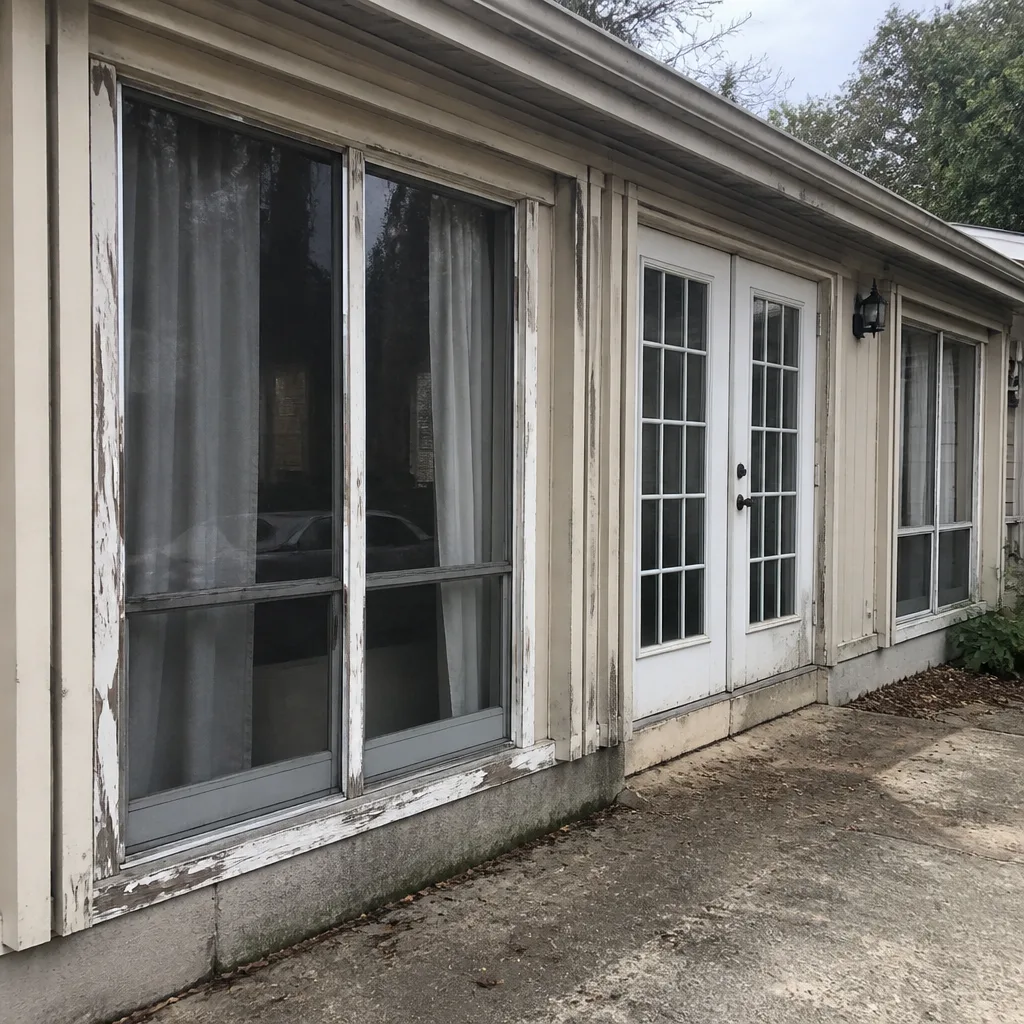 Before
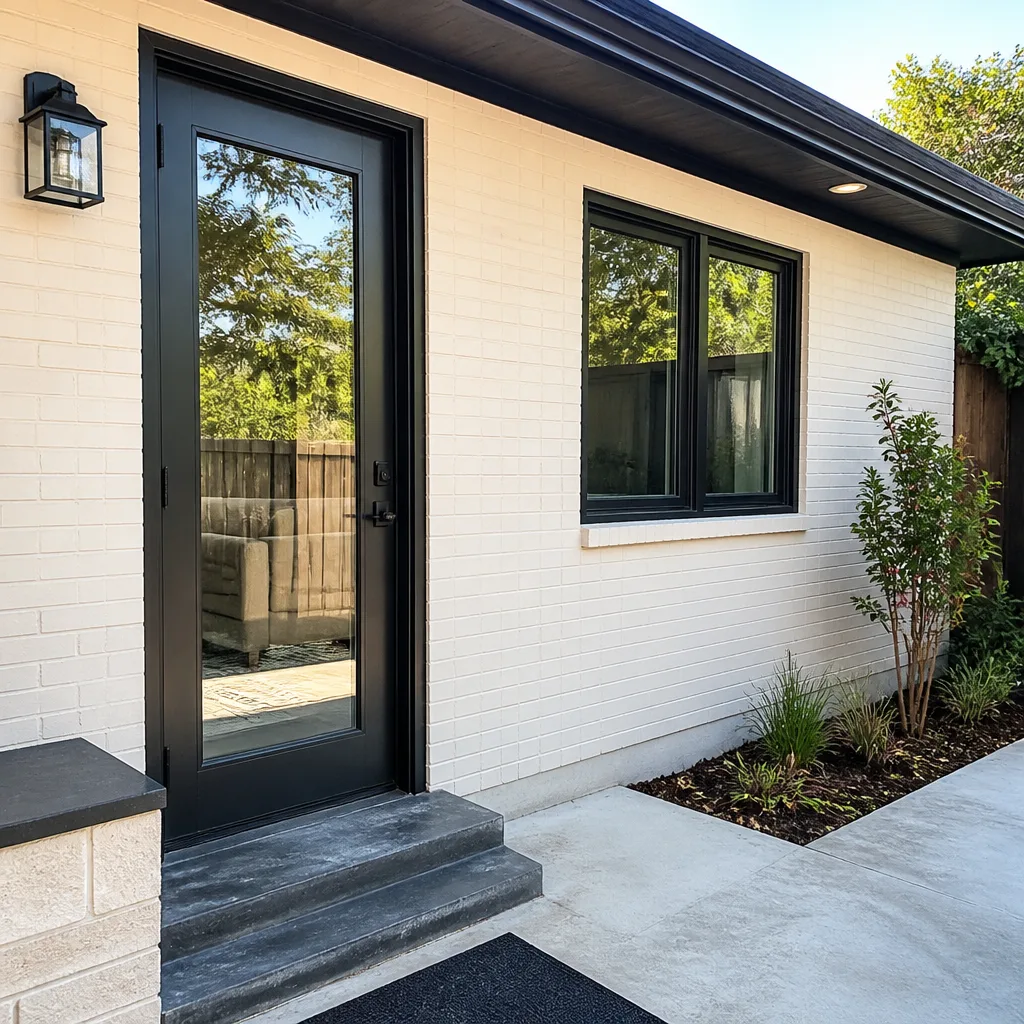 After
After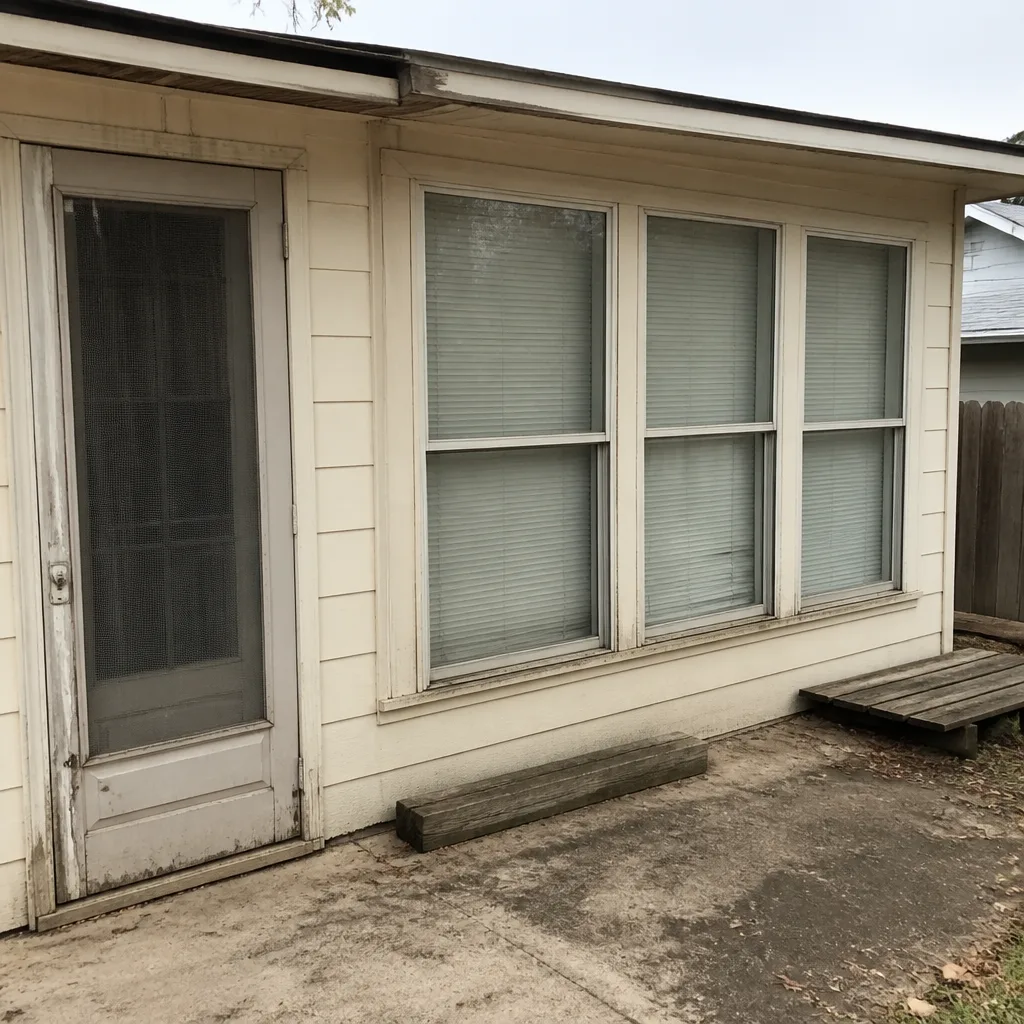 Before
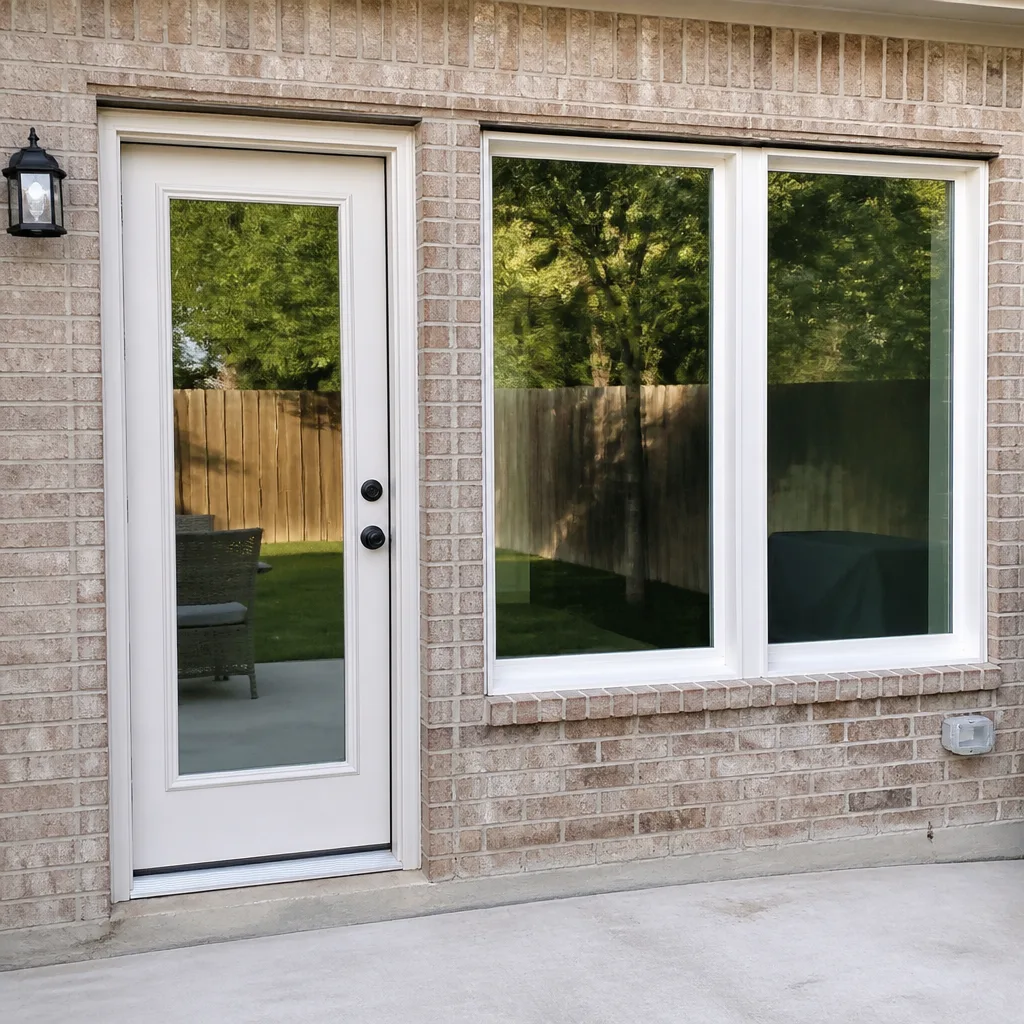 After
After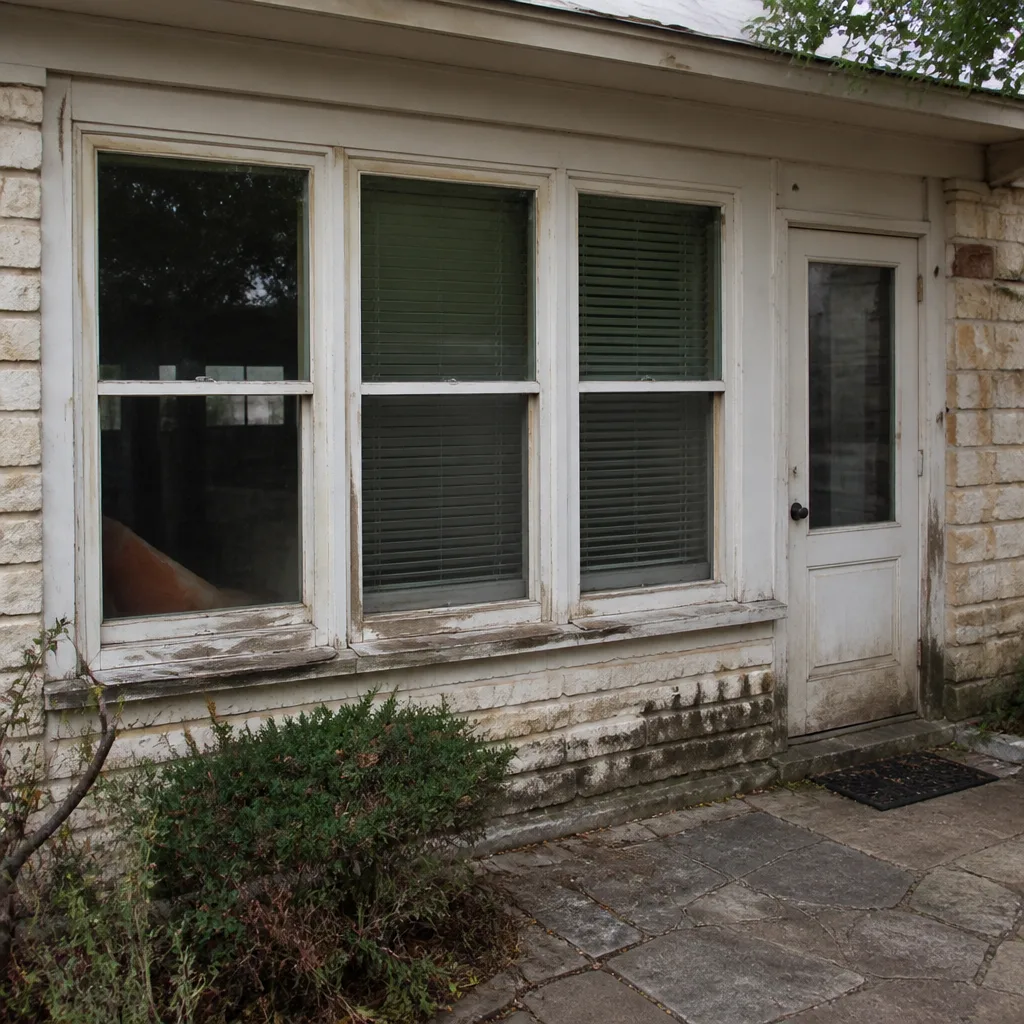 Before
 After
AfterSix Reasons Homeowners Choose Lightwell Windows San Antonio
Laminated glass and reinforced frames hold up to wind-driven rain, hail and flying debris, so your openings stay sealed when the weather turns.
Low-E insulated impact glass from our manufacturer lines commonly cuts monthly cooling bills 20-30%.
Laminated impact glass shuts out up to 40% of outside noise - traffic, neighbors, weather.
Monitoring services run $30-90 a month. Laminated impact glass resists forced entry around the clock, with no subscription.
Tighter seals and insulated glass even out hot and cold rooms and stop the drafts at the frame.
A full impact package upgrades curb appeal, buyer confidence and appraised value in one project.