
Last updated October 17, 2026
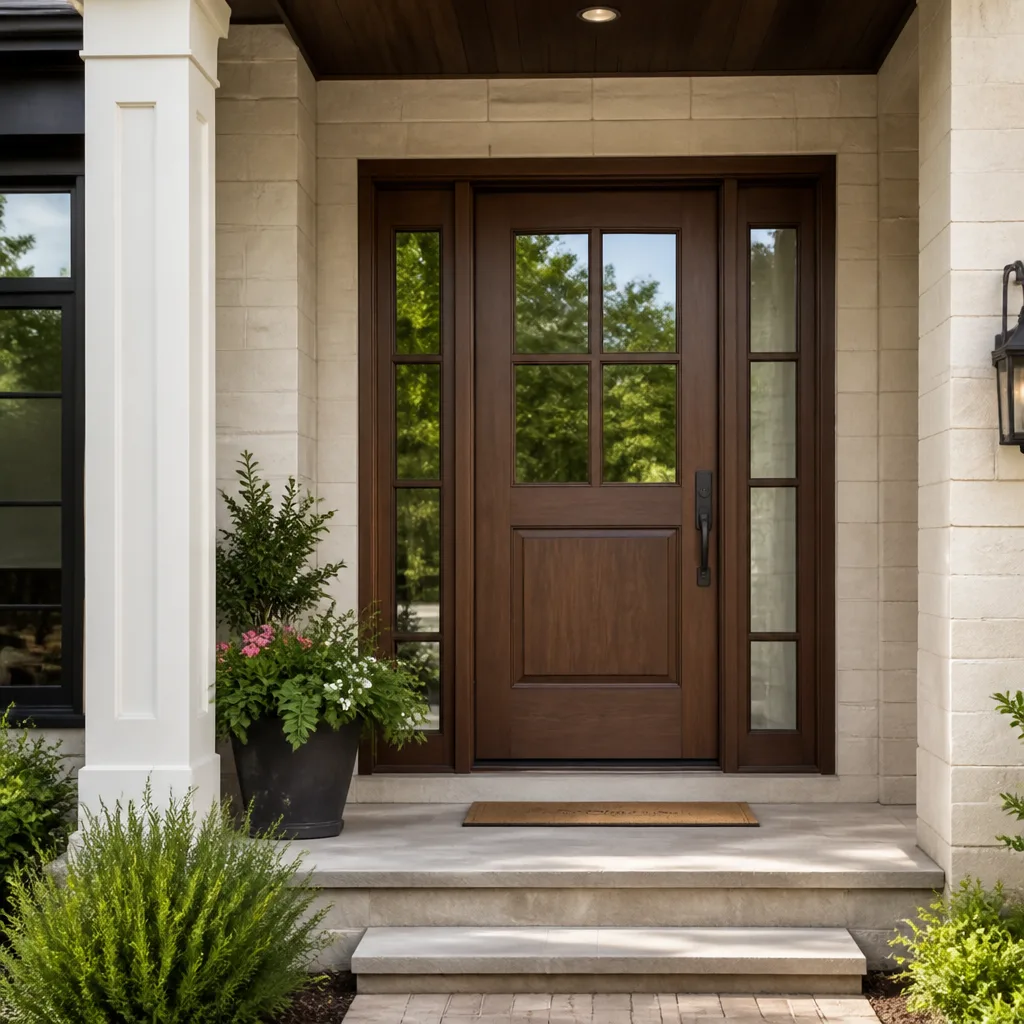 Entry doors
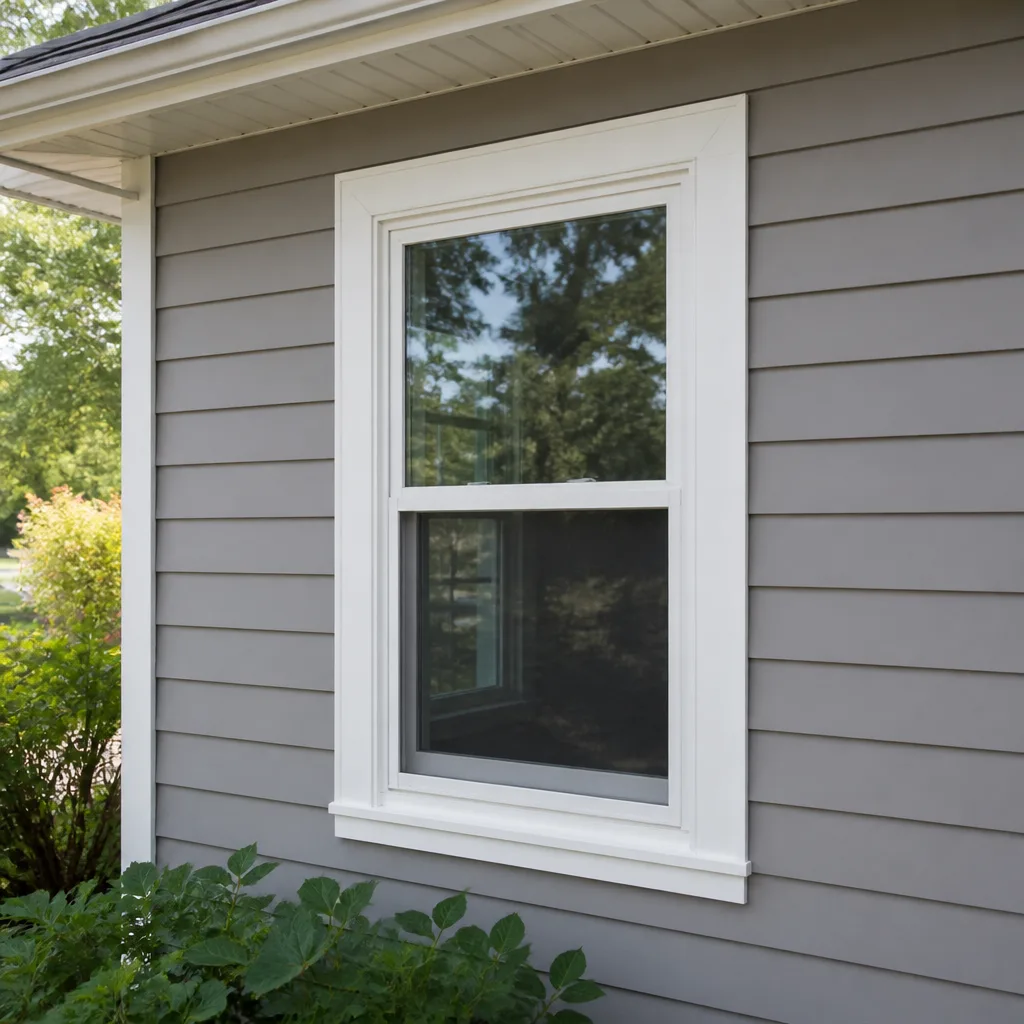 Single hung
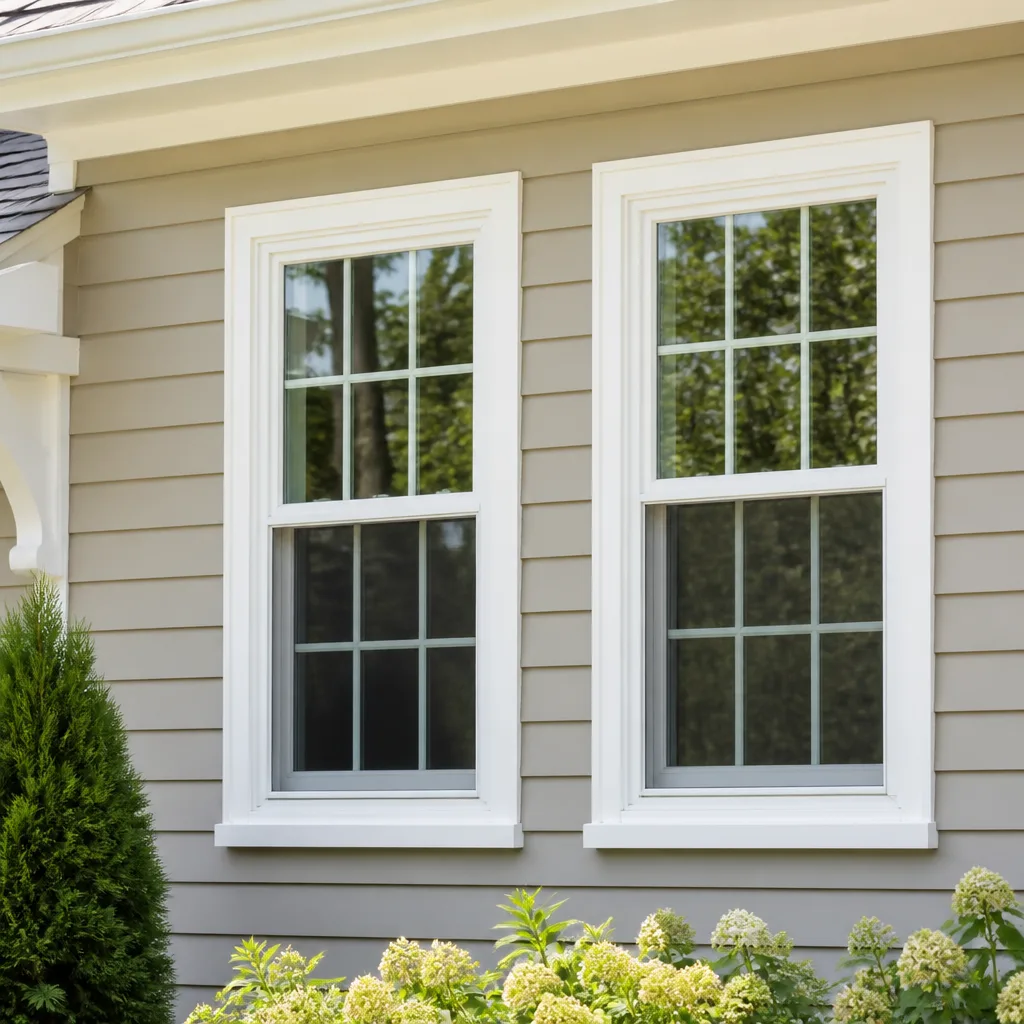 Double hung
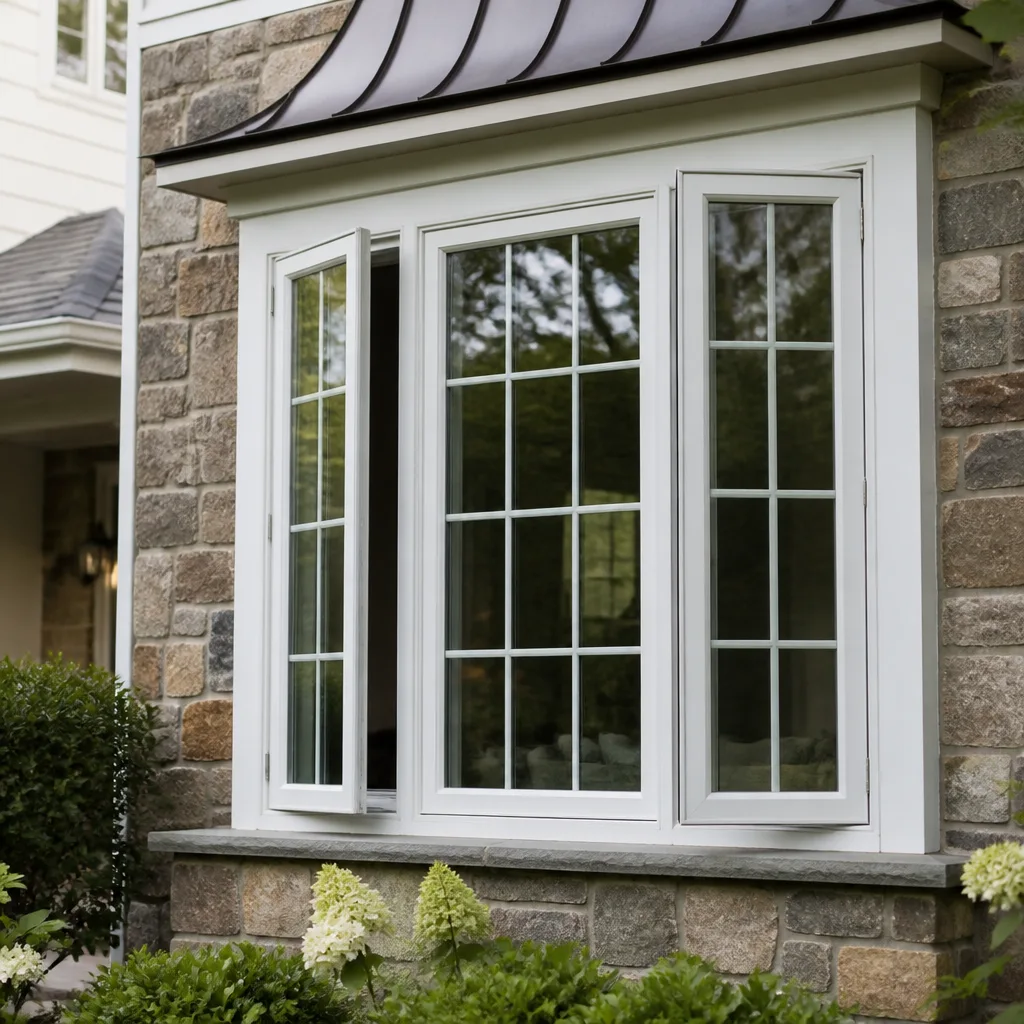 Casement
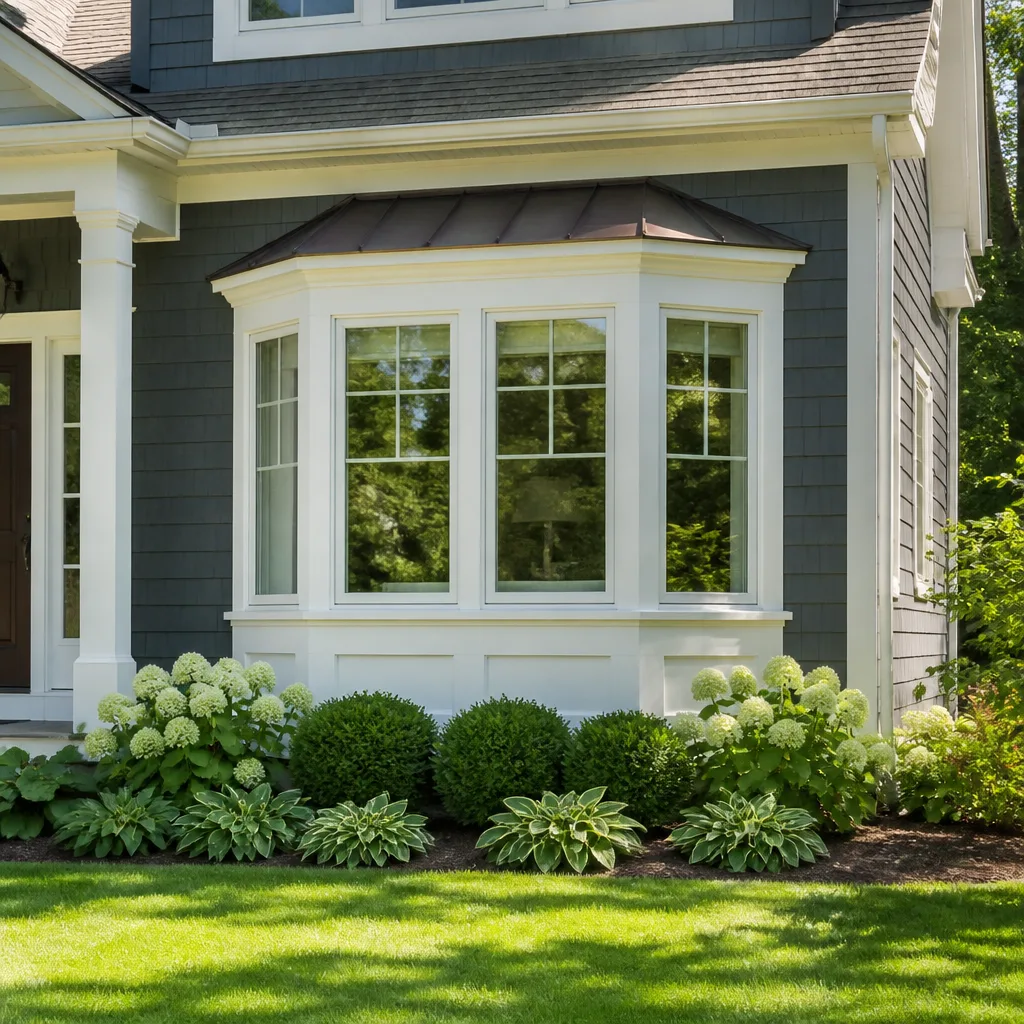 Bay & bow
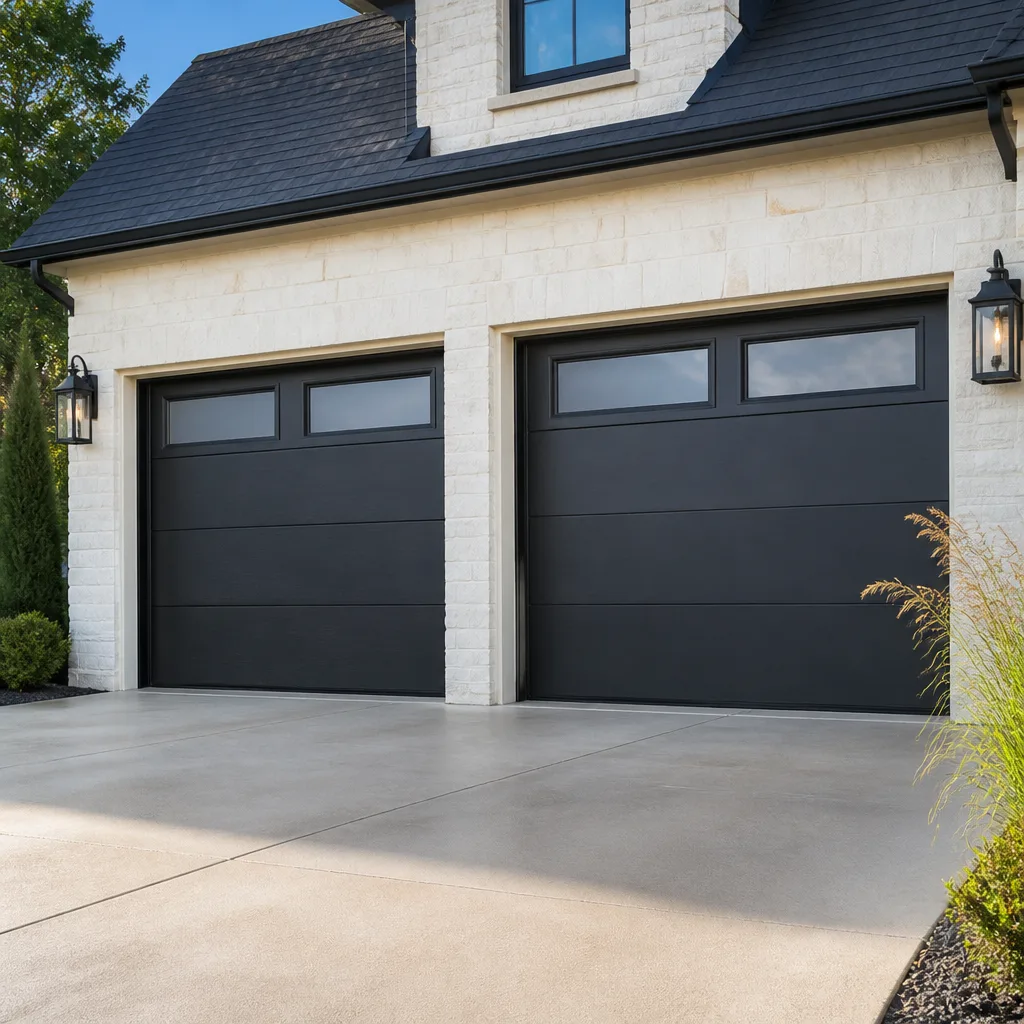 Impact garage doors
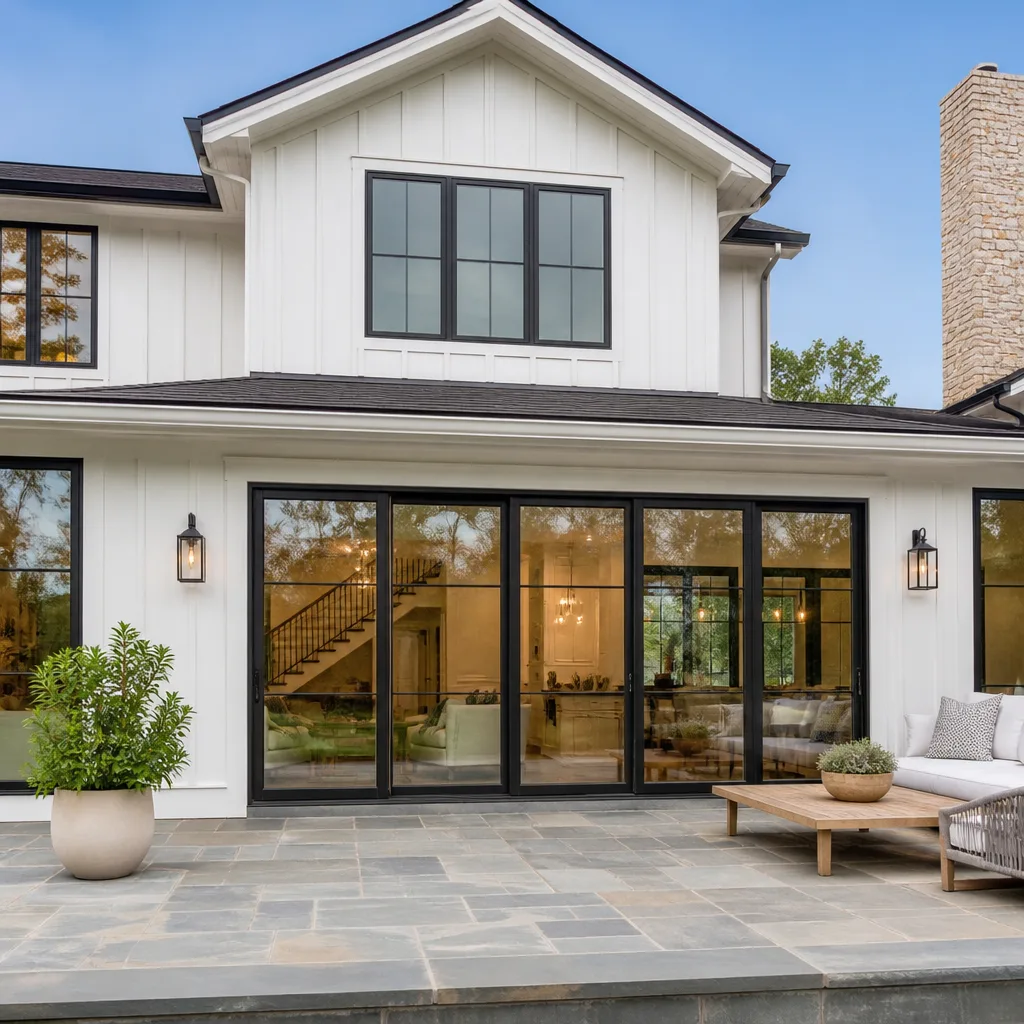 CGI
CGIFree in-home measure and quote - PGT, CGI and CWS impact lines compared on your actual openings, style by style
Get your free estimateThe Complete Guide to Windows & Doors in San Antonio
San Antonio averages 220 sunny days a year. That is more annual UV exposure than Miami, yet most window and door guides sold in this city are written for climates that get snow. The result is predictable: homeowners install products that look fine for two years, then watch frames fade, seals fail, and energy bills climb every July. This guide is written from inside San Antonio, by people who install windows and doors here. You’ll learn which materials actually survive a Bexar County summer, what the local soil does to your openings, and how to buy with a written price instead of a hopeful one. For more guides & resources on protecting your home, visit our blog.
Styles & brands we work with
Quick Answer
Windows and doors in San Antonio need three things that generic guides skip: frames that tolerate foundation movement from expansive clay soil, glass with a Solar Heat Gain Coefficient of 0.25 or lower on south- and west-facing openings, and weatherstripping that does not dry-rot under constant UV. A well-specified double-pane Low-E window replacement in San Antonio typically runs $700 to $1,400 per opening installed, depending on frame material and glass package. Most full-home projects in Bexar County take 1 to 3 days once product arrives.
Table of Contents
- Why San Antonio Soil Changes Everything About Window Frames
- Glass Packages That Make Sense for a 100-Degree Summer
- Frame Materials Compared for Bexar County Homes
- The Eight Brands We Carry and Which Fits Your Home
- What Window and Door Replacement Actually Costs in San Antonio
- What the Cedarwell Care Promise Covers Before the Crew Arrives
- Doors Deserve the Same Local Thinking as Windows
- Common Mistakes to Avoid
- When to Call a Professional
- Frequently Asked Questions
Why San Antonio Soil Changes Everything About Window Frames
The soil under most of San Antonio is expansive clay. In dry months it contracts and pulls away from slabs. In wet months it swells and pushes. Homes in Converse, Helotes, and Schertz sit on some of the most movement-prone clay in the region, and that movement does not stop at the foundation. It travels up the walls and reaches every window and door opening in the house.
When a wall settles even a quarter inch, a window frame that was square becomes slightly out of square. The result is a racked frame. A racked vinyl frame will bind at the sash, wear out the balance system early, and eventually admit air around the weatherstripping. A racked fiberglass or aluminum frame behaves differently. Fiberglass flexes and returns. Aluminum does not flex much at all, which means it resists racking but transfers stress to the glass. Wood frames, the traditional choice in older Alamo Heights and Monte Vista homes, will absorb the movement through the joints, which keeps the glass safe but requires repainting and re-caulking more often than most people expect.
This is why the “best frame material” conversation is not abstract. In San Antonio, the question is: which material tolerates the movement your specific neighborhood experiences? A home on the limestone shelf north of Loop 1604 may see almost no movement. A home in the clay belt east of I-35 may see seasonal movement every single year. The right frame choice follows from that answer, not from a brochure.
For a deeper look at how we approach frame selection on replacement projects, see our Window Replacement in San Antonio page.
Glass Packages That Make Sense for a 100-Day Summer
San Antonio cooling season runs from May through late September, and CPS Energy recommends a Solar Heat Gain Coefficient (SHGC) of 0.25 or lower for south- and west-facing windows in Bexar County. SHGC measures how much solar heat passes through the glass. A window with a 0.40 SHGC lets in nearly twice the heat of a 0.22 SHGC window on the same wall.
Here is the practical implication. A west-facing living room window with single-pane clear glass is basically a space heater from 4 p.m. to 8 p.m. every day between June and September. The air conditioner fights it. The room never feels comfortable. The sofa fabric fades. Double-pane Low-E is not an upgrade in San Antonio. It is the baseline. Anything less is a window built for a different climate.
The glass stack we recommend for most San Antonio homes looks like this:
- Outer pane: Low-E coating on the #2 surface (the inside face of the outer pane) to reject solar heat
- Argon or krypton gas fill: denser than air, slows heat transfer between panes
- Inner pane: clear or lightly tinted depending on privacy needs and exposure
- Warm-edge spacer: reduces condensation and improves edge-of-glass performance
For south-facing rooms with unobstructed sun, we look at SHGC in the 0.19 to 0.23 range. For north-facing windows, the calculation flips. You want more solar gain in winter, so SHGC around 0.30 to 0.40 is often acceptable, though the difference is smaller than most people assume because San Antonio winters are mild.
The other number that matters is U-factor, which measures heat escaping in winter. San Antonio is a cooling-dominated climate, so SHGC matters more than U-factor. A U-factor of 0.30 or lower is adequate for nearly every home in the city. Chasing a 0.20 U-factor makes sense in Minneapolis. It does not move the needle here.
Frame Materials Compared for Bexar County Homes
Here is what we tell homeowners in San Antonio when they ask about frame materials. There is no perfect material. There is the right material for the house, the direction the window faces, and the budget.
| Material | Typical Cost per Opening | Best For | Watch-Out in San Antonio |
|---|---|---|---|
| Vinyl | $400 – $800 | Budget-conscious replacements, rental properties | Dark colors absorb heat and can warp; choose light colors on west walls |
| Fiberglass | $900 – $1,500 | Historic-look homes, clay soil areas, low maintenance | Fewer color options than vinyl; longer lead times |
| Aluminum | $600 – $1,100 | Modern and mid-century homes, large openings | Conducts heat; must have a thermal break or it performs poorly |
| Wood | $1,000 – $2,000 | Historic districts like Monte Vista and King William | Needs repainting every 3 – 5 years under Texas sun |
| Composite/Wood-Clad | $1,100 – $1,800 | Homes where exterior durability and interior warmth both matter | Higher upfront cost; verify cladding warranty |
Aluminum deserves a special note. Many San Antonio homes built in the 1950s through the 1970s have original aluminum windows. New aluminum windows are not the same product. Modern thermally broken aluminum frames separate the interior and exterior metal with a non-conductive material, cutting heat transfer dramatically. If you have a mid-century house and want to keep that thin-frame look, thermally broken aluminum is the answer. If you buy cheap aluminum without the thermal break, you will regret it by August.
For homeowners weighing a full replacement versus repairs, our Window Replacement in San Antonio guide walks through the decision step by step.
The Eight Brands We Carry and Which Fits Your Home
Lightwell Windows San Antonio carries eight manufacturer brands. The reason for eight is simple: no single brand is right for every San Antonio home. A 1920s bungalow in Olmos Park needs something different from a 2005 suburban tract home in Stone Oak or a 1960s ranch in Castle Hills. The recommendation should fit the house, not the installer’s preferred vendor.
Here is how we think through the selection in practice.
PGT and CGI are impact-rated brands built for coastal storm zones. They are overkill for most San Antonio homes, but they make sense for specific situations: a homeowner who wants the strongest possible frame for a large west-facing opening, or a family that wants the added security and noise reduction that impact glass provides near a busy corridor like I-10 or Loop 410.
CWS and ES Windows serve the custom and high-end residential market. Their strength is architectural flexibility: oversized openings, slim sightlines, and custom finishes. We point homeowners toward these brands when the window is a design feature, not just a utility.
ECO Window Systems and Mr-Glass are the workhorses of the lineup. ECO Window Systems makes well-engineered impact and non-impact products at a middle price point, and they hold up well under San Antonio UV without premium pricing. Mr-Glass is a locally relevant brand for homeowners who want solid glass performance without paying for features they will never use. Both are strong choices for standard single-family homes across the city.
Therma-Tru and ViewLux are door-focused brands. Therma-Tru fiberglass entry doors handle the San Antonio sun without warping the way wood doors do. ViewLux makes full-view storm and patio doors that give you the glass you want without sacrificing the seal you need.
The point is not that one brand is “the best.” The point is that the right brand depends on your home’s era, your exposure direction, and what you are actually solving for. That is a conversation we have every week. It starts with questions about your house, not with a catalog.
What Window and Door Replacement Actually Costs in San Antonio
Here are honest price ranges for San Antonio, based on what we quote in this market. These are installed prices per opening, including labor, materials, and finishing.
- Standard double-hung vinyl replacement: $700 – $1,000 per window
- Mid-grade fiberglass or premium vinyl: $1,000 – $1,400 per window
- Custom or oversized openings with high-performance glass: $1,400 – $2,500 per window
- Entry door replacement (fiberglass or steel): $1,800 – $3,500 installed
- Patio or sliding glass door replacement: $2,500 – $5,500 installed
Full-home window replacement in a typical 2,000-square-foot San Antonio home with 12 to 15 openings usually lands between $12,000 and $22,000. Hitting the lower end of that range is not about buying cheap product. It is about replacing like-for-like with a standard frame and a sensible glass package. The upper end happens when you are moving walls, enlarging openings, or choosing custom architectural products from CWS or ES Windows.
Every price we give at Lightwell Windows San Antonio is written before work starts. No estimate delivered by text message. No “we will figure it out when we get in there.” A written line-item price is a standing rule, not a courtesy. If a contractor will not put the number on paper before the first tool comes off the truck, that is the moment to find a different contractor. Our How to Hire a Windows & Doors Contractor in San Antonio: A Step-by-Step Guide explains what else to verify before you sign.
For a full breakdown of what drives replacement cost, see our Door Installation in San Antonio page, which explains the cost variables in detail.
What the Cedarwell Care Promise Covers Before the Crew Arrives
Lightwell Windows San Antonio is part of the Cedarwell network and has operated to the Cedarwell Care Promise since 2010. The promise covers the parts of the job that matter most when the crew is in your home, not just the parts that show up in the contract.
Here is what it means in writing, before anyone arrives:
Shoe covers and drop cloths on every visit. Your floors and the path from the door to the window are protected. This is not a “tell us if you care” request. It is the default.
A photo of the clean-up before the crew leaves. We send you a picture of the finished space, swept and restored, so you know what was left behind without walking the house in suspicion.
A written price before any work starts. Every line item is on paper. You know the number before you agree to anything.
Pet-safe products wherever there is a choice. Caulks, sealants, and lubricants that are low-VOC or pet-safe are selected when available. Your dog and your toddler are part of the calculation.
The 365-Day Done Right Promise. If the finished work is not right, we make it right. No debate about timing. No countdown. The promise is stamped on every job.
The technicians who enter your home are background-checked and uniformed. You know who is at your door before they knock. And the crews follow our C.A.R.E. values on every visit:
- Clean up like it is our own home
- Ask before we move or touch anything
- Respect the family’s time and quiet hours
- Explain the price before the work
A light well is what brings daylight deep into a building. That is what a well-installed window should do for your home. The promise is how we make sure the experience matches the result.
Doors Deserve the Same Local Thinking as Windows
Most homeowners obsess over window glass and forget that doors are just as exposed to the San Antonio climate. A west-facing entry door takes direct afternoon sun at 100-plus degrees for four to five hours a day, every day, from May through September. Wood doors warp. Cheap steel doors transfer heat into the entryway. Weatherstripping dries out and cracks.
Here is what we look at on a door replacement in San Antonio:
1. Exposure direction. West-facing doors get the worst of the summer sun. Fiberglass doors from Therma-Tru handle this better than wood or uninsulated steel. If the door is recessed under a porch or shaded by a tree, material choices open up.
2. Threshold seal. The gap under a door matters as much as the door slab itself. In San Antonio, where dust and limestone grit blow constantly, a worn threshold seal lets heat and dust into the house. We check it even on a new door install.
3. Glass inserts. A door with a glass panel or sidelights is a window, and it follows the same SHGC logic as any window in the house. If the door faces west, the glass needs a Low-E coating or the entryway becomes a heat trap.
4. Hardware and frame alignment. The same clay soil that racks windows also shifts door frames. A door that was square two years ago may be out of square now. We look at the slab, the frame, and the threshold as one system.
If you are considering a full Door Installation in San Antonio, read that page for the step-by-step process.
Common Mistakes to Avoid
- Choosing windows by brand alone. A great brand with the wrong glass package is a bad window. In San Antonio, SHGC and frame material matter more than the logo on the sash.
- Ignoring the foundation report. If your home sits on expansive clay and the foundation has moved, putting a rigid window frame into a racked opening is a waste of money. Address the movement first or choose a frame that tolerates it.
- Buying single-pane or clear double-pane glass to save money. The savings evaporate in cooling costs within two or three San Antonio summers. Low-E is not an upgrade here.
- Accepting a verbal price. If the number is not on paper before work starts, you are inviting a surprise at the end. A written price is the only price that counts.
- Skipping the clean-up expectations conversation. A crew that does not use shoe covers and drop cloths will leave dust on your floors and plastic shavings in the yard. Ask before they arrive what the site protection plan is. If there is not one, there is your answer.
- Replacing windows but not the weatherstripping on doors. A house is a system. New windows will not save you money if the front door is leaking air through a dried-out threshold seal.
- Assuming all Low-E glass is the same. There are dozens of Low-E coating variations. The coating stack for a Boston home is not the right stack for a San Antonio home. Ask for the SHGC number on the specific glass you are buying.
When to Call a Professional
Some window and door work is straightforward. Replacing a latch handle or re-caulking a window that is still square is a weekend job. But when the opening itself has shifted, when the glass package is wrong for a west-facing wall, or when you are replacing multiple windows at once, call a professional. A bad install on a racked opening means air leaks, condensation, and a warranty that will not cover the frame failure. Lightwell Windows San Antonio offers free estimates in San Antonio. Call (325) 420-4173 and ask us to look at your openings before you buy anything.
Frequently Asked Questions
Standard window replacement in San Antonio runs $700 to $1,400 per opening installed, with full-home projects in a typical house landing between $12,000 and $22,000. The range depends on frame material, glass package, and whether the opening needs structural work. Call (325) 420-4173 for an exact quote. Estimates are free.
For most homes, fiberglass or premium vinyl offers the best balance of heat resistance, racking tolerance, and cost in San Antonio. Fiberglass flexes with the clay soil movement common in Bexar County, and vinyl resists UV fading when chosen in light colors. Aluminum with a thermal break is right for mid-century homes that need thin sightlines.
CPS Energy recommends a Solar Heat Gain Coefficient of 0.25 or lower for south- and west-facing windows in Bexar County. For directly west-facing rooms with no shade, look for SHGC in the 0.19 to 0.23 range. North-facing windows can tolerate a higher SHGC, around 0.30 to 0.40.
Double-pane Low-E glass is baseline in San Antonio, not an upgrade. A west-facing single-pane window acts like a space heater from 4 p.m. to 8 p.m. all summer. The Low-E coating and gas fill are what stop that heat from entering the room. Skipping them to save money costs more in cooling bills within two or three years.
A crew replacing 12 to 15 openings in a standard San Antonio home typically needs 1 to 3 days on site once the product arrives. Custom windows or architectural products from brands like CWS or ES Windows may extend the lead time before installation, but the on-site work is usually still measured in days, not weeks. Call (325) 420-4173 for a timeline on your specific home.
Permit requirements in San Antonio depend on the scope of work and whether structural changes are involved. Simple like-for-like replacements often do not require a permit, but enlarging an opening or changing a load-bearing wall does. Lightwell handles that determination as part of the estimate, and the written price includes any permit fees. Call (325) 420-4173 to discuss your specific project.
The Bottom Line
Windows and doors in San Antonio fail in predictable ways: clay soil racks frames, UV fries cheap weatherstripping, and west-facing glass turns rooms into ovens. The fix is not a national-brand brochure. It is a frame that tolerates movement, a glass package with a SHGC under 0.25 on sun-exposed walls, and a contractor who puts the price on paper before anything starts. That is the whole job. Everything else is noise. If you want an honest look at your specific openings, call Lightwell Windows San Antonio at (325) 420-4173. The estimate is free. The conversation will tell you more than any guide can.
Written by Keith Yamada, Owner at Lightwell Windows San Antonio, serving San Antonio since 2010.
See the difference
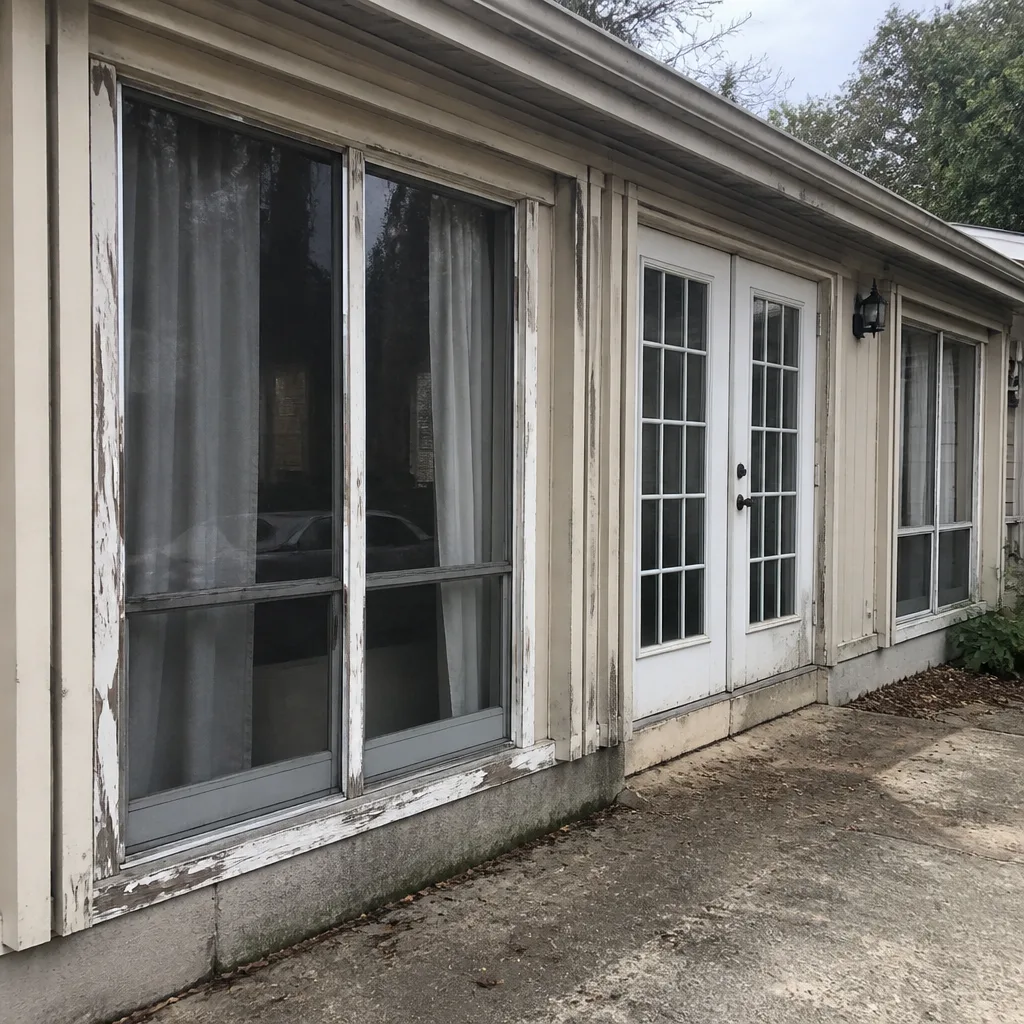 Before
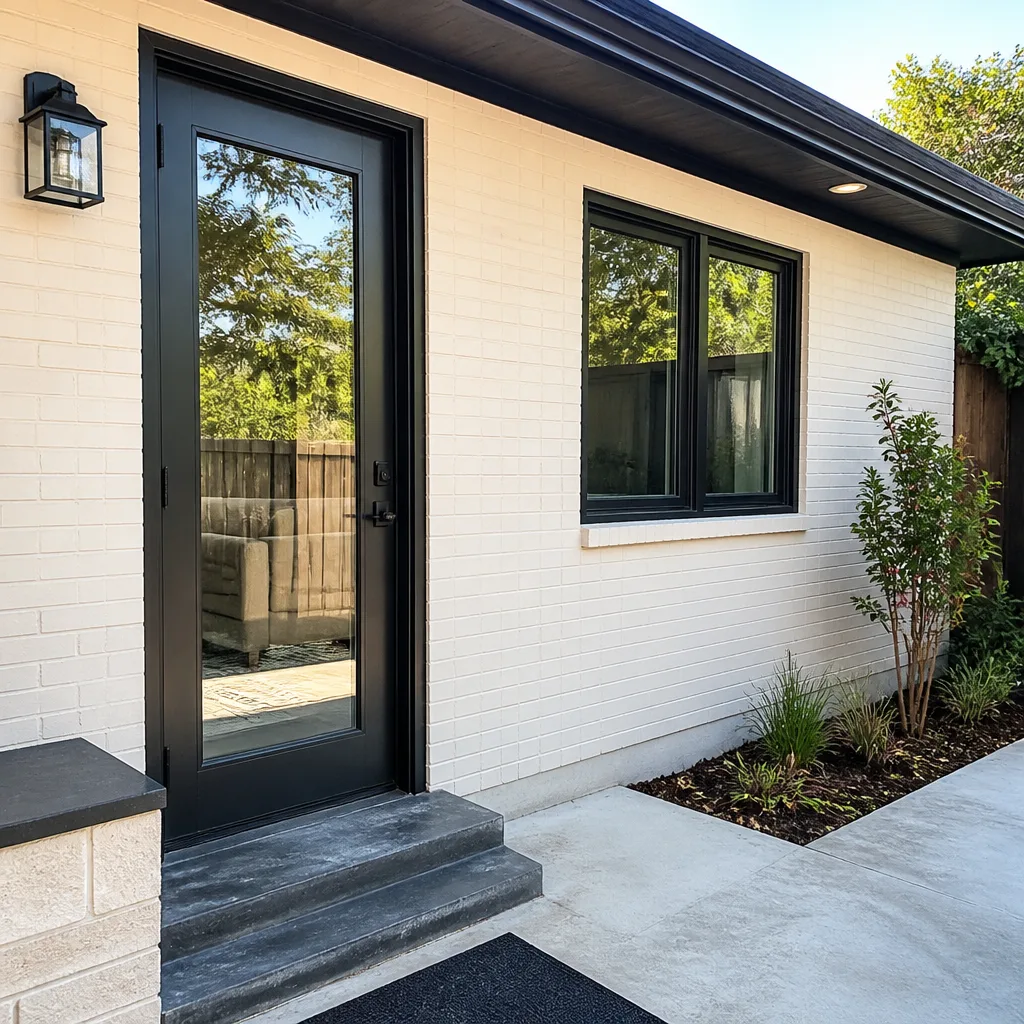 After
After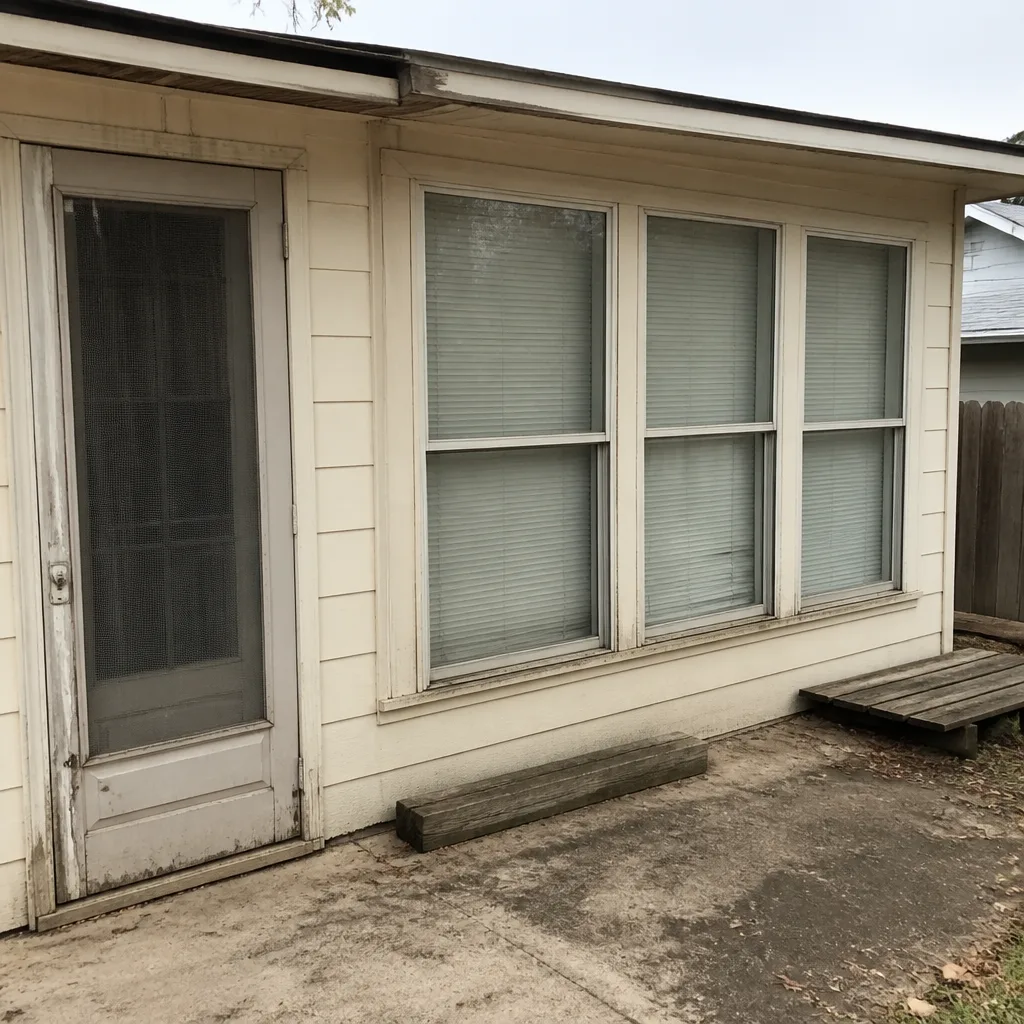 Before
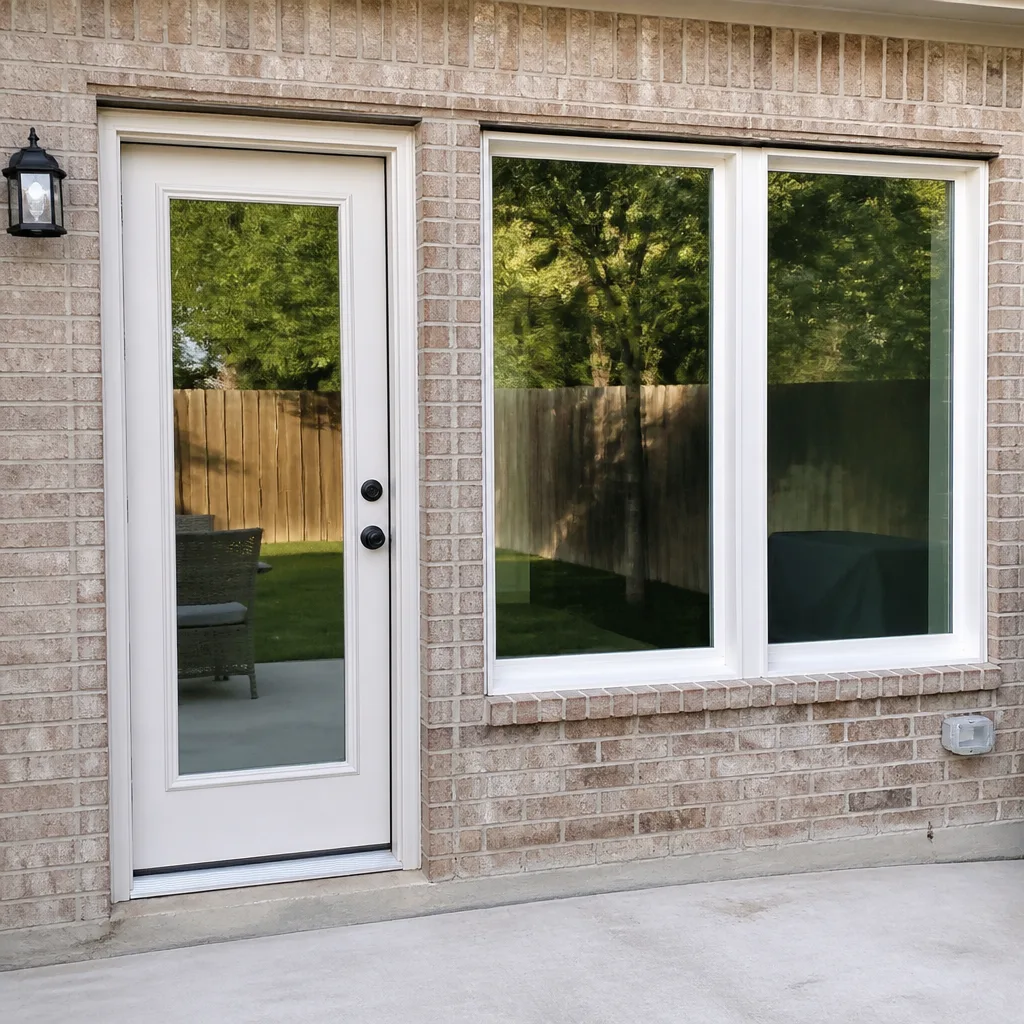 After
After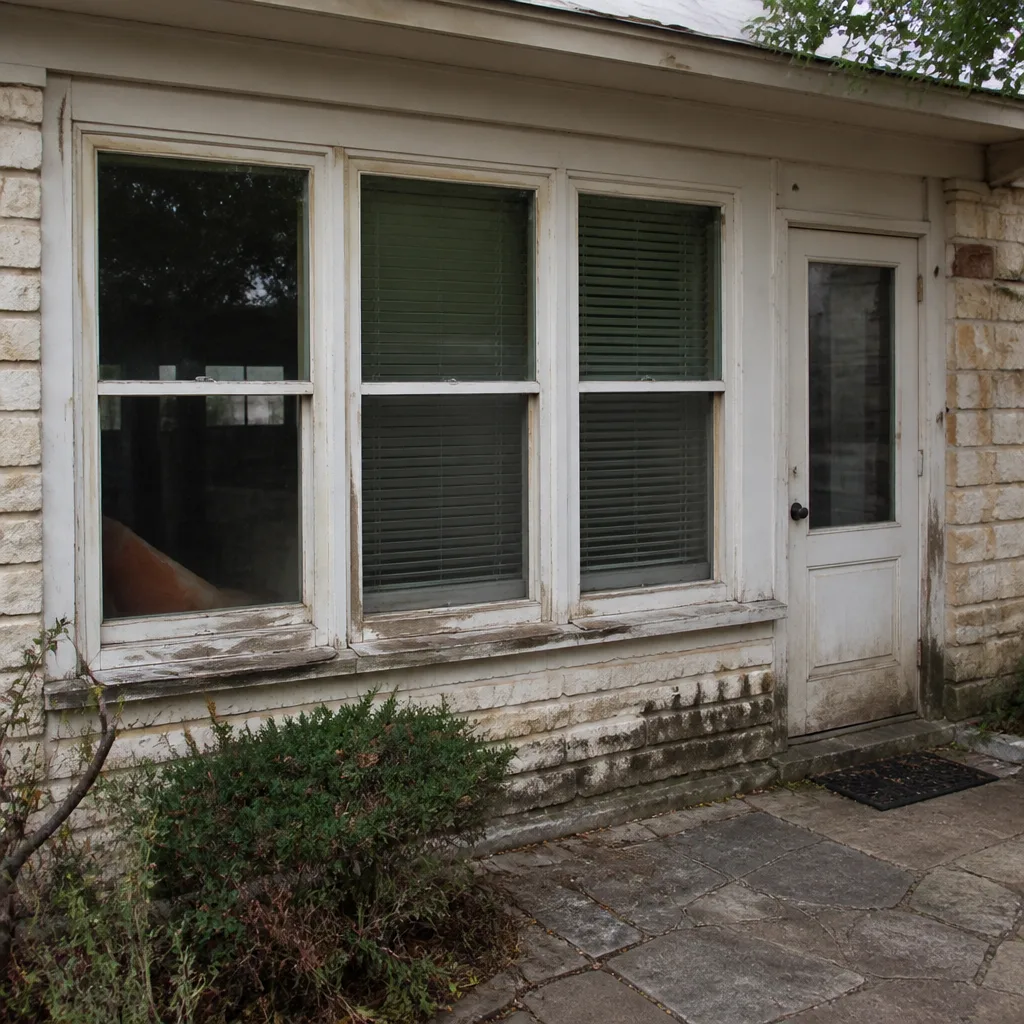 Before
 After
AfterSix Reasons Homeowners Choose Lightwell Windows San Antonio
Laminated glass and reinforced frames hold up to wind-driven rain, hail and flying debris, so your openings stay sealed when the weather turns.
Low-E insulated impact glass from our manufacturer lines commonly cuts monthly cooling bills 20-30%.
Laminated impact glass shuts out up to 40% of outside noise - traffic, neighbors, weather.
Monitoring services run $30-90 a month. Laminated impact glass resists forced entry around the clock, with no subscription.
Tighter seals and insulated glass even out hot and cold rooms and stop the drafts at the frame.
A full impact package upgrades curb appeal, buyer confidence and appraised value in one project.