
Last updated October 17, 2026
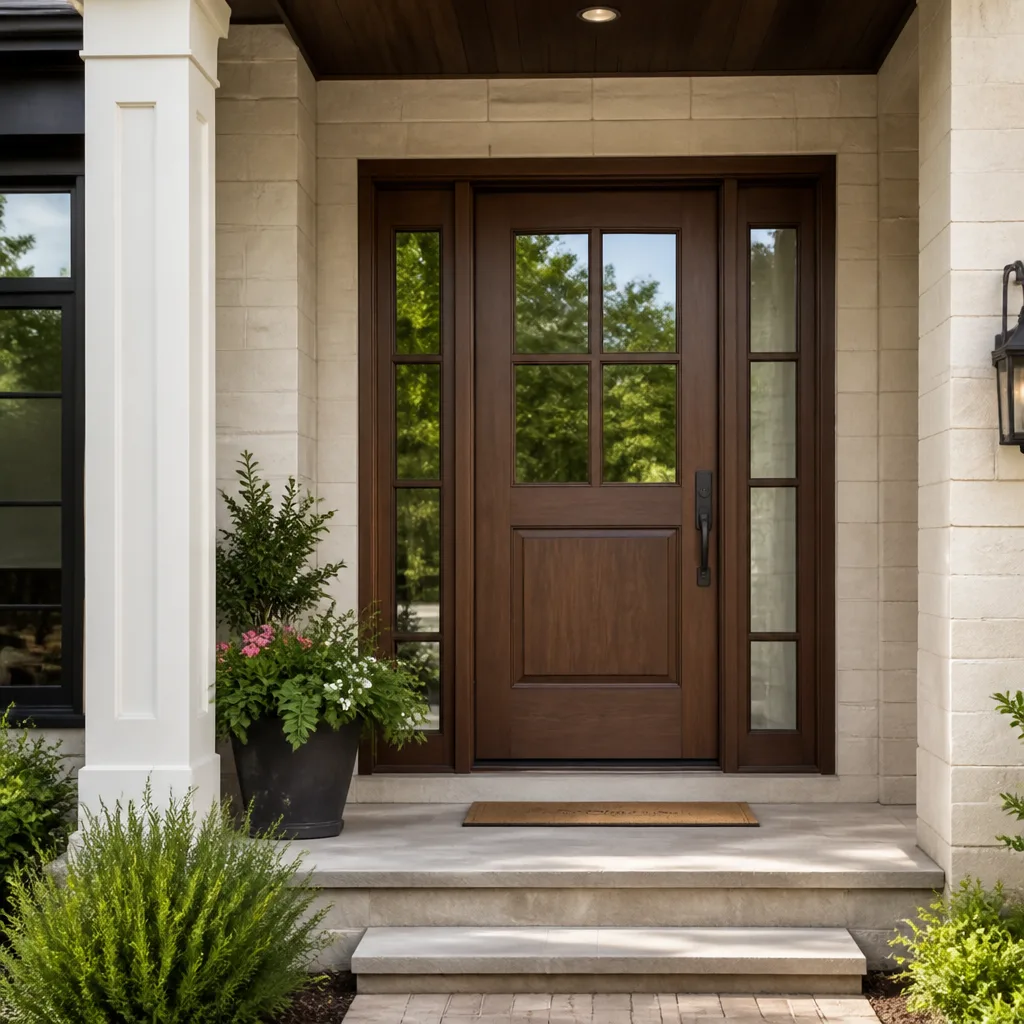 Entry doors
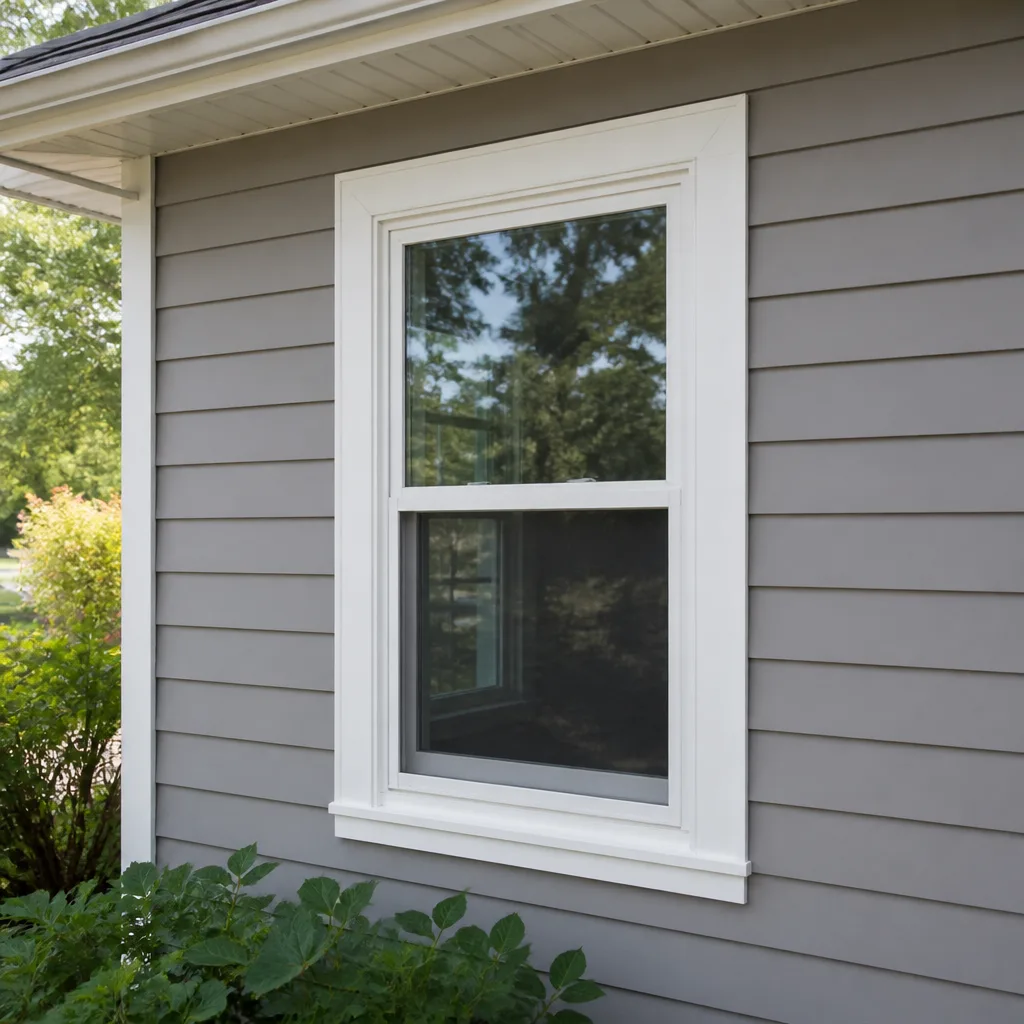 Single hung
 Double hung
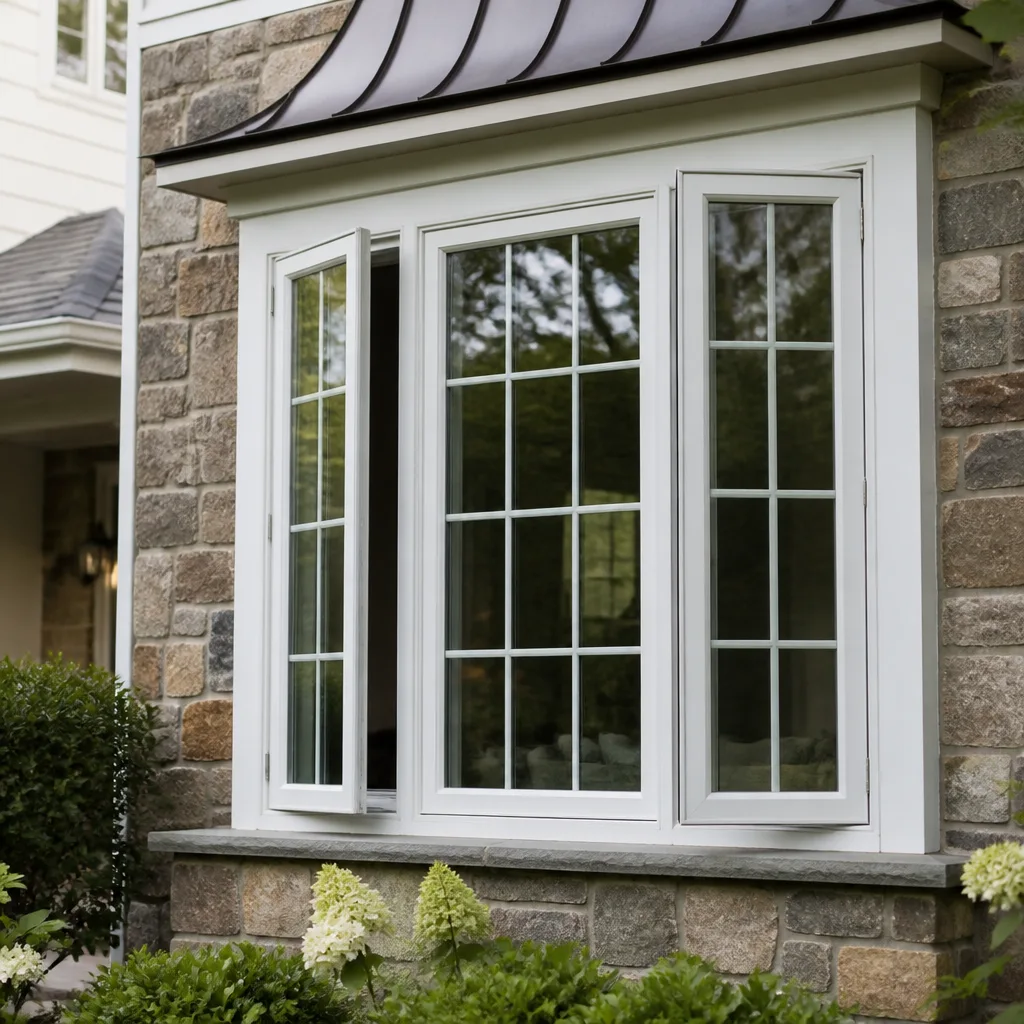 Casement
 Bay & bow
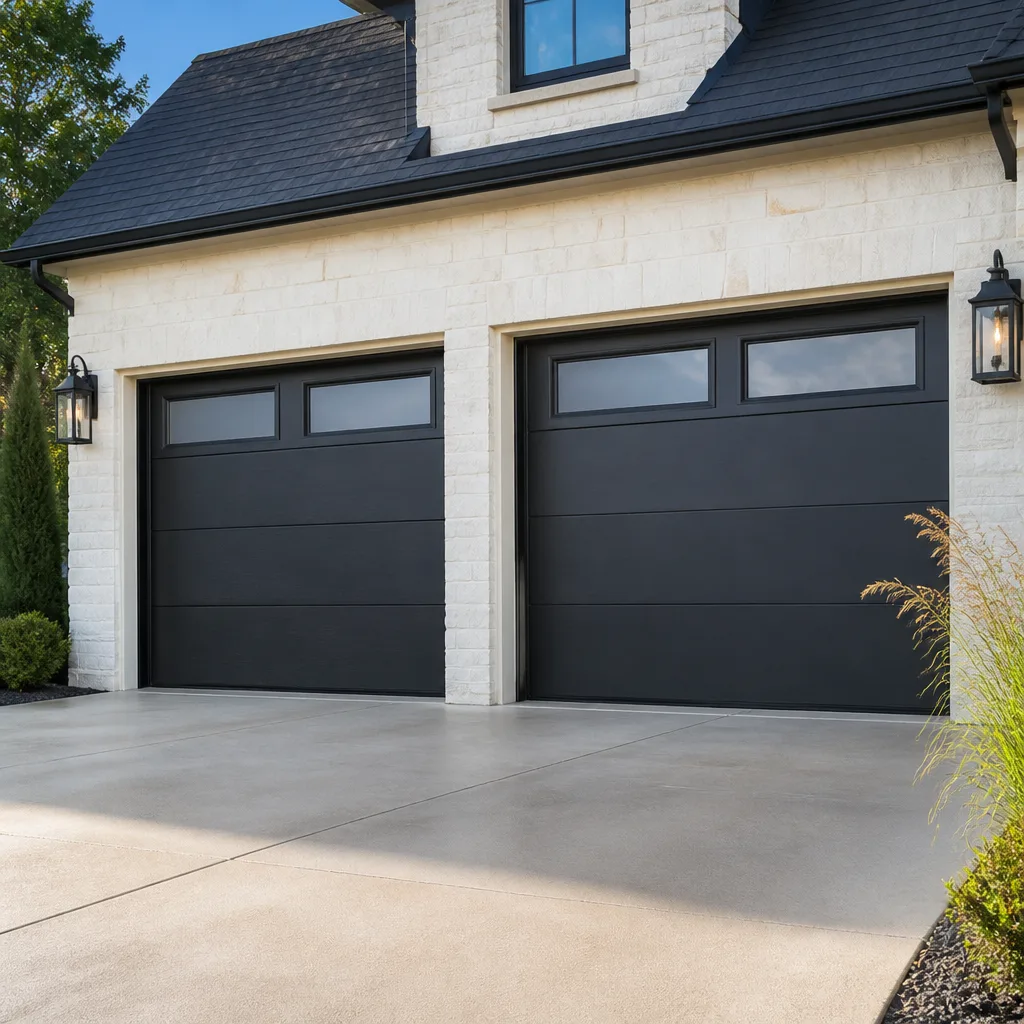 Impact garage doors
 CGI
CGIFree in-home measure and quote - PGT, CGI and CWS impact lines compared on your actual openings, style by style
Get your free estimateDIY vs Professional Windows & Doors: The San Antonio Homeowner’s Decision Guide
A homeowner who installs their own Low-E windows correctly still loses the CPS Energy rebate if the contractor on the paperwork isn’t properly registered. That’s a $400 mistake that takes ten minutes to avoid. This guide maps exactly which window and door projects carry which risks in San Antonio, so your decision rests on full information rather than YouTube confidence. You’ll learn what three tasks a capable DIYer can genuinely handle, why vinyl shimming tolerances matter in our climate, what manufacturers actually inspect when a warranty claim is filed, and what a written professional scope should include before anyone touches your home.
Quick Answer
For most window replacements and door installations in San Antonio, hiring a licensed professional is the financially safer choice. The reason isn’t skill. It’s what you put at risk: manufacturer warranty coverage, CPS Energy rebate eligibility, and permit records that surface during title searches. Three lower-stakes tasks – weatherstripping, hardware adjustment, and screen re-screening – are genuinely appropriate for careful homeowners to tackle themselves with basic tools and patience.
Styles & brands we work with
Table of Contents
- The Three Window Tasks a San Antonio DIYer Can Honestly Handle
- What DIY Actually Risks: Warranties, Rebates, and Permits
- Why San Antonio’s Climate Makes Professional Installation Different
- Vinyl Shimming Tolerances and Thermal Expansion: What Happens When They’re Missed
- CPS Energy Rebates: The Paperwork Requirement Most Homeowners Miss
- How Manufacturer Warranty Claims Actually Work After an Improper Install
- What a Professional Written Scope Should Include: The Lightwell Standard
- Cost Comparison: DIY vs Professional in San Antonio
The Three Window Tasks a San Antonio DIYer Can Honestly Handle
Let’s be direct about what DIY window work looks like when it goes well. There are exactly three window tasks we tell homeowners they can take on without risking their investment. Everything beyond these three involves structural fastening, flashing, or sealing that carries genuine risk.
1. Weatherstripping Replacement
San Antonio’s heat and humidity break down weatherstripping faster than homeowners expect. Foam and felt weatherstripping on older windows typically lasts two to four years before it compresses or crumbles. Replacing it is genuinely straightforward.
Tools you’ll need:
- Flathead screwdriver or putty knife to remove old stripping
- Rubbing alcohol and a clean rag to prep the surface
- New weatherstripping matched to your window’s channel type
- Scissors or utility knife for clean cuts
- Tape measure
In neighborhoods like Alamo Heights and Terrell Hills, where older wood-framed windows are common, we see homeowners save $150 to $400 doing this themselves across a whole house. The key is matching the stripping profile exactly. Foam tape doesn’t fit where a V-channel was, and forcing it leaves gaps that defeat the purpose.
2. Hardware Adjustment
Sagging sash windows, sticky tracks, misaligned latches. These are adjustment problems, not replacement problems, and they’re within reach for a patient homeowner.
A Phillips screwdriver, some silicone spray lubricant, and thirty minutes per window handles most cases. The trick is tightening or loosening the screws on the sash mechanism gradually, a quarter-turn at a time, then testing. In our experience serving San Antonio homes, about half of “broken” window complaints we get are actually adjustment issues that a homeowner could have resolved in an afternoon.
3. Screen Re-Screening
Texas sun destroys window screens. The fiberglass mesh gets brittle after two or three summers and tears when a kid or a dog pushes against it. Re-screening is repetitive, but simple.
You’ll need:
- New screen mesh (fiberglass or aluminum)
- Spline roller
- New spline (the rubber cord that holds mesh in the frame)
- Utility knife
- Flathead screwdriver to remove old spline
Most San Antonio hardware stores sell screen kits for $12 to $25 per window. A professional would charge $45 to $75 per screen. Across six windows, that’s meaningful savings for an afternoon of careful work.
These three tasks share something important: none of them touch the window’s structural seal, flashing, or fastening system. That’s the line between maintenance and installation, and it’s a line worth respecting. For actual window replacement in San Antonio, the risk profile changes completely.
What DIY Actually Risks: Warranties, Rebates, and Permits
Here’s the thing nobody mentions in DIY window installation videos. The physical act of setting a window isn’t the hard part. The hard part is what happens after the window is in, when something fails and you discover the paperwork wasn’t done correctly.
Manufacturer Warranties Void on Improper Installation
Every window manufacturer carries language in its warranty documentation specifying that the product must be installed according to the manufacturer’s published installation instructions. If it wasn’t, the warranty is void. Not reduced. Void.
This applies to the brands we carry, including PGT and CGI, whose impact-rated windows are engineered for specific anchoring patterns. A homeowner who installs a PGT impact window without the correct anchor count and placement has a window that may not perform in a wind event, and no warranty coverage to fall back on. The window itself wasn’t defective. The installation was. And the manufacturer won’t pay to fix an installation error.
Permit Records Surface at Title Search
San Antonio requires permits for window and door replacement when structural opening dimensions change or when the work affects exterior walls. When you sell your home, the title search includes permit history. Unpermitted work can delay closing, require retroactive permits, or in worst cases, force remediation before the sale can proceed.
A professional installer pulls permits and schedules inspections as a standard part of the job. The permit record exists, the inspection passed, and the title comes back clean. That’s not a small thing in a San Antonio real estate market where buyers are scrutinizing details more closely than they did ten years ago.
Rebates Require Registered Contractors
CPS Energy’s rebate program for energy-efficient windows is genuinely valuable, up to hundreds of dollars per opening. And here’s the specific detail we’ll cover more below: the rebate requires a contractor registration number on the application. A homeowner who installs their own windows, even correctly, cannot claim the rebate because they don’t hold that registration. The installation quality doesn’t matter to CPS Energy. The paperwork does.
This is the Lightwell Windows San Antonio home perspective on why professional installation is the default choice: it’s not that DIYers lack competence. It’s that the system of warranties, permits, and rebates is built around professional installation, and the cost of navigating it wrong exceeds the labor savings.
Why San Antonio’s Climate Makes Professional Installation Different
San Antonio sits in a climate zone that punishes sloppy window installation more aggressively than a milder market would. We’re not Seattle. We’re not San Diego. We’re a city where summer temperatures routinely exceed 100°F, winter nights drop below freezing, and the humidity swings from desert-dry to subtropical within a single season-exactly why seasonal windows & doors care matters here.
Thermal Expansion Is Real and It’s Bigger Here
Vinyl window frames expand and contract with temperature changes. This is physics, not product quality. The coefficient of thermal expansion for vinyl is roughly 2.0 to 3.2 x 10^-5 in/in/°F. Across a 60-inch window frame, the difference between a 105°F summer afternoon and a 30°F winter night means the frame moves by about 1/8 of an inch.
That movement is normal. The installation has to accommodate it. Professionals allow for this by leaving specific shimming tolerances and using fasteners that permit thermal movement without compromising the seal. A DIYer who snug-fits a window on a hot day may discover that the frame binds or the seal fails when the first cold front pushes through in December.
But Wait, Does the Vinyl Window Really Move 1/8 Inch? A Sanity Check
Yes, and it’s worth walking through the math so this doesn’t sound like contractor folklore. The linear coefficient of thermal expansion for vinyl is commonly quoted around 2.7 x 10^-5 inches per inch per degree Fahrenheit. Over 60 inches, that’s 60 multiplied by 2.7 x 10^-5, which equals 0.00162 inches of movement per degree Fahrenheit. Multiply that by a realistic San Antonio swing of 75°F between a brutal summer afternoon (105°F) and a hard winter freeze (30°F), and you get 0.1215 inches, just under 1/8 of an inch. The frame grows and shrinks by that amount seasonally. If the installer shimmed the window tight on the hottest day of the year, the winter contraction is pulling against a frame that has nowhere to go. That’s not theoretical. That’s why we see seal failures cluster in windows installed in August.
Humidity and Seal Failure
San Antonio’s humidity means seal failure isn’t cosmetic. A failed seal lets moisture into the space between panes, which fogs the glass permanently. But it also lets humid air work its way into the wall cavity around the window, where it feeds mold and rot behind the drywall. Professional installation includes flashing and sealing details that route water away from the opening. Those details are where most DIY installations go wrong – the window looks right from the outside, but the water management behind it isn’t there.
Vinyl Shimming Tolerances and Thermal Expansion: What Happens When They’re Missed
Let’s get specific about shimming, because this is where we see the most expensive DIY mistakes in San Antonio homes.
When a vinyl window is set into an opening, it isn’t just screwed in place. It’s shimmed at specific points to ensure the frame is square, level, and plumb. The shims carry the window’s weight and transfer structural loads to the rough opening. They also create the space that allows the frame to expand and contract without binding.
Here’s what professional installation does that DIY installation often misses:
- Shim placement follows manufacturer diagrams. Each brand specifies where shims go, typically at corners, mid-span points, and behind hinge or lock hardware. The spacing isn’t arbitrary. It distributes load so the frame doesn’t warp.
- Gap allowance accounts for thermal movement. The gap between the window frame and the rough opening is typically 1/4 to 1/2 inch on each side. This gap isn’t sloppiness. It’s intentional space that lets the frame move seasonally without pressing against the surrounding structure.
- Fasteners allow movement. The screws or nails that secure the window are placed through designated slots or use flexible anchors. If the frame is rigidly fastened in a way that prevents expansion, the frame itself becomes the stress point.
What actually happens when those tolerances are missed? Within one or two seasons, you’ll see one of three failures: a cracked frame corner where expansion pressure concentrated, a broken seal that fogs the glass, or a window that binds and won’t open smoothly. The fix for any of these is removal and reinstallation, which costs more than hiring a professional the first time.
For window installation in San Antonio, this shimming expertise is the difference between a window that lasts three years and one that lasts thirty. Brands like ViewLux and CWS publish detailed installation guides, but those guides assume the installer understands the engineering behind them. A homeowner following along at home can miss the why behind the what, and the why is where the failures happen.
CPS Energy Rebates: The Paperwork Requirement Most Homeowners Miss
CPS Energy offers rebates for energy-efficient window and door replacements in San Antonio. The program details change periodically, but one requirement has remained consistent: the rebate application must include a contractor registration number from a business that meets CPS Energy’s qualifying criteria.
A direct answer to a common question: No, you cannot claim the CPS Energy window rebate as a self-installing homeowner. The program’s structure assumes professional installation, and there’s no DIY application path. If you install your own windows, you forfeit the rebate, full stop.
What the rebate requires in practice:
- Receipts from a qualified contractor for both product and installation
- The contractor’s CPS Energy registration number on the application
- Product documentation showing the window meets the program’s efficiency threshold
- Installation verification in some cases, which means a CPS Energy inspection or contractor certification
The rebate amount varies by product and program year, but it commonly ranges from $2 to $5 per square foot of window area for qualifying products. On a 2,000 square foot home replacing windows on a typical four-bedroom layout, that’s $300 to $600 in rebate value. It’s real money. And it’s money that a DIY installation automatically forfeits.
This is one of those San Antonio-specific details that changes the math on DIY versus professional. A homeowner who figures they’ll save $2,000 on labor by installing their own windows needs to subtract the forfeited rebate, plus the value of the warranty they’ve voided, plus the permit risk they’ve taken on. The savings shrink quickly.
How Manufacturer Warranty Claims Actually Work After an Improper Install
Let’s walk through what actually happens when a window fails and a warranty claim is filed. We’ve seen this process enough times in San Antonio to describe it accurately, and it’s not what most homeowners imagine.
Here’s the sequence:
- You file a claim. The window has a cracked frame, a broken seal, or failed hardware. You call or submit online. The manufacturer opens a claim file and asks for your purchase documentation and installation details.
- The manufacturer requests installation information. Here’s where it gets specific. The claim form asks who installed the product and whether installation followed the manufacturer’s published instructions. If you, the homeowner, installed it, you’ll be asked to describe your installation process. The manufacturer’s technical team reads that description against their installation manual.
- An inspection may be scheduled. For larger claims, the manufacturer sends a field service representative or hires a local inspector. That inspector’s job is to determine whether the failure originated in the product or the installation. They look at shim placement, fastener patterns, flashing, sealant application, and frame alignment.
- The determination lands. If the inspector finds the installation deviated from the manufacturer’s instructions, the claim is denied on the basis of improper installation. Not because the product was defective, but because the installation does not meet the standard that the warranty was contingent on.
This isn’t manufacturers being difficult. It’s that the warranty covers manufacturing defects, not installation errors. The same process applies to every brand we carry, from PGT to CGI to ViewLux. The product is warranted, but only when it was installed according to the engineering that went into it.
The practical takeaway: a professional installer’s workmanship warranty covers installation errors. A DIY installation has no equivalent backstop. When the window fails and the manufacturer denies the claim because of installation issues, the homeowner eats the full replacement cost. That’s a hard lesson we’d rather you never learn firsthand.
What a Professional Written Scope Should Include: The Lightwell Standard
If you’re hiring out, you deserve to know exactly what professional accountability looks like before the first phone call ends. A written scope is the document that protects you from the invoice surprises this city’s homeowners have learned to dread. Here’s what we include at Lightwell Windows San Antonio, and what you should expect from any contractor you’re considering.
The Scope, Line by Line
- Product specification. Exact brand, model, size, glass package, and color for every opening. Not “replacement window” but “ViewLux 4000 series, 36×60, Low-E 366, white interior, tan exterior.”
- Labor breakdown. What the crew will do for every opening: removal, disposal, preparation, installation, trim work, and interior finish. Each line has a price attached.
- Interior protection plan. Where drop cloths go, how floors are protected, shoe covers on every visit. In our case, the C.A.R.E. values govern this: Clean up like it is our own home, Ask before we move or touch anything, Respect the family’s time and quiet hours, Explain the price before the work.
- Cleanup details. A photo of the clean-up before the crew leaves, with the home returned to a living condition, not a construction site. For families with kids and pets in Alamo Ranch or Stone Oak, this is the difference between a tolerable project and a miserable one.
- Permit and inspection notes. Which permits are being pulled, when the inspections are scheduled, and who’s responsible if something needs correction.
- Warranty terms in plain language. What’s covered, for how long, and what the 365-Day Done Right Promise means for your specific job: if the finished work is not right, Lightwell makes it right, no debate, no countdown.
- Payment schedule. When money changes hands and under what conditions. No payment before work starts, with the balance due only after the final walkthrough.
Before any work starts at your home, every one of these items should be in writing. Not verbally promised, not implied. Written. That’s the no-hassle upfront pricing rule Keith Yamada has operated under since joining the Cedarwell network in 2010, and it exists because San Antonio homeowners have been handed enough surprise invoices to be skeptical of anything less.
For door installation in San Antonio, the same written scope applies: product, labor, protection plan, cleanup promise, permit notes, warranty language, payment schedule. A front door is a security and weather barrier, and the accountability standard shouldn’t be lower than it is for windows.
Cost Comparison: DIY vs Professional in San Antonio
Numbers matter when you’re making this decision. Here’s the honest math for a typical San Antonio single-family home replacing eight windows and one front door.
Window Replacement: Per-Opening Costs
| Approach | Material Cost per Opening | Total for 8 Openings | Notes |
|---|---|---|---|
| DIY, mid-grade vinyl | $180 – $320 | $1,440 – $2,560 | No rebate eligibility, no workmanship warranty, permit risk |
| Professional, mid-grade vinyl | $450 – $900 (installed) | $3,600 – $7,200 | Includes labor, permit, warranty, rebate paperwork |
| Professional, premium (PGT, CGI, ViewLux) | $750 – $1,500 (installed) | $6,000 – $12,000 | Impact-rated options, best long-term value in Texas climate |
The upfront DIY savings look substantial, around $2,000 to $4,600 on the window portion. But here’s what that number doesn’t include:
- Forfeited CPS Energy rebate, typically $300 to $600 for eight qualifying windows
- Zero warranty coverage on installation workmanship
- Potential permit complications at resale
- The cost of correcting any installation errors, which typically requires full removal and reinstallation at $500 to $1,000 per window
One mis-shimmed window that needs professional correction wipes out the savings on the entire project. That’s the math the YouTube tutorials don’t show.
Door Installation: Per-Door Costs
Entry door installation runs $800 to $2,500 installed in San Antonio, depending on whether it’s a pre-hung standard door or a custom unit with sidelights. DIY material costs run $400 to $1,200, but the margin of error on exterior doors is unforgiving: a door that doesn’t seal properly against San Antonio heat costs you in energy bills every month, and a door that doesn’t latch securely because the strike plate is misaligned is a security risk that no tutorial can fix from a video.
We believe most San Antonio homeowners should DIY the three maintenance tasks, hire professionals for installations, and use the savings from smart decisions on weatherstripping and screens to fund the professional installation where it actually matters. For more guides & resources on making these decisions, explore our blog. That’s the balanced approach, and it’s the one we’d give our own neighbors.
Common Mistakes to Avoid
- Assuming the CPS Energy rebate works for self-installs. It doesn’t. The application requires a registered contractor’s number, and no contractor will risk their registration signing off on work they didn’t perform. You forfeit the rebate the moment you pick up the drill yourself.
- Installing vinyl windows tight against the rough opening. We covered the thermal expansion math above. A tight fit in August becomes a stressed frame by December. San Antonio’s temperature swings demand gap allowances that feel wrong to a first-time installer.
- Using the wrong flashing sequence. Flashing isn’t caulk and hope. Windows and doors need integrated flashing layered so that water drains down and out, not into the wall cavity. We see failed DIY flashing reveal itself six months later as a water stain on interior drywall below the window.
- Skipping the permit on a structural opening change. If you’re enlarging an opening or cutting a new one, a permit is not optional in San Antonio. Unpermitted structural work is the kind of thing that surfaces at title search and scares off buyers or forces a retroactive permit at a higher cost.
- Assuming product warranties cover everything. Manufacturer warranties cover product defects, not installation errors. If you install it yourself and it fails because of installation, the manufacturer’s inspection will find the installation defect and deny the claim.
- Buying windows without confirming San Antonio code compliance. Wind load requirements in our area are specific. A window rated for a milder climate may not meet the structural load requirements for Bexar County. Professional installers pull a permit specifically so that compliance is verified, not assumed.
See the difference
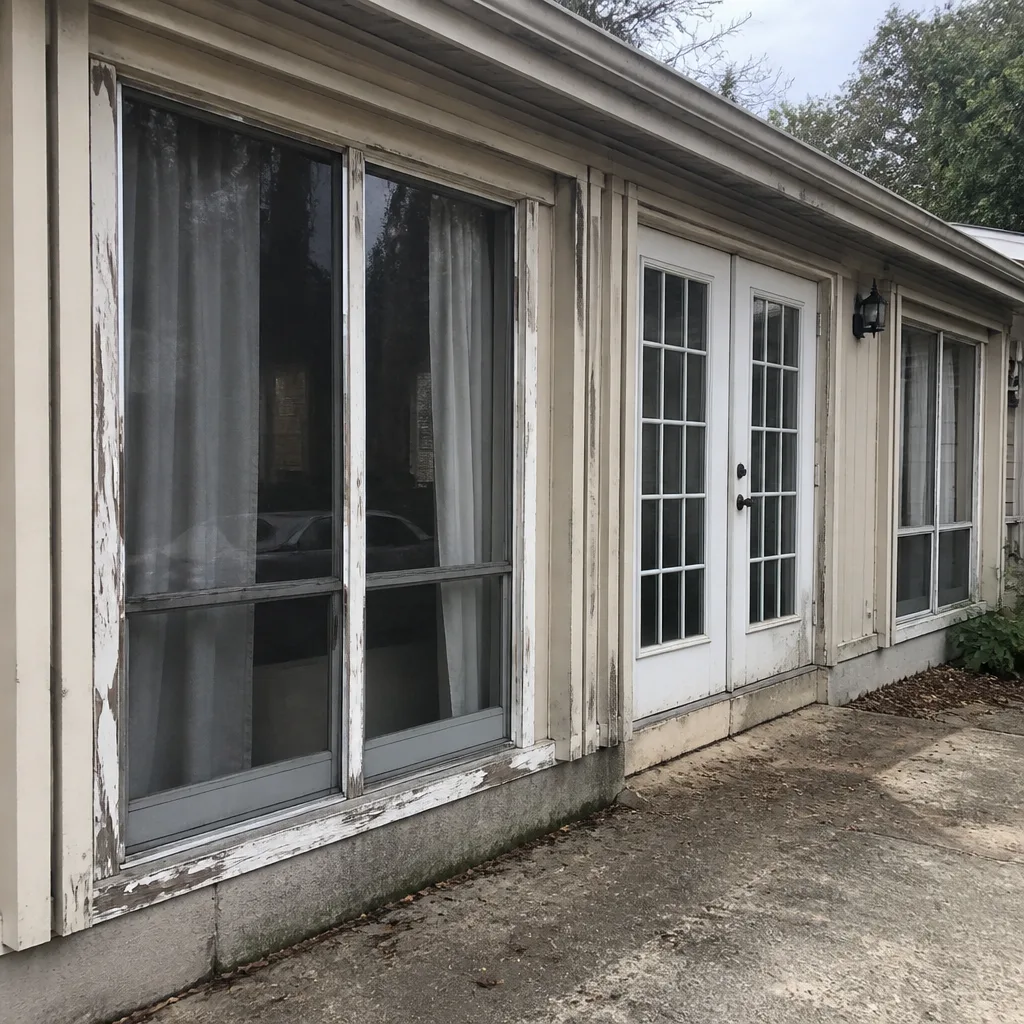 Before
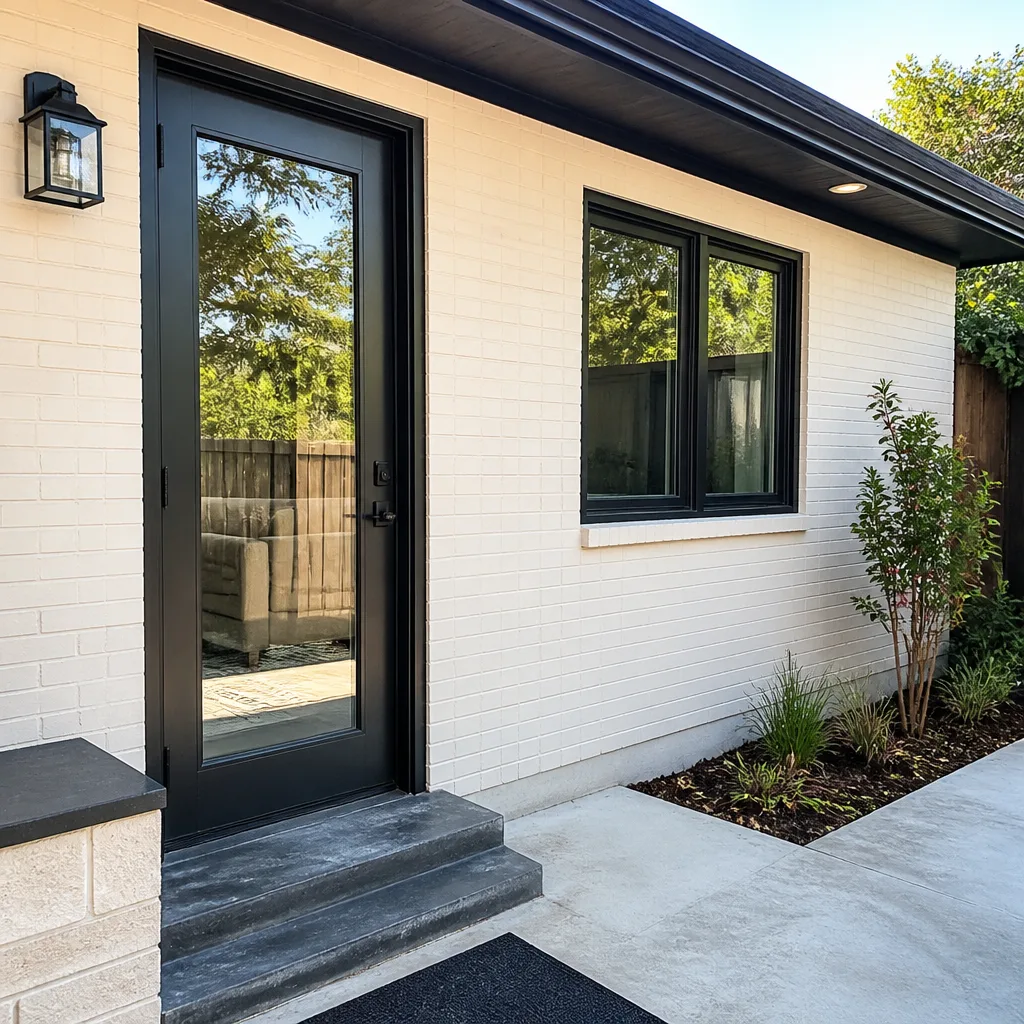 After
After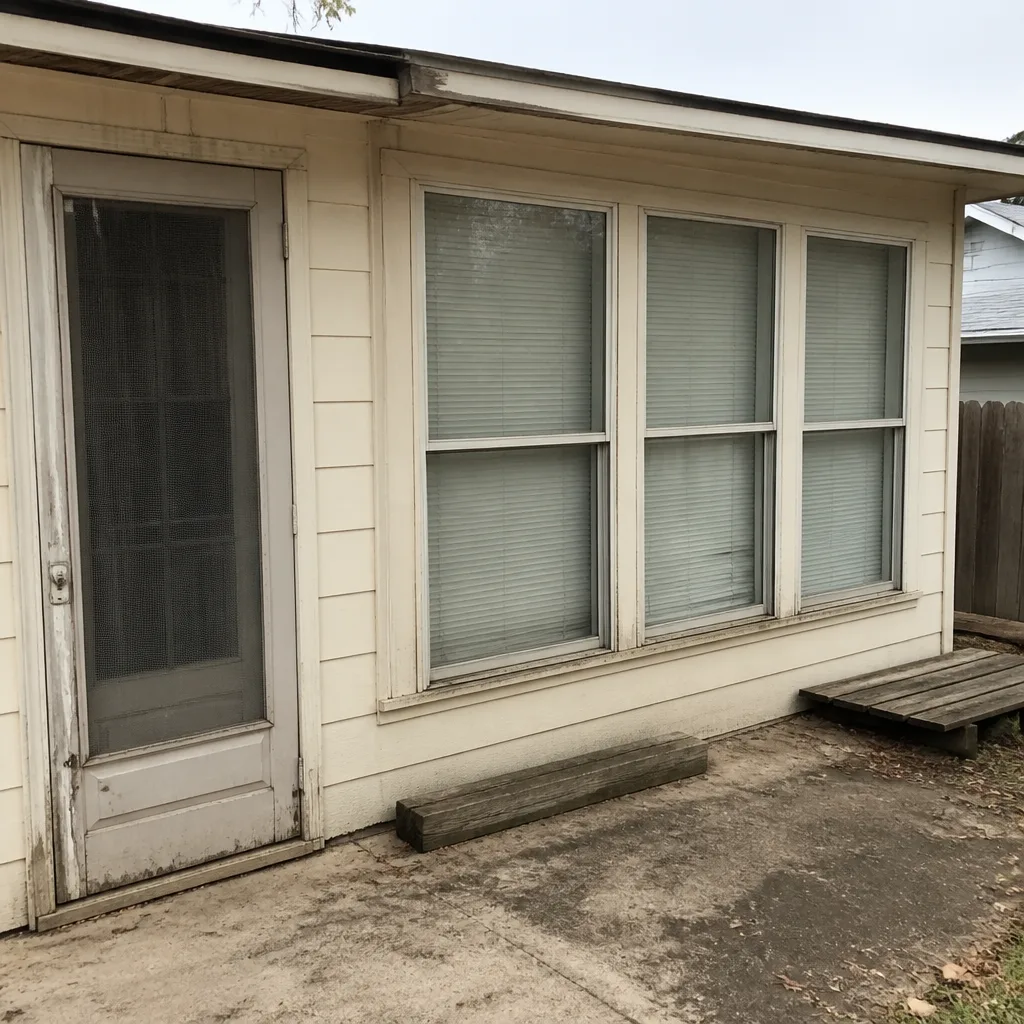 Before
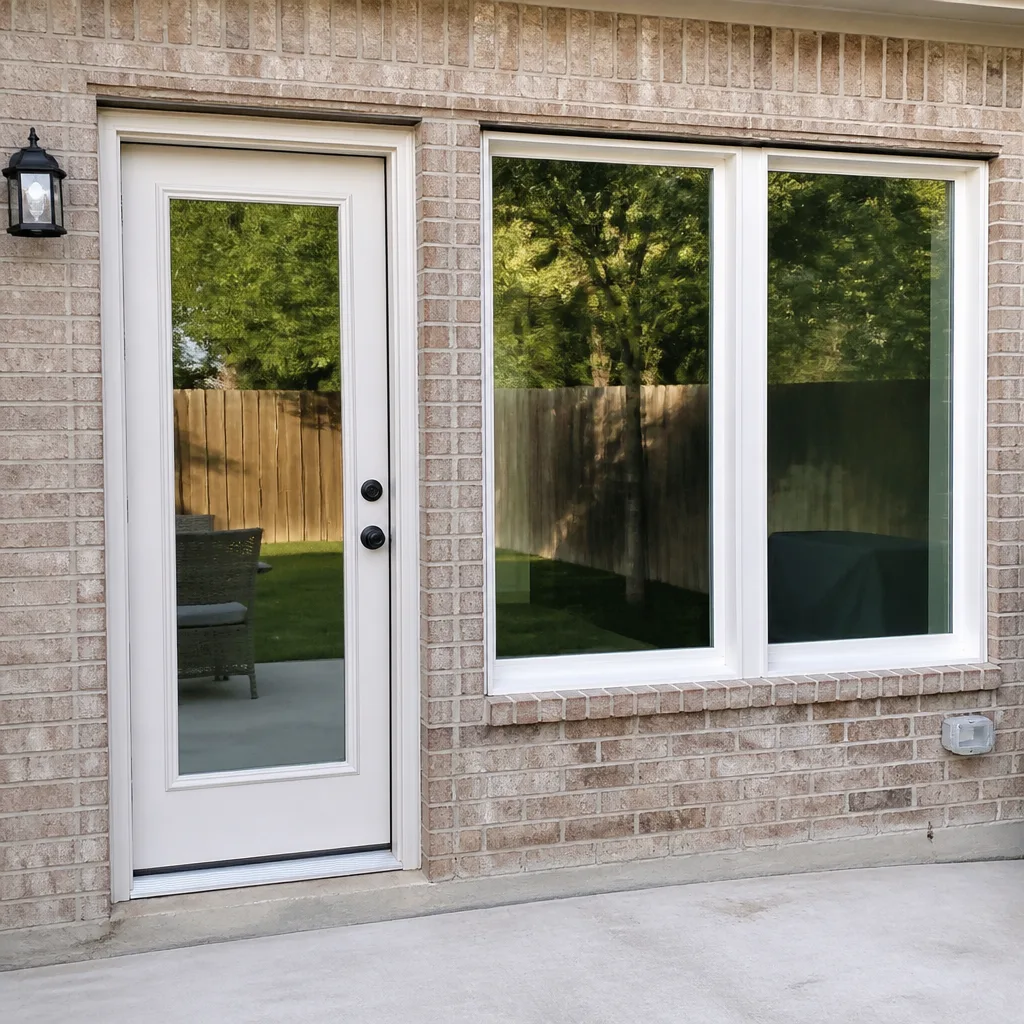 After
After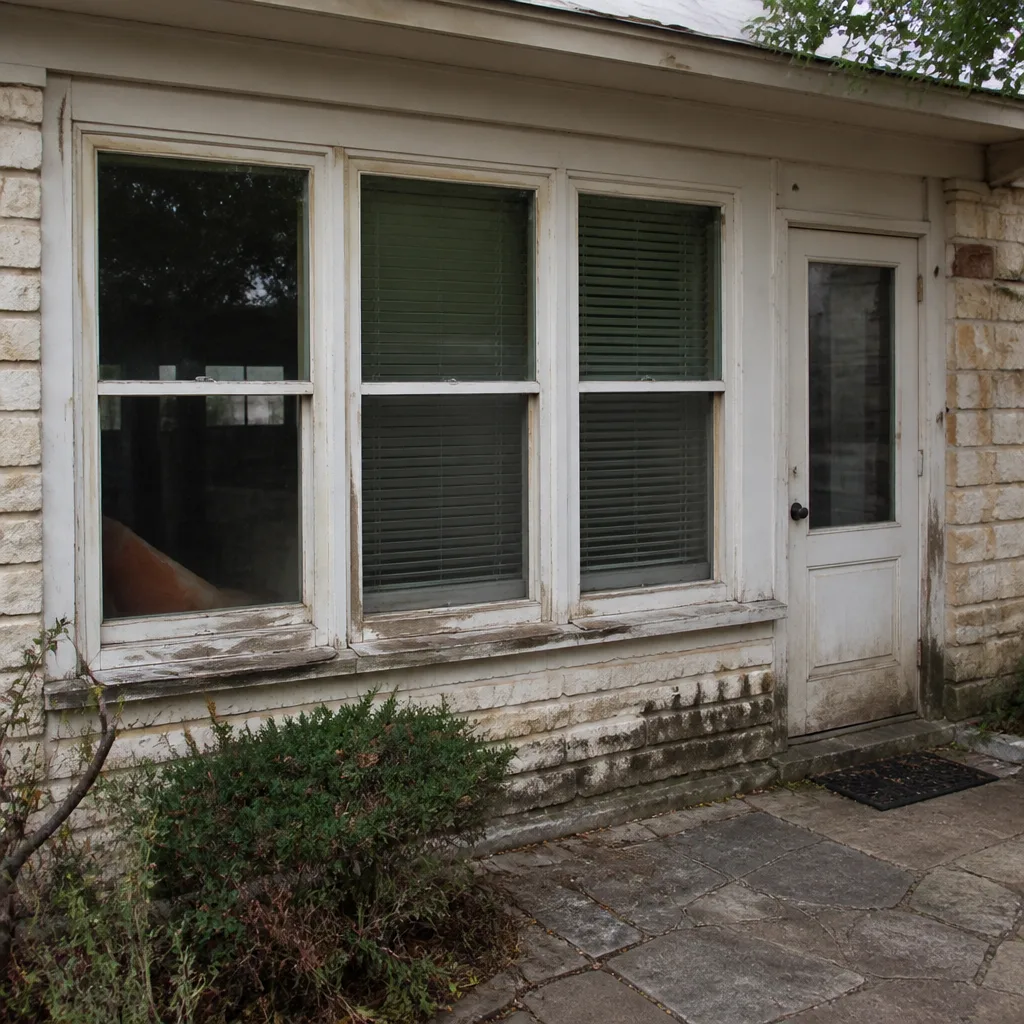 Before
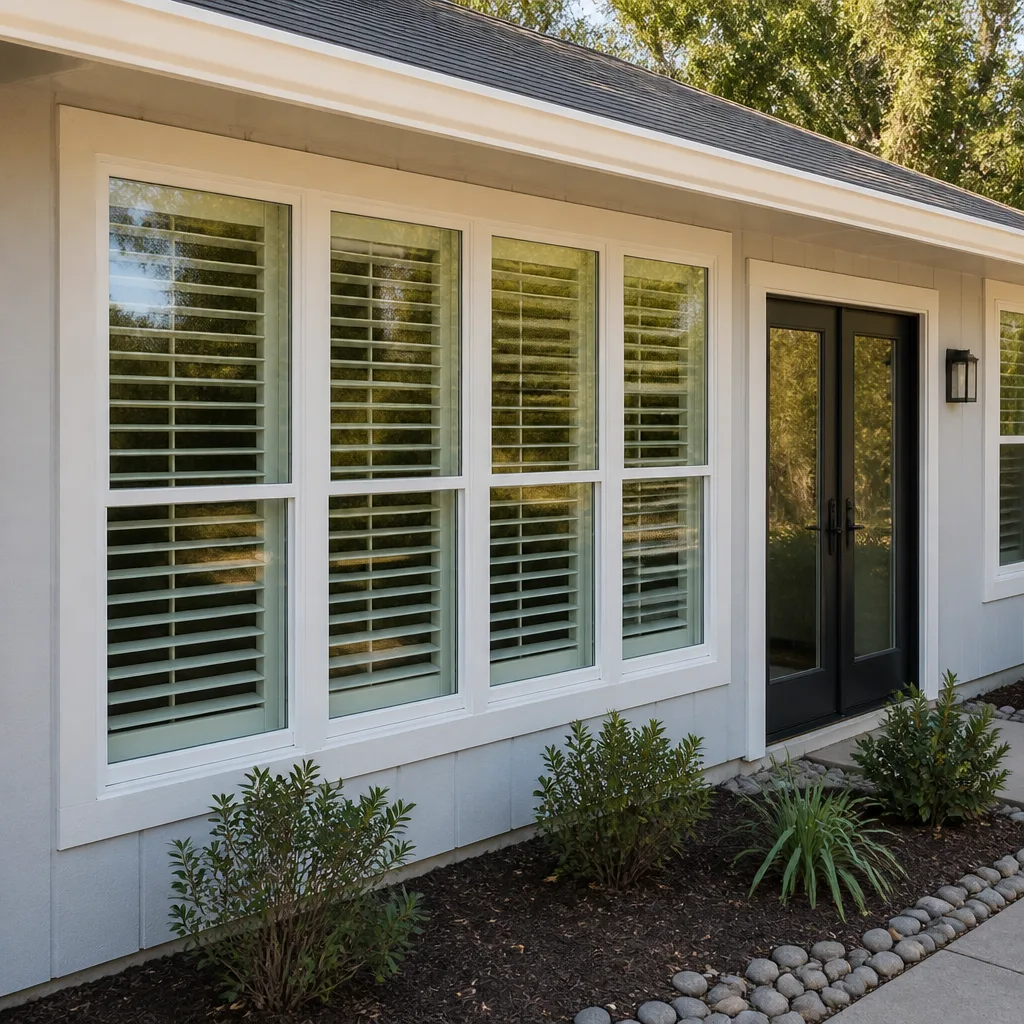 After
AfterWhen to Call a Professional
Call a professional any time the project involves removing an existing window or door, touching the rough opening, or installing a product that carries a manufacturer warranty you want to keep. That covers effectively every replacement and installation scenario. The three DIY tasks we’ve outlined – weatherstripping, hardware adjustment, and screen repair – don’t touch any of those systems. Everything that does touch them is professional territory, and San Antonio’s combination of heat, humidity, and wind load requirements makes that line sharper here than in milder markets. Lightwell Windows San Antonio offers free estimates in San Antonio. Call (325) 420-4173 and we’ll put the full scope in writing before you decide anything.
Frequently Asked Questions
No. The CPS Energy rebate program requires a contractor registration number on the application, which means the installation must have been performed by a registered contractor. Self-installed windows are not eligible for rebates regardless of product quality or installation quality. Call (325) 420-4173 for an exact quote on a rebate-eligible installation, and we’ll confirm the current program details for your specific project.
Professional window installation in San Antonio typically runs between $450 and $1,500 per opening depending on the product line, with mid-grade vinyl at the lower end and impact-rated products from PGT or CGI at the higher end. The range covers product, labor, permit, and warranty. Call (325) 420-4173 for a written line-item quote on your specific window count and product preference, free of charge.
If you install a window yourself and it fails, the manufacturer’s warranty claim process will include a determination of whether the failure was caused by the product or the installation. If the installation deviates from the manufacturer’s published instructions, which is common with DIY work, the claim will be denied. You will then be responsible for the full cost of replacement, which is typically $500 to $1,000 per window for removal and professional reinstallation.
Permits are required when structural opening dimensions change or when exterior wall integrity is affected. A straightforward replacement that fits the existing opening may not require a permit, but any project that enlarges an opening, creates a new one, or alters the structural framing does. Professional installers handle permit determination and acquisition as part of the job, which keeps your title search clean when you sell.
Vinyl frames expand and contract with temperature changes, and San Antonio’s 75-degree seasonal temperature swing causes a typical 60-inch frame to move by roughly 1/8 of an inch. Professional installation leaves specific gaps and uses shimming patterns that accommodate this movement. When the gaps are too tight, the frame binds, cracks, or breaks its seal within one or two seasons, and the fix requires full removal and reinstallation.
A written professional quote should specify the exact product (brand, model, size, glass package, color), labor breakdown for every opening, interior protection plan, cleanup commitments, permit and inspection notes, warranty terms in plain language, and a payment schedule with no payment before work starts. At Lightwell Windows San Antonio, every quote includes all of these items as standard, along with the 365-Day Done Right Promise that says if the finished work is not right, we make it right.
The Bottom Line
The DIY-versus-professional decision for windows and doors in San Antonio comes down to what you’re protecting. Weatherstripping, hardware, and screens are maintenance tasks. Windows and door installations are structural work with warranty, rebate, and permit implications that extend years beyond installation day. The homeowner who installs their own Low-E windows correctly still loses the CPS Energy rebate if the contractor paperwork isn’t right, and a $400 mistake that takes ten minutes to avoid is still a $400 mistake. For the three maintenance tasks, take the weekend and save the money. For installations, call (325) 420-4173 and get a written scope before you decide. A light well is what brings daylight deep into a building, and that is what a well-installed window should do for your home.
Written by Keith Yamada, Owner at Lightwell Windows San Antonio, serving San Antonio since 2010.
Six Reasons Homeowners Choose Lightwell Windows San Antonio
Laminated glass and reinforced frames hold up to wind-driven rain, hail and flying debris, so your openings stay sealed when the weather turns.
Low-E insulated impact glass from our manufacturer lines commonly cuts monthly cooling bills 20-30%.
Laminated impact glass shuts out up to 40% of outside noise - traffic, neighbors, weather.
Monitoring services run $30-90 a month. Laminated impact glass resists forced entry around the clock, with no subscription.
Tighter seals and insulated glass even out hot and cold rooms and stop the drafts at the frame.
A full impact package upgrades curb appeal, buyer confidence and appraised value in one project.