
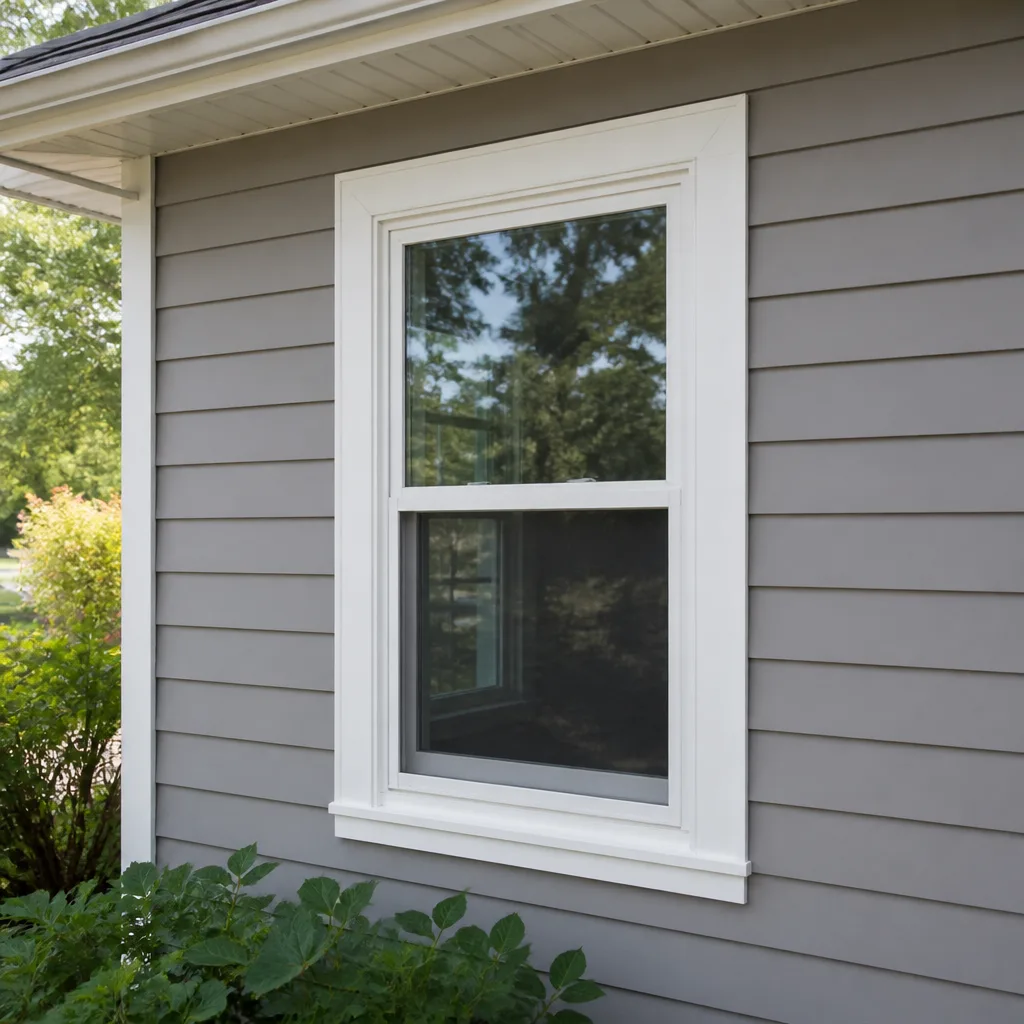
 Single hung
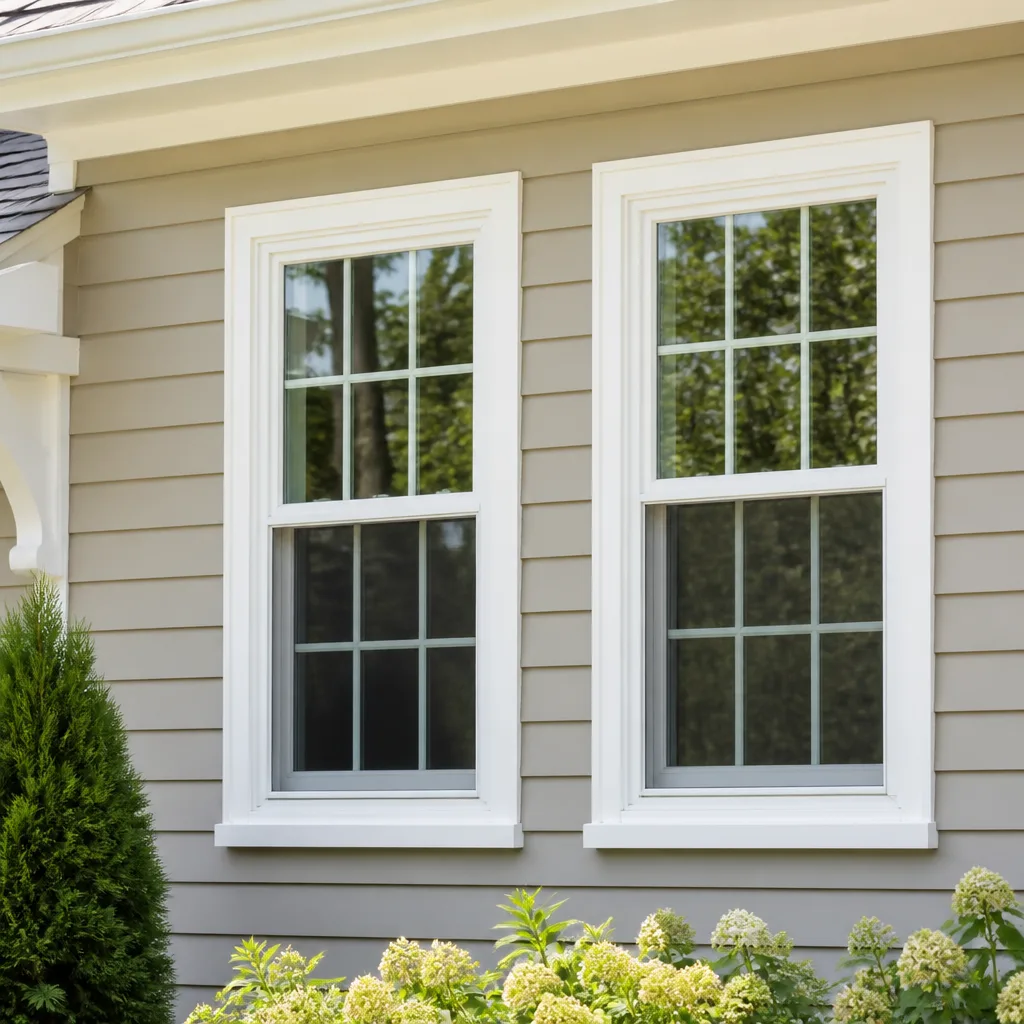 Double hung
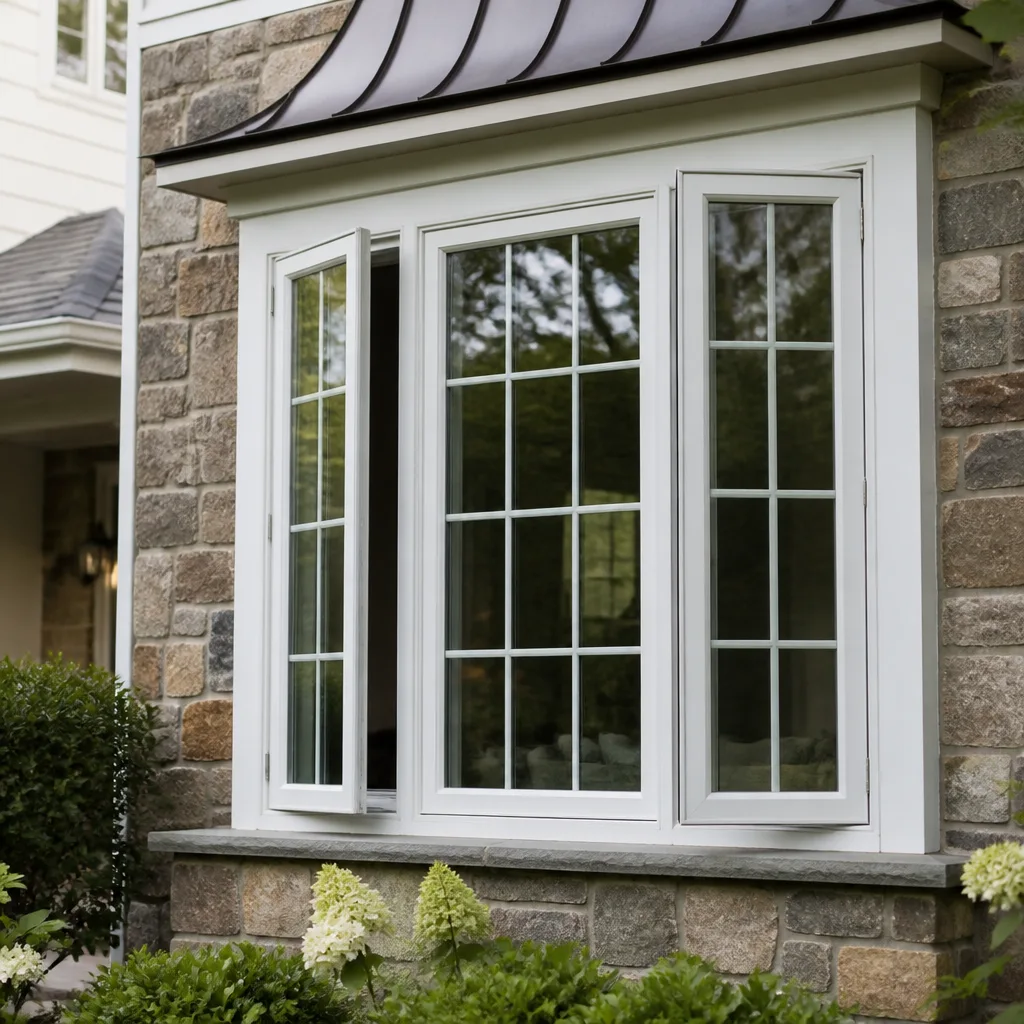 Casement
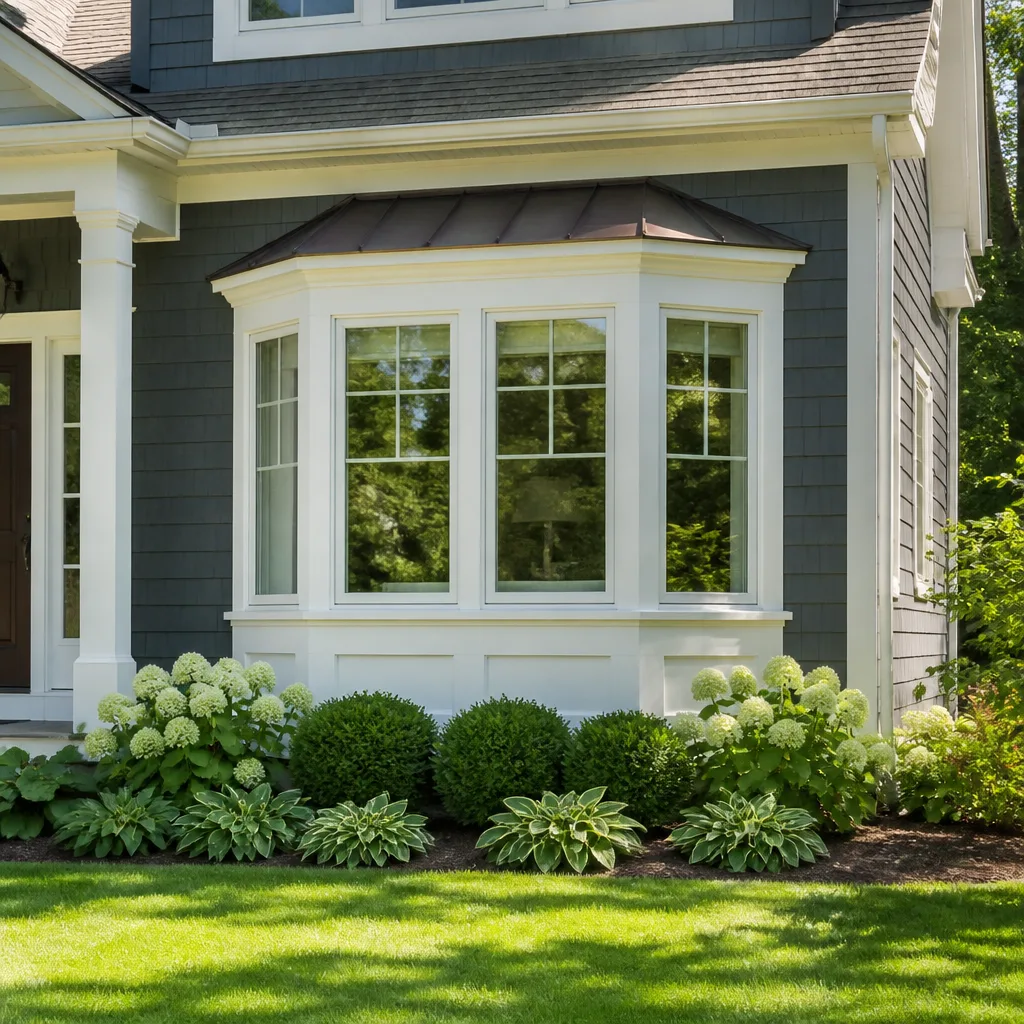 Bay & bow
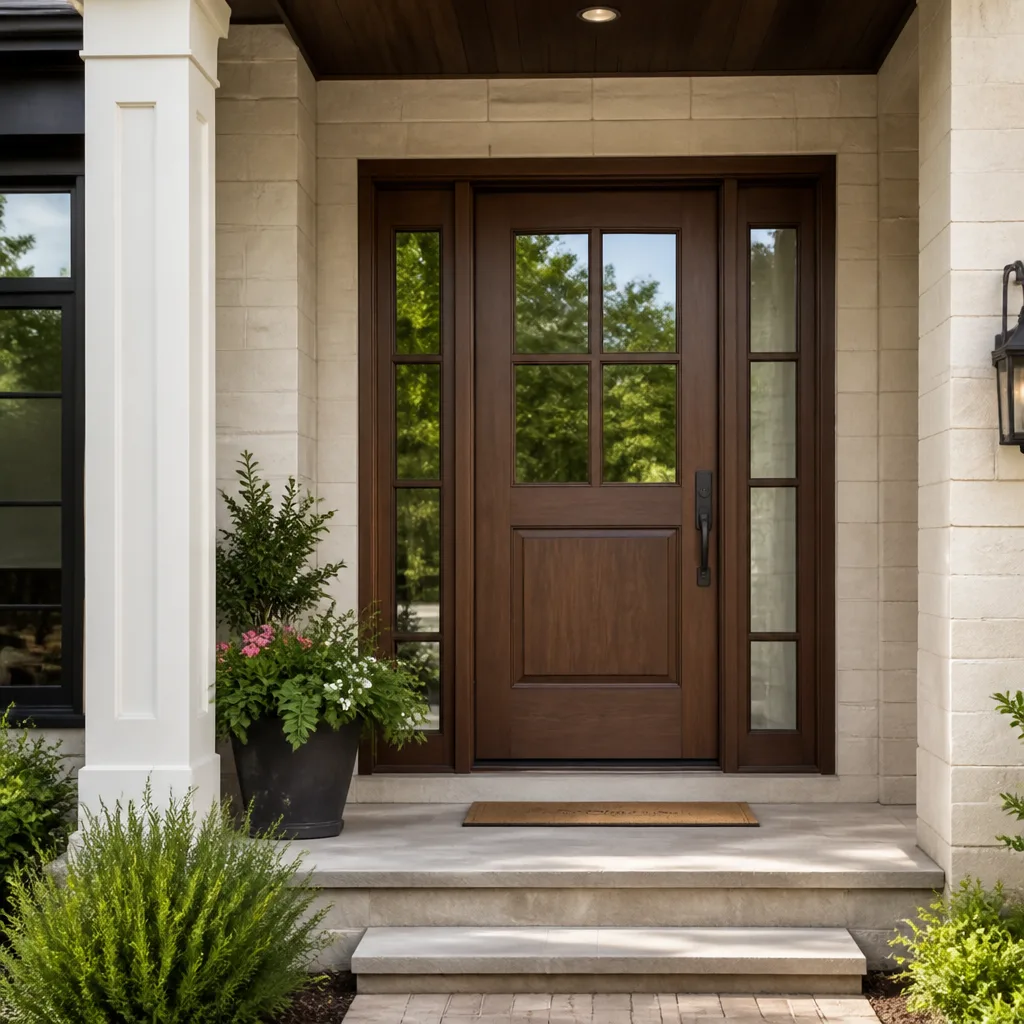 Entry doors
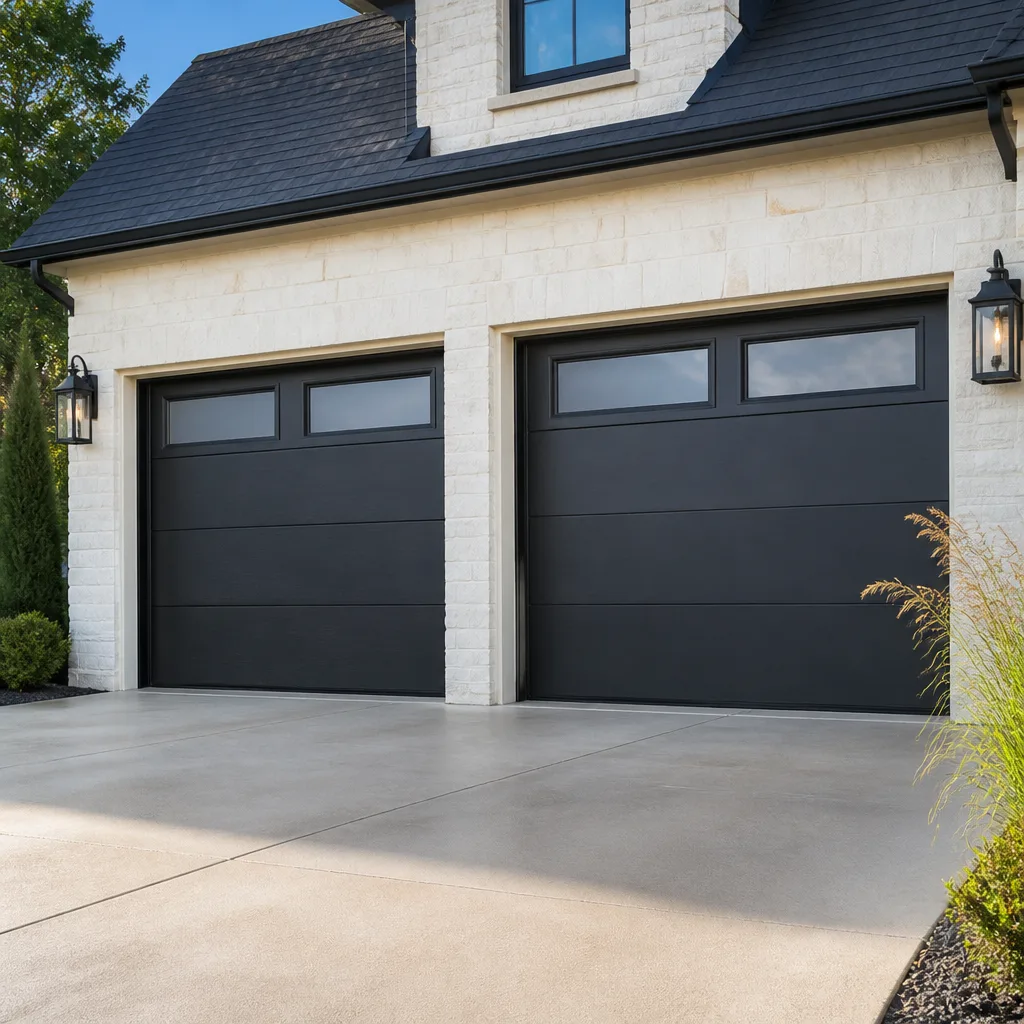 Impact garage doors
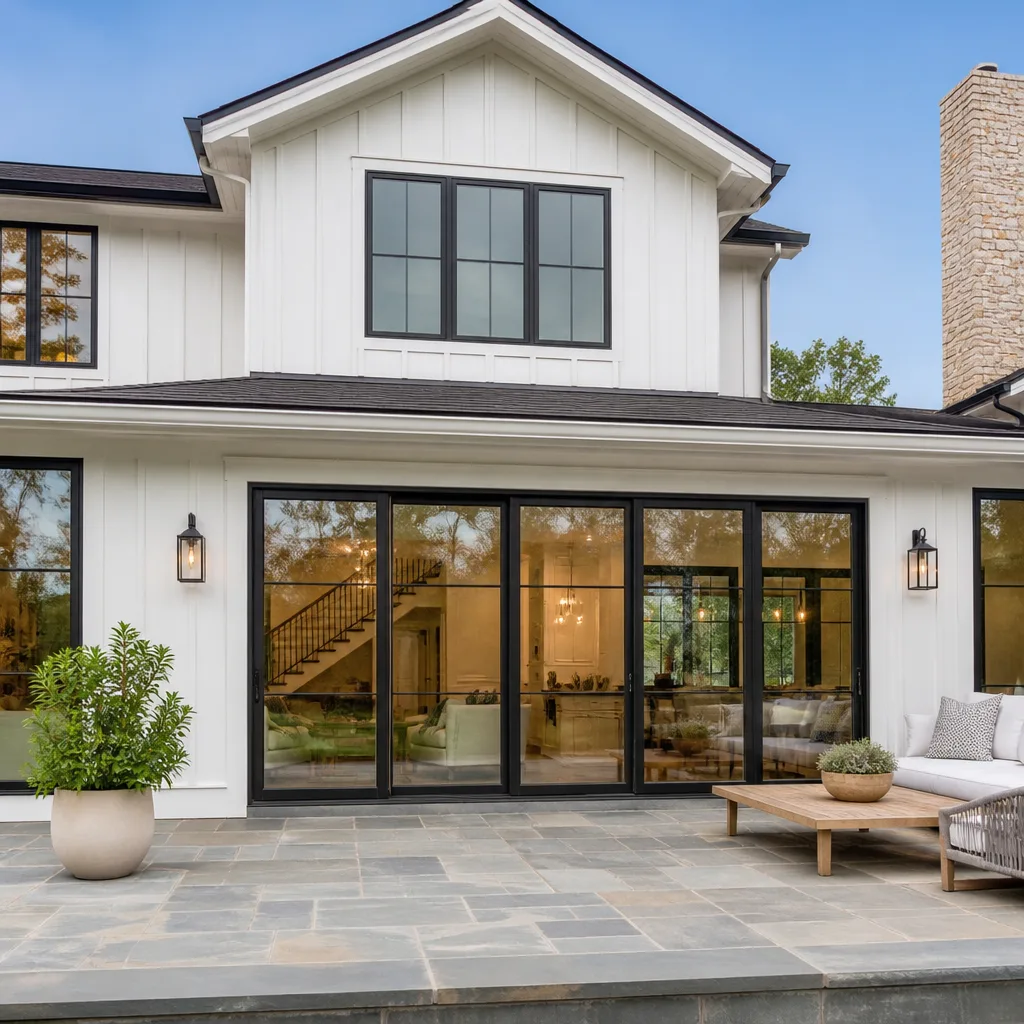 CGI
CGIFree in-home measure and quote - PGT, CGI and CWS impact lines compared on your actual openings, style by style
Get your free estimateStyles & brands we work with
See the difference
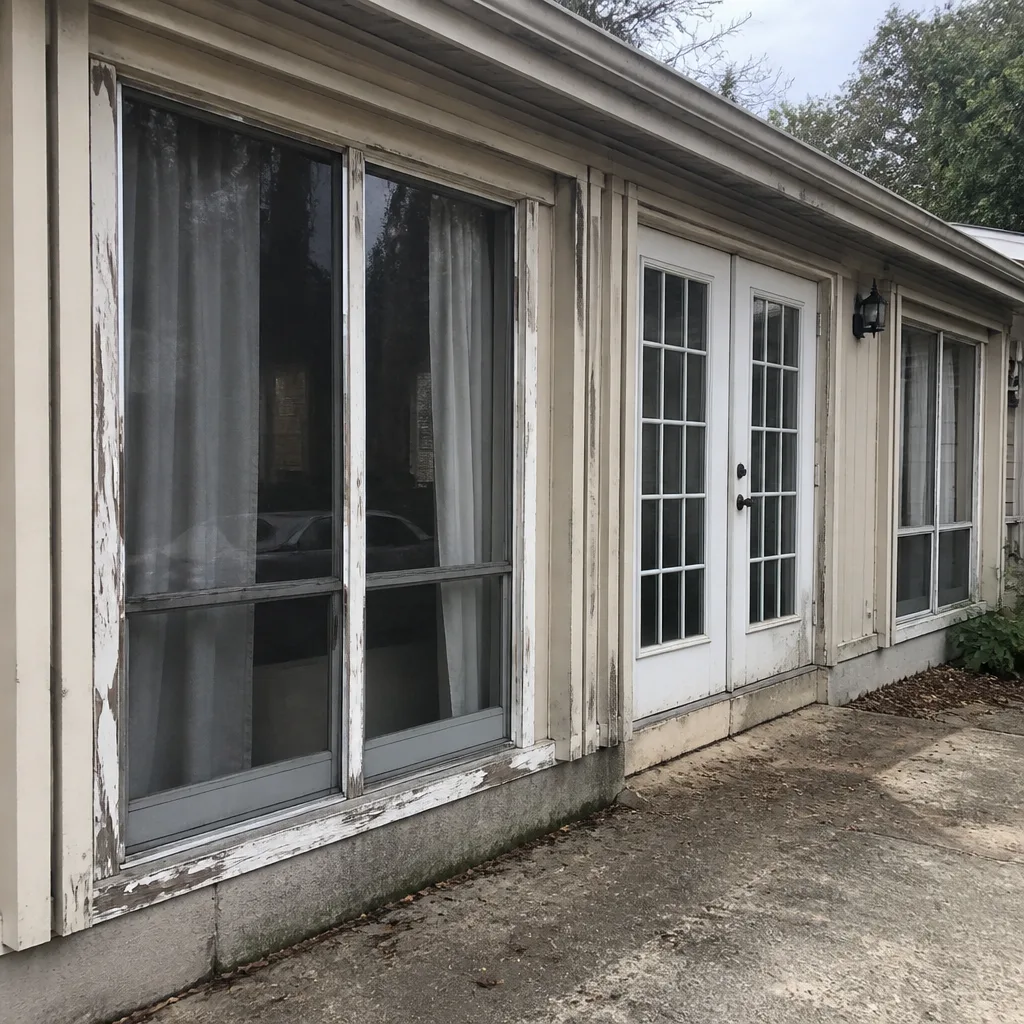 Before
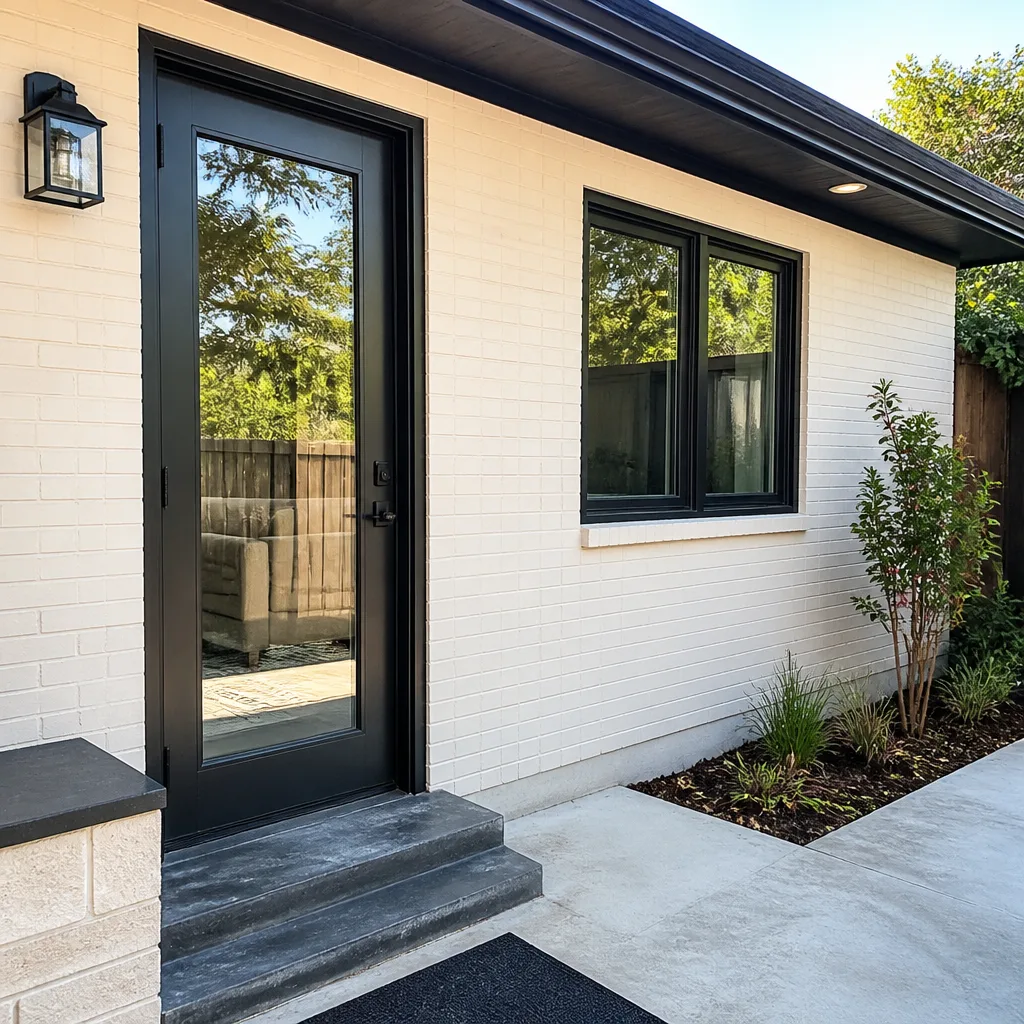 After
After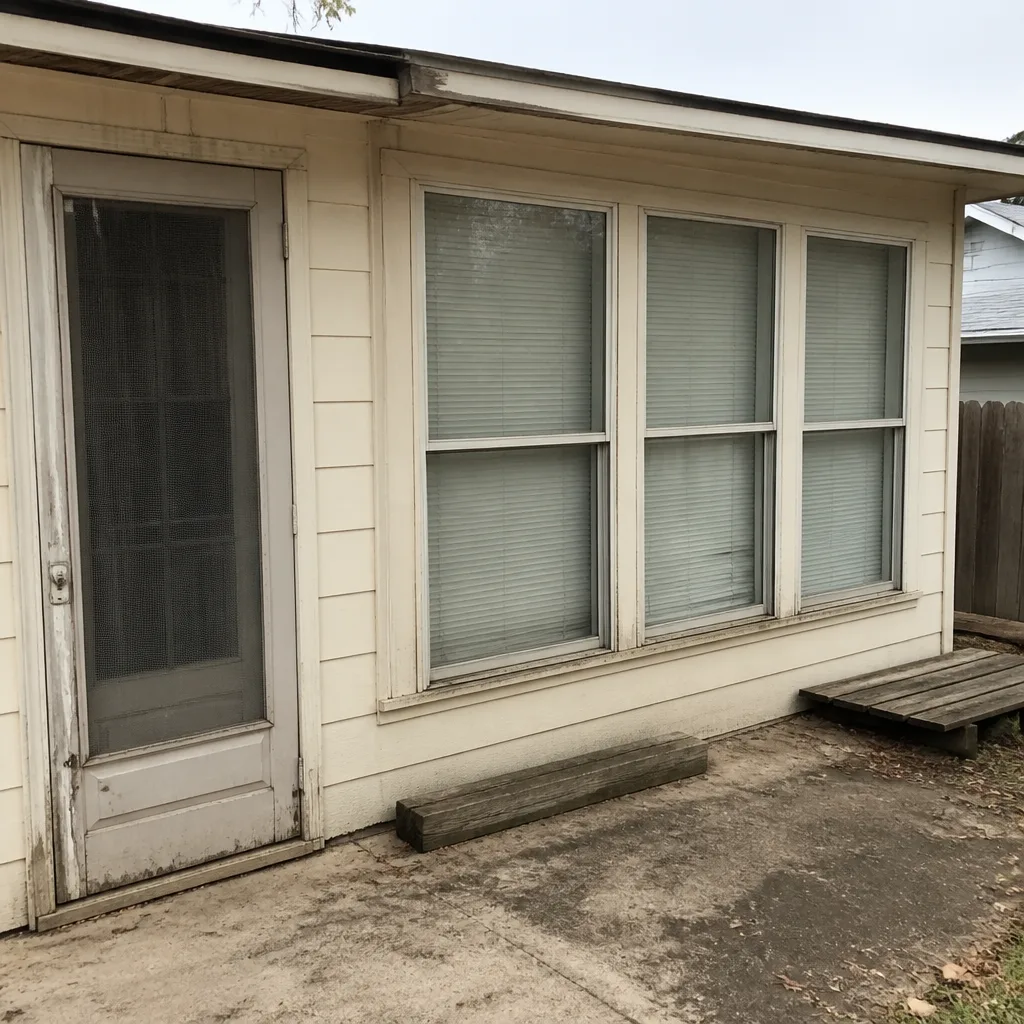 Before
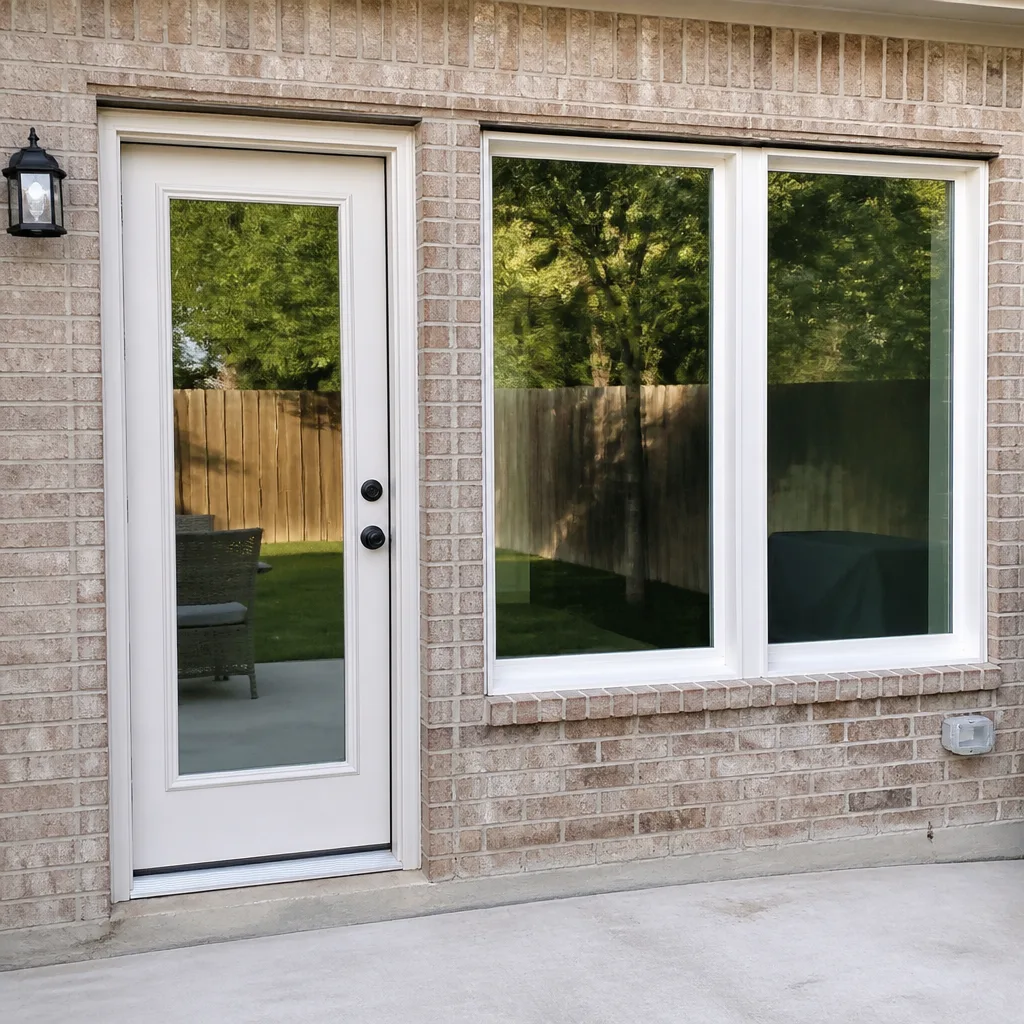 After
After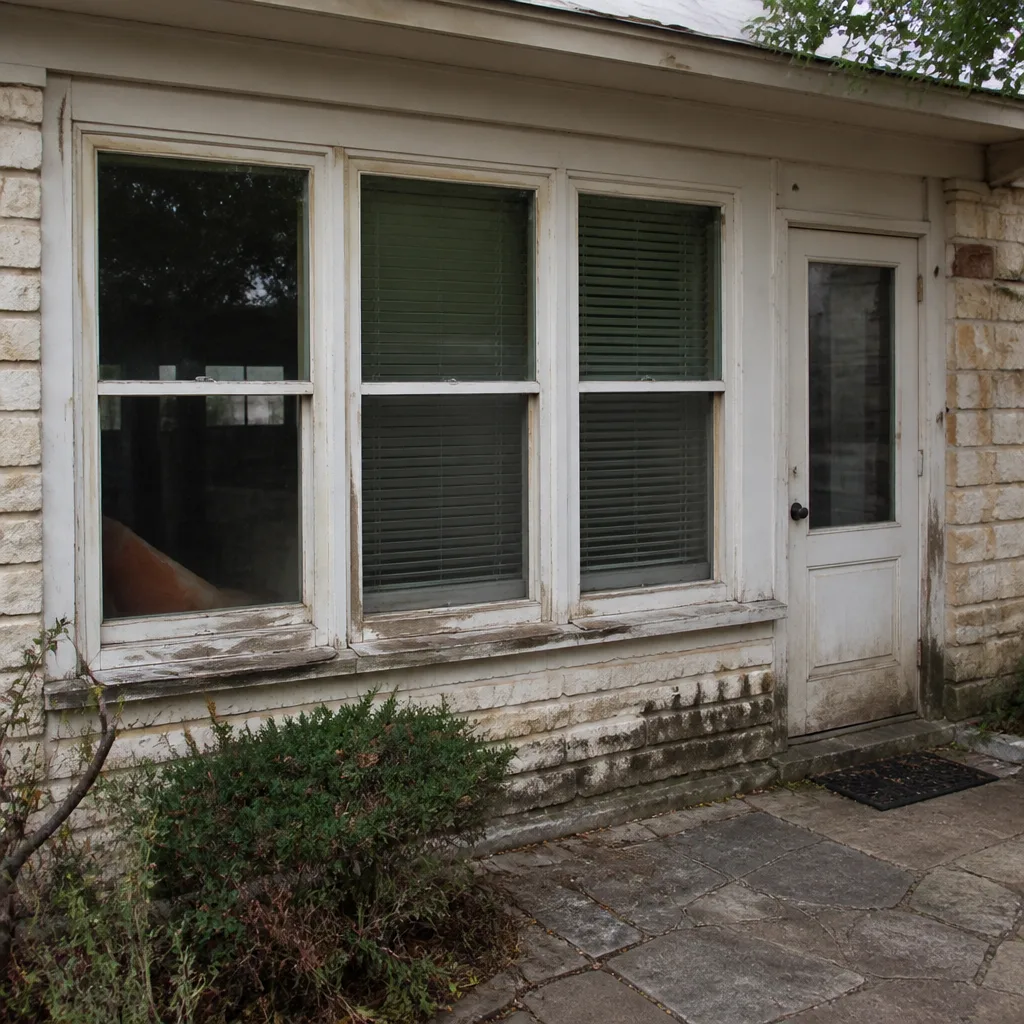 Before
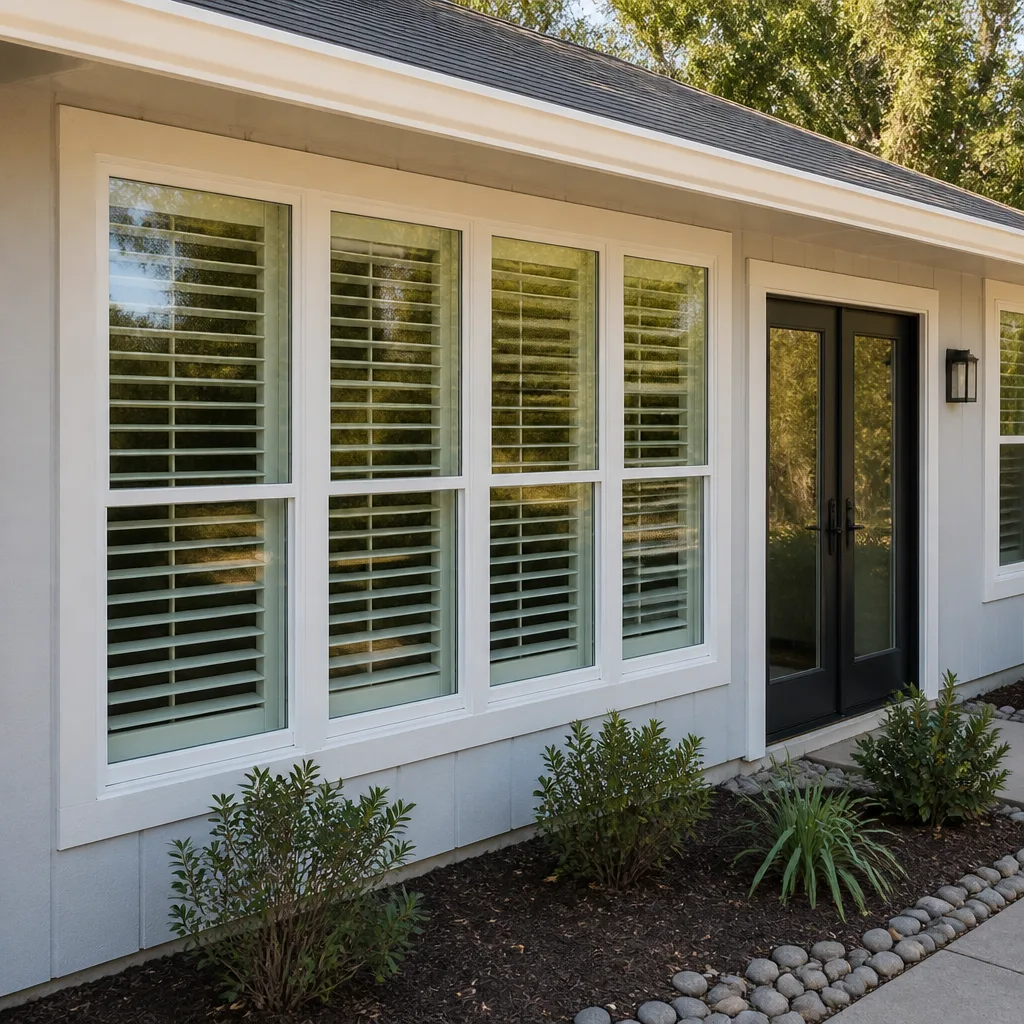 After
AfterHow Much Does Glass Railing Installation Cost in San Antonio?
Glass railing installation in San Antonio typically costs between $95 and $185 per linear foot, with most residential projects landing between $4,200 and $12,500 total. A standard 25-foot balcony or stair railing with frameless tempered glass panels and stainless steel hardware averages around $7,800. Your final number depends on the railing type, mounting method, and how many corners or stair angles the crew has to work around.
These figures reflect what we’ve seen across San Antonio neighborhoods like Alamo Heights, Stone Oak, Dominion, and Terrell Hills through 2026. They include materials, fabrication, permits, and licensed installation labor. If you’re comparing quotes right now, a written line-item estimate will show you exactly where the money goes, and it’s the only way to avoid the invoice surprises that give this industry a bad name.
Glass Railing Installation Cost Breakdown (2026)
Here’s what a typical glass railing project in San Antonio looks like, line by line. Ranges vary by railing style, glass thickness, and whether you’re working on a second-story deck or a ground-level pool surround.
| Cost Component | Typical Range (San Antonio, 2026) |
|---|---|
| Frameless glass panels (tempered, 3/8″ or 1/2″) | $55 – $95 per linear foot |
| Aluminum or stainless steel posts and hardware | $25 – $45 per linear foot |
| Handrail (round, square, or wood cap) | $15 – $35 per linear foot |
| Installation labor | $20 – $40 per linear foot |
| Building permit (City of San Antonio) | $150 – $450 per project |
| Concrete drilling and anchoring (if needed) | $8 – $15 per anchor point |
| Stair work or custom angles | $75 – $150 per corner or bend |
| Removal and disposal of old railing | $200 – $600 per project |
Here’s what pushes a project toward the top of those ranges: a pool cage with multiple angles, a second-story balcony that needs reinforced anchoring into existing concrete, or a staircase with a landing that requires custom-cut panels. On the lower end, you’re looking at a straight, ground-level run with simple post spacing and a standard handrail profile. San Antonio’s limestone-heavy soil doesn’t usually affect railing costs the way it does foundation work, but older homes in areas like Monte Vista or Olmos Park sometimes have concrete that’s 60+ years old, which can slow drilling and add an hour or two of labor.
What Affects Glass Railing Installation Pricing in San Antonio
- Frameless vs. framed systems. Frameless railings cost 20 – 30% more because the glass has to be thicker (1/2″ instead of 3/8″) to be structurally rigid without a frame. Most San Antonio homeowners who choose glass railings pick frameless for the unobstructed view, but a framed system still looks sharp and saves real money on a long run.
- Glass thickness and type. Standard tempered glass runs $55 – $95 per linear foot. Laminated glass, which holds together if cracked, adds roughly 35 – 45% on top. Pool enclosures in San Antonio are often required to use laminated glass under local code, especially if the railing doubles as a safety barrier.
- Linear footage and layout complexity. Straight runs are cheapest. Every corner, stair angle, or custom radius adds $75 – $150 in fabrication and fitting time. A 40-foot balcony with three corners can cost as much as a 60-foot straight run by the time the glass is templated and cut.
- Mounting method. Surface-mounted posts with anchor bolts are the most economical. Fascia-mounted rails (attached to the side of the deck or concrete edge) cost a little more. Core-drilled or recessed mountings, where the glass sits in a channel in the concrete, are the cleanest look but run 20 – 30% higher because of the precision drilling involved.
- Access and site conditions. Second-story work needs scaffolding or lift equipment. If your backyard in Shavano Park or Encino Park is tight, with mature oaks close to the deck line, the crew may need to hand-carry every panel rather than roll them in on a cart. That time shows up in the labor line.
- Permit requirements. San Antonio requires a building permit for most glass railing work on decks, balconies, and stairs. Permit fees are modest, usually $150 – $450, but a contractor should handle the paperwork and schedule the inspection. If a bid seems suspiciously low, ask whether the permit is included.
Glass Railing Options and What They Cost
Glass railings come in several configurations, and each carries a different price tag in the San Antonio market. Understanding the terminology before you get quotes will help you compare apples to apples.
Frameless Glass Railing
Frameless systems use thick tempered glass panels held by small stainless steel clamps or base shoes, with no vertical posts interrupting the view. Expect $110 – $185 per linear foot installed in San Antonio. This is the most popular choice for balconies and pool surrounds where the view matters. The glass itself is doing the structural work, which is why every panel must be professionally templated and installed by someone who understands load requirements.
Framed Glass Railing
Framed systems pair glass infill panels with aluminum or steel posts and top rails at $75 – $120 per linear foot. They’re the practical choice for families with climbing-age kids, since the frame adds a second layer of protection. They also handle San Antonio’s summer heat expansion well when the installer leaves proper clearance in the channels.
Hybrid Systems
Some homeowners in the Hill Country areas around San Antonio choose a hybrid: frameless glass between posts with a slim top rail for added grip. These run $95 – $150 per linear foot. The top rail is often necessary on stair applications anyway, since building code requires a graspable handrail on stairs, and frameless panels alone don’t always satisfy that.
If you’re not sure which option fits your home or the space, call (325) 420-4173 and Keith Yamada can walk through what each style looks like in a San Antonio setting. There’s no charge for the conversation, and a written estimate lays out each option with its price so you can decide at your kitchen table, not under pressure.
Glass Railing Cost vs. Other Railing Materials in San Antonio
Glass is the premium option, but it helps to see it in context. Here’s what San Antonio homeowners pay per linear foot for common railing materials, installed:
- Glass (frameless): $110 – $185 per linear foot
- Glass (framed): $75 – $120 per linear foot
- Aluminum railing: $45 – $75 per linear foot
- Wrought iron: $55 – $90 per linear foot (plus repainting every 5 – 7 years in San Antonio humidity)
- Cable railing: $60 – $95 per linear foot
- Wood railing: $35 – $60 per linear foot (plus sealing and rot repair over time)
Glass carries a higher first price, but it’s the only option that doesn’t rust, rot, warp, or need a paint refresh. In San Antonio’s climate, where July and August hover near 100 degrees and spring brings weeks of Gulf humidity, materials that don’t oxidize or swell tend to age better. Wrought iron looks classic but will show rust within a few years of exposure to our humidity cycles, unless you’re vigilant about touch-up paint.
What Does Glass Railing Installation Include?
When you pay for glass railing installation, here’s what a complete job should include. If any of these are missing from a quote, ask about them before signing anything.
- Site measurement and templating. A technician visits your home, measures every run precisely, and notes any deviations from square. Glass can’t be trimmed on-site the way wood can, so accurate templating determines whether the panels fit on the first trip or whether you wait three weeks for recuts.
- Fabrication. The glass is cut, tempered, and polished in a controlled facility. This is not something that happens in a truck in your driveway. Tempered glass must meet safety standards, and the edges should be polished so the panels don’t have sharp spots.
- Hardware and anchoring. Posts, clamps, base shoes, gaskets, and anchor bolts rated for the load requirements of your specific installation. Balconies need different anchoring than ground-level pool surrounds, and a reputable installer knows the difference.
- Permit and inspection. The contractor should pull the permit, schedule the city inspection, and make sure the final install passes San Antonio code for railing height, gap spacing, and structural loading.
- Cleanup. Glass installation produces fine dust and packaging waste. By the time the crew leaves, the site should be broom-clean, with no glass fragments left anywhere near where kids or pets walk.
At home, our crews follow a clean-up standard on every visit: shoe covers and drop cloths before any work starts, a photo of the finished cleanup before the crew pulls out of the driveway, and pet-safe sealants wherever a choice exists. If your dog sniffs around the work area afterward, there’s nothing left behind that will hurt them.
Is a Permit Required for Glass Railing Installation in San Antonio?
Yes, in most cases. The City of San Antonio requires a building permit for glass railing installation on decks, balconies, stairs, and any railing that serves as fall protection. If the railing is purely decorative on a flat surface with no drop, you may not need one, but the safe assumption is that you will. A contractor who tells you a permit isn’t needed for a second-story balcony is giving you a reason to keep looking.
Permit fees in San Antonio typically run $150 – $450 for residential railing work, and the process usually takes one to two weeks from application to approval. The inspection afterward is straightforward: the inspector checks railing height (42 inches for most residential applications in Texas), gap spacing between panels or pickets, and structural anchoring. Expect to be present or have the contractor present for the final inspection.
San Antonio sits on varied soil: the clay-heavy ground on the north side around Stone Oak behaves differently from the limestone shelf you’ll find in parts of the Dominion or the rocky terrain farther west toward Helotes. Railing anchoring is generally into the concrete or structural framing, not the dirt itself, so soil type matters less for railings than for foundations. But older concrete pads, especially around 1970s-era pools in neighborhoods like Churchill Estates or Castle Hills, can crack during anchor drilling if the installer rushes it. That’s another reason the crew doing the drilling matters more than the brand of the bracket.
How to Save on Glass Railing Installation
Glass railing isn’t cheap, but there are legitimate ways to control the cost without cutting corners on safety or longevity.
- Bundle the railing with another project. If you’re already replacing windows or adding a deck, combining the railing into the same job saves on mobilization and scheduling. One crew visit, one cleanup, one permit cycle. Lightwell offers Glass Railing Installation in San Antonio alongside window and door work, so homeowners doing a full exterior refresh can consolidate.
- Choose a framed system for long runs. If you have 60+ linear feet, the savings from framed glass add up to $2,000 – $4,000 compared to frameless. The view is slightly more interrupted, but on a long run the difference is less noticeable than you might think, especially with slim aluminum profiles.
- Straighten the design where you can. Every corner costs $75 – $150 extra. If you’re designing a new deck or fence line, and the layout has flexibility, a straighter run saves fabrication time and waste.
- Use standard panel widths. Custom widths that fall outside the typical fabrication range (usually in 4-foot or 5-foot modules) cost a premium. A good installer can often adjust post spacing slightly to work with standard panels and avoid custom cut fees.
- Get three written estimates, and compare line by line. Not all bids include the same scope. One may skip the permit. Another may quote 3/8″ glass where a 1/2″ panel is needed. The lowest bid isn’t the best deal if it omits something you’ll pay for later. At Lightwell, every price goes in writing before work starts, and the written estimate is the agreement: no surprises at the end of the job.
When you’re ready for a number on your specific project, call (325) 420-4173 for a free estimate. The conversation takes about 15 minutes, and you’ll leave it with a real price range, not a vague “it depends.”
How the Installation Process Works
Knowing what to expect helps you plan around the disruption, and it’s worth understanding before you sign a contract. Here’s the sequence a typical San Antonio glass railing job follows:
Step 1: Site Visit and Measurement
A technician comes to your home, measures every run, and documents the mounting surface condition. If the concrete is cracked, spalled, or unusual in any way, this is when it gets flagged. On this first visit, the technician should also talk through which style fits your space. The C.A.R.E. values Lightwell crews follow start here: Ask before moving or touching anything, and Respect the family’s time by showing up when promised.
Step 2: Fabrication
The measurements go to fabrication, where glass is cut and tempered. Tempering makes the glass roughly four times stronger than standard annealed glass, and when it does break, it crumbles into small granular pieces instead of sharp shards. This is a safety requirement for any glass railing in San Antonio, not an upgrade.
Fabrication takes one to three weeks depending on the volume in the shop and the complexity of the cuts. Rush fabrication is sometimes available, but it costs extra and usually isn’t worth it unless a move-in date is hanging on the railing.
Step 3: Anchor and Install
Installation day runs four to eight hours for a typical residential job. The crew drills anchor points, sets posts or base channels, and then carefully places each glass panel. Panels are heavy: a 1/2″ tempered panel can weigh 60 – 80 pounds. Two people handle each panel for the larger sizes. If the job is indoors or adjacent to finished rooms, drop cloths and shoe covers keep glass dust and drilling debris out of the house.
Step 4: Inspection and Walkthrough
Once the city inspector signs off, the crew should walk the finished rail with you. Check the gaps under the bottom rail, the sturdiness of each panel, and the finish on the hardware. If anything isn’t right, the 365-Day Done Right Promise on every Lightwell job means we make it right, no debate, no countdown. Keith Yamada, who leads the team, has been operating within the Cedarwell network since 2010, and that promise has been part of how the work gets done from day one.
Glass Railing Maintenance Costs in San Antonio
Glass railings aren’t maintenance-free, but they’re close. Here’s what you’ll budget after installation:
- Cleaning: San Antonio’s hard water spots and spring pollen mean you’ll wipe the glass down every few weeks. A standard glass cleaner and a microfiber cloth handle it. Budget $0 – $50 per year; no special products needed.
- Hardware tightening: Once a year, the anchor bolts and clamps should be checked and snugged if needed. Most installers include this in the first year. After that, it’s a 30-minute task you can do yourself with basic tools, or call the installer and pay a service fee of $75 – $150.
- Glass replacement: Tempered glass is tough, but a direct hit from a rock kicked up by a mower or a stray golf ball in communities like Sonterra or The Club at Sonterra can crack a panel. Replacement typically runs $300 – $700 per panel including labor, depending on size.
- Gasket and seal replacement: The rubber gaskets that hold the glass in the channels degrade slowly in San Antonio heat. Count on replacing them every 8 – 12 years at $8 – $15 per linear foot.
Glass railing has no rust cycle and no repainting schedule for the panels themselves, which is why the lifetime cost usually undercuts wrought iron even though the first price is higher. The math works out for many San Antonio homeowners within five to seven years.
Glass Railing Installation for Specific San Antonio Home Types
The house itself shapes the price. Here’s how different property types around San Antonio affect glass railing costs.
Two-Story Balconies and Decks
Balcony railings carry higher structural requirements than ground-level installations, and they typically require 42-inch heights with designed load resistance. On a second-story balcony, expect $120 – $185 per linear foot. The elevation adds scaffolding or ladder work, and the anchoring often goes into structural framing rather than a simple concrete slab. Homes in Alamo Heights and Terrell Hills with second-story balconies often have older framing, so the installer should inspect the attachment points before quoting rather than assuming the existing structure supports modern railing loads.
Pool Surrounds and Outdoor Living Areas
Pool railings are the most common glass railing project in San Antonio, which makes sense given the swimming season and the number of backyard pools in neighborhoods from Hollywood Park to Cibolo. Pool surrounds typically run $100 – $155 per linear foot for frameless glass. The big variable is the condition of the pool deck concrete. Decks with existing cracking from San Antonio’s clay expansion and contraction cycles may need concrete repair before railing anchors go in, adding $500 – $1,500 depending on severity. If the railing will serve as the pool’s required safety barrier, laminated glass is often the code requirement, and that adds 35 – 45% to the glass line.
Interior Lofts and Stair Railings
Interior glass railings on stair landings or loft edges run $130 – $175 per linear foot. The price is higher than exterior because installers work inside finished spaces, which means dust containment, moving furniture where the homeowner approves it, and often working around stairs that are already finished. The C.A.R.E. standards matter more here than anywhere: the crew is inside your home, around your kids’ rooms and your pet’s sleeping spot. Clean up like it’s our own home isn’t a slogan on these jobs; it’s the difference between a pleasant renovation and a week of finding glass dust in the carpet.
Multifamily and Commercial
For condo buildings and commercial properties in San Antonio, railings must meet stricter loading standards and often require engineering drawings. Commercial glass railing runs $150 – $250 per linear foot, and the engineering calculation alone can add $800 – $2,000 to a project. The work is outside the scope of what Lightwell handles for most of these projects, but if you own a small condo building or townhome community, call (325) 420-4173 and we’ll point you in the right direction or give you a straight answer about what we can and can’t do.
How Much Does It Cost to Repair Glass Railing in San Antonio?
Repairs are a different animal from new installation, and the pricing reflects the labor of matching existing hardware and glass rather than building from scratch.
- Broken glass panel replacement: $300 – $700 per panel, including removal, fabrication, and installation. The range depends on panel size and whether the glass is standard tempered or laminated.
- Loose post or clamp: $100 – $250 per repair. Usually involves replacing the anchor bolt or re-setting the post in new adhesive.
- Rusted hardware replacement: $30 – $80 per fitting, plus $100 – $200 in labor if multiple fittings need swapping.
- Gasket or seal replacement: $150 – $400 for a typical 20 – 30 foot run.
- Complete railing replacement: $4,200 – $12,500, same range as new installation, minus any salvage value from the old glass.
Repairs on a railing installed by a different company can be tricky because panel dimensions and hardware brands differ. If you don’t know the original installer, the technician has to reverse-engineer the measurements and source compatible parts. It’s doable, but it adds a service call charge, usually $75 – $150 on top of the repair itself.
FAQs – Glass Railing Installation Cost
How much does glass railing cost per foot in San Antonio?
Glass railing in San Antonio costs $95 – $185 per linear foot installed, with framed systems at $75 – $120 per foot and frameless at $110 – $185 per foot. A typical 25-foot balcony project totals $4,200 – $12,500. Call (325) 420-4173 for a written estimate on your specific linear footage; the quote is free and includes the permit.
Is it cheaper to repair or replace a glass railing?
Repair is cheaper when the damage is isolated: a single cracked panel runs $300 – $700 to replace, while a full railing replacement starts around $4,200. But if your railing has rusted hardware, failing anchors, and multiple damaged panels, replacement often costs less per year of remaining life. The threshold is usually three or more damaged panels.
How long does glass railing installation take in San Antonio?
Fabrication takes one to three weeks after measurement, and installation day runs four to eight hours for a typical residential project. The city permit adds one to two weeks to the front end. Total timeline from signed contract to finished, inspected railing is usually four to six weeks. Call (325) 420-4173 if you’re working against a move-in date and need a realistic schedule check.
Do I need a permit for glass railing in San Antonio?
Yes, most glass railing projects in San Antonio require a building permit, especially balconies, decks, stairs, and pool barriers. Permit fees run $150 – $450, and a contractor should handle the application and inspection scheduling. A written estimate from Lightwell includes the permit line, so there’s nothing to chase down yourself.
What’s the cheapest glass railing option?
The cheapest glass railing is a framed system with 3/8″ tempered glass, surface-mounted posts, and a standard aluminum handrail, running $75 – $110 per linear foot in San Antonio. It’s not frameless, but with slim black or bronze aluminum profiles it still reads as modern and lets most of the light through. For a free breakdown of what each tier costs on your exact run, call (325) 420-4173.
Does glass railing add value to a San Antonio home?
Glass railing adds visual value by opening sightlines and making decks, balconies, and pool areas feel larger, which translates to stronger listing appeal in competitive neighborhoods like Stone Oak and The Dominion. Appraisal-value estimates vary too widely to promise a number, but the curb-appeal impact is real, particularly for homes where the view or the pool is the selling point.
Get a Written Estimate for Your Glass Railing
Every glass railing project is different enough that a written estimate is the only honest way to price it. The good news: the estimate costs you nothing, takes a short visit or even a phone call and some photos, and gives you a number you can actually plan around. At Lightwell Windows San Antonio, the price goes in writing before any work starts. No invoice surprise at the end. No “we discovered additional charges” phone call.
The work is covered by the 365-Day Done Right Promise, a standard Keith Yamada and the team have operated under since 2010 as part of the Cedarwell network. If the finished railing isn’t right, we make it right. That applies to every job, not just the easy ones.
If you have a balcony, a pool surround, a loft edge, or a stair railing that needs glass, call (325) 420-4173. A live person answers, 24/7. That’s not a call center; it’s whoever is on duty from our team. You’ll get a straight answer about cost and timeline, and if we’re not the right fit for your project, we’ll say so plainly.
Written by Keith Yamada, Owner at Lightwell Windows San Antonio, serving San Antonio and surrounding communities since 2010.
Pricing reflects the San Antonio market as of 2026. Lightwell Windows San Antonio offers free estimates – call (325) 420-4173.
Six Reasons Homeowners Choose Lightwell Windows San Antonio
Laminated glass and reinforced frames hold up to wind-driven rain, hail and flying debris, so your openings stay sealed when the weather turns.
Low-E insulated impact glass from our manufacturer lines commonly cuts monthly cooling bills 20-30%.
Laminated impact glass shuts out up to 40% of outside noise - traffic, neighbors, weather.
Monitoring services run $30-90 a month. Laminated impact glass resists forced entry around the clock, with no subscription.
Tighter seals and insulated glass even out hot and cold rooms and stop the drafts at the frame.
A full impact package upgrades curb appeal, buyer confidence and appraised value in one project.
Other Lightwell Windows San Antonio Services
What Neighbors Say About Lightwell Windows San Antonio
What Our Customers Say
"Quiet, considerate install of several windows. They cleaned the glass and the sills and vacuumed every room. You'd never know a crew had been through. House is quieter and brighter."
- Brent Sakamoto"Replaced six windows. The crew laid runners through the house and vacuumed each room as they finished. With a crawling baby, that no mess thing meant a lot. Windows are gorgeous."
- Rosalind Kemp"Replaced drafty old windows and a back door. The crew was gentle around my mother's antiques, protected everything, and cleaned up beautifully. Home feels warmer and calmer already."
- Walter Prim