
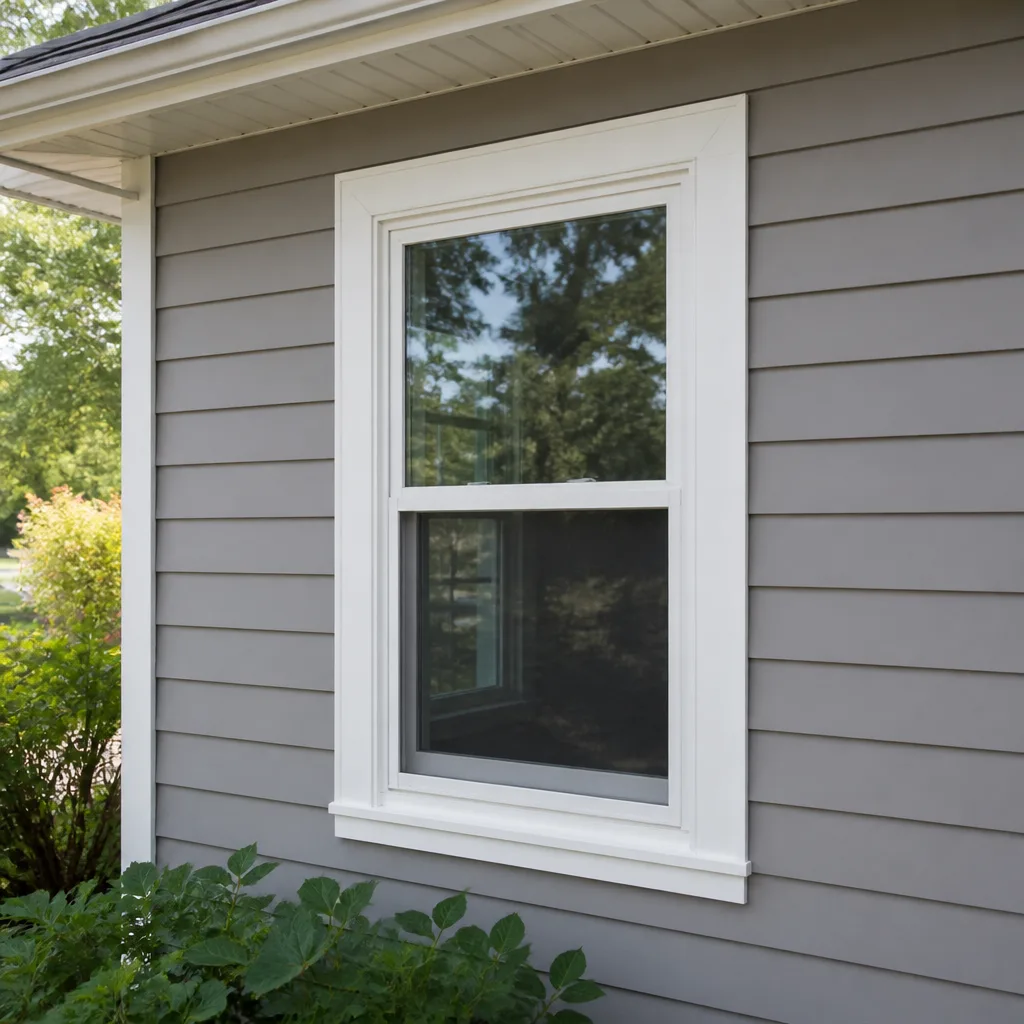
 Single hung
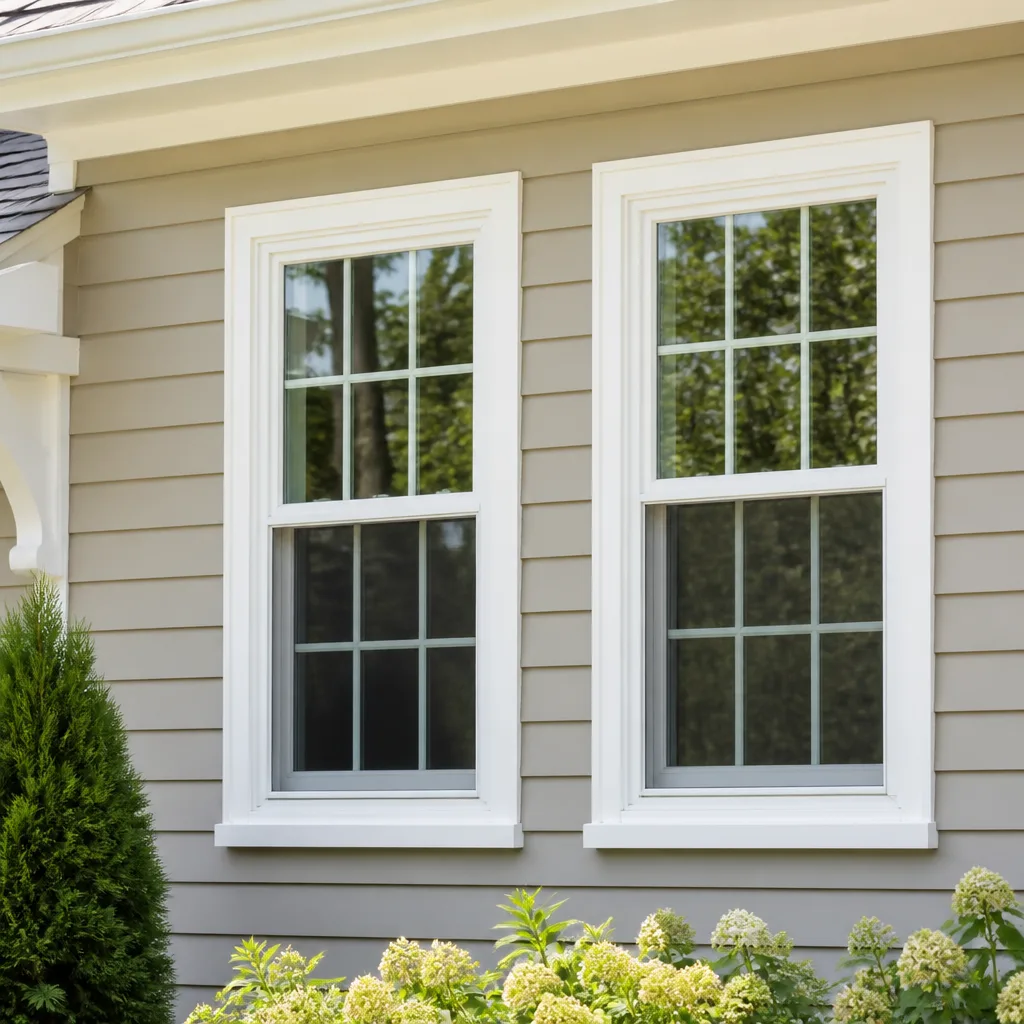 Double hung
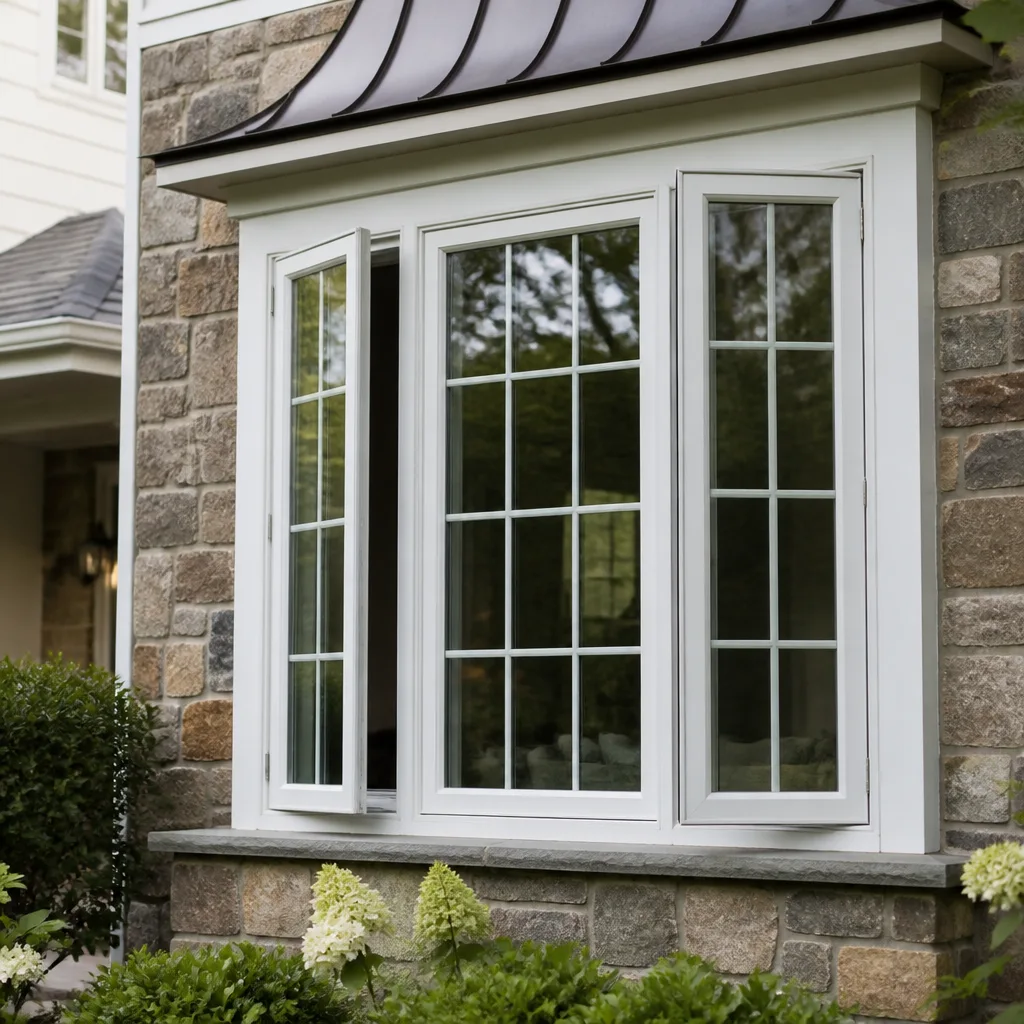 Casement
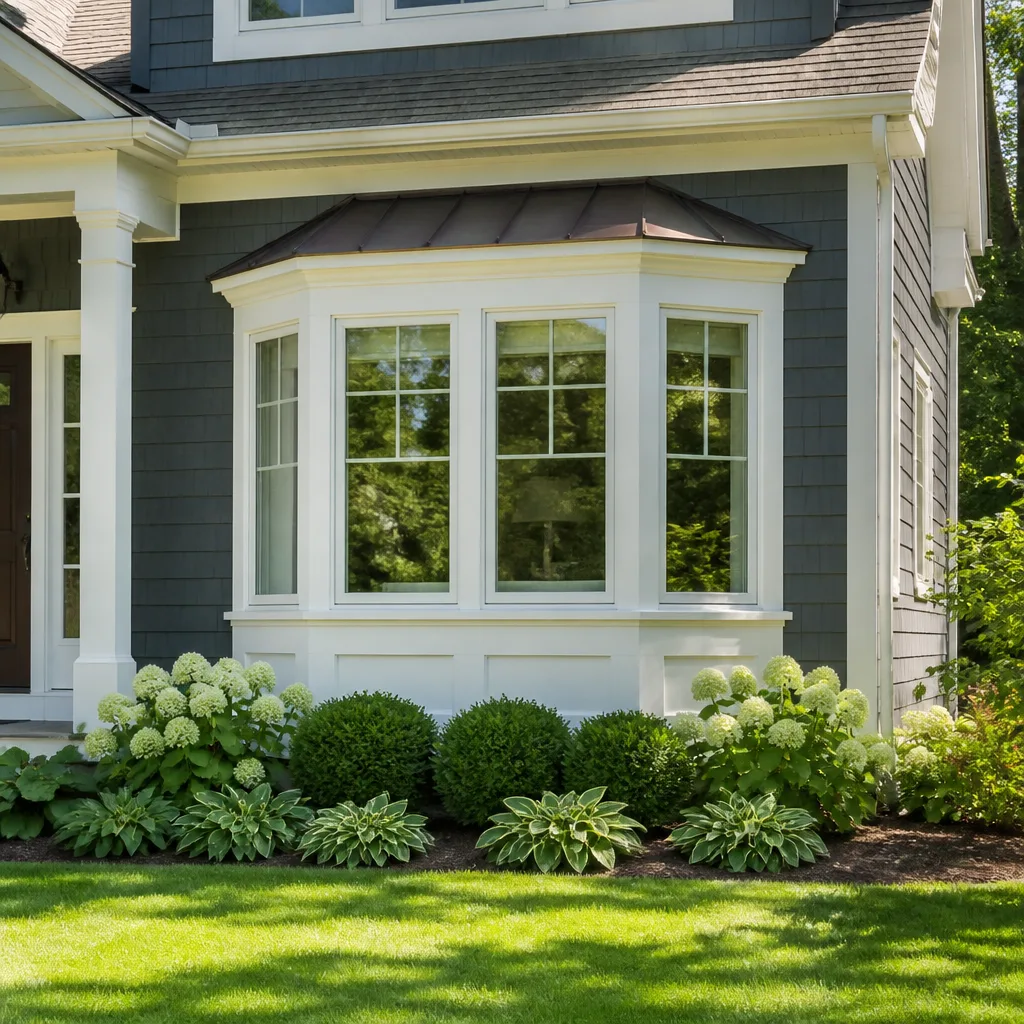 Bay & bow
 Entry doors
 Impact garage doors
 CGI
CGIFree in-home measure and quote - PGT, CGI and CWS impact lines compared on your actual openings, style by style
Get your free estimateCWS Window Replacement: The San Antonio Owner’s Guide
We stock and install CWS-compatible window replacements in San Antonio, with most full-unit replacements running between $850 and $1,650 per opening installed. If your CWS window has a failed insulated glass unit, cracked frame, or a sash that no longer seals, we can usually get the replacement ordered and on our install calendar within a week. Most owners discover the problem the same way: a window that suddenly fogs between the panes after years in South Texas heat, a crack that started at the corner and crept across the glass, or a crank that spins without moving the sash anymore.
Lightwell Windows San Antonio is an independent service provider, not affiliated with CWS. We carry CWS as one of eight manufacturer lines because the brand builds a solid aluminum and vinyl product that handles San Antonio’s sun well, but every window has a service life, and parts fail. When yours does, you want a crew that knows how CWS frames are assembled, what’s worth salvaging, and when a full replacement makes more sense than a part swap. Keith Yamada and our install team have replaced CWS units on homes from Stone Oak to Terrell Hills, and we keep a close eye on how these windows age in our climate.
Which CWS Models This Applies To
CWS builds several product lines common in San Antonio homes: the CWS 8500 aluminum series, the 9500/9600 vinyl series, and the Estate Collection single-hung and casement models that show up frequently in custom builds from the mid-2000s onward. The replacement path depends on which one you have. The fastest way to identify yours is the small etched label in the corner of the glass or on the frame edge, which lists the CWS model number and sometimes the manufacturing date. If that label has faded or been painted over, measure the visible glass width and height, then measure the frame depth between the interior and exterior stops. The 8500 series runs narrower in frame depth than the vinyl lines, and that difference decides whether we can order a sash-only replacement or need to go with a full-frame pull.
One compatibility gotcha we see regularly in San Antonio: early CWS vinyl windows used a non-standard balance shoe that later production runs changed. A homeowner orders what looks like a matching sash online, and it either sticks halfway up the track or drops hard when released. That’s the fastest way to turn a $300 part into a $950 full replacement. On CWS specifically, we almost always recommend OEM glass and frame components rather than generic aftermarket equivalents, because the glazing thickness, tint, and Low-E coating are matched to the frame’s air space. A generic insulated glass unit that’s an eighth-inch off in thickness will stress the sash seals and fog again in two or three years. We order CWS components through our supplier network and verify every measurement against the existing unit before anything gets installed.
Styles & brands we work with
Signs Your CWS Window Replacement Is Failing
- Fog or condensation between the panes. This is the most common CWS failure we see in San Antonio, and it means the desiccant inside the insulated glass unit has been saturated and the seal has given out. The window still functions, but the glass will never clear, and the thermal performance is gone. Replacement glass usually resolves it without touching the frame.
- A crack starting at the frame corner or along the edge. Aluminum CWS frames expand and contract hard in our temperature swings, and a frame that was installed slightly out of square will eventually stress the glass at one corner. Once a crack starts, it grows with every thermal cycle. This is a full-glass replacement, and sometimes a frame inspection is warranted to see why the pressure concentrated there.
- The sash binds, sticks, or drops when released. On vinyl CWS windows, this almost always points to a failed balance shoe or a stripped carrier inside the jamb. On aluminum units, it’s usually corrosion in the track or a wheel that’s seized. Either way, forcing the sash usually makes the problem worse and can bend the operator arm on casements.
- You can feel air moving around the closed sash. Weatherstripping on CWS windows compresses over time, especially the wool pile on aluminum lines, and once it flattens, the window loses its seal. In San Antonio, you’ll notice it as a warm draft in summer and a cold spot in winter, plus higher cooling costs. Sometimes new weatherstripping is enough; other times the sash has worn enough that the whole moving panel should go.
- The crank spins with no resistance or makes a grinding sound. On CWS casement and awning windows, the operator gear inside the crank mechanism strips over time. Once the teeth go, the crank just spins freely, and the sash has to be manually pushed open and pulled shut. The operator is a replaceable part in most CWS models, and we stock common replacements on our trucks.
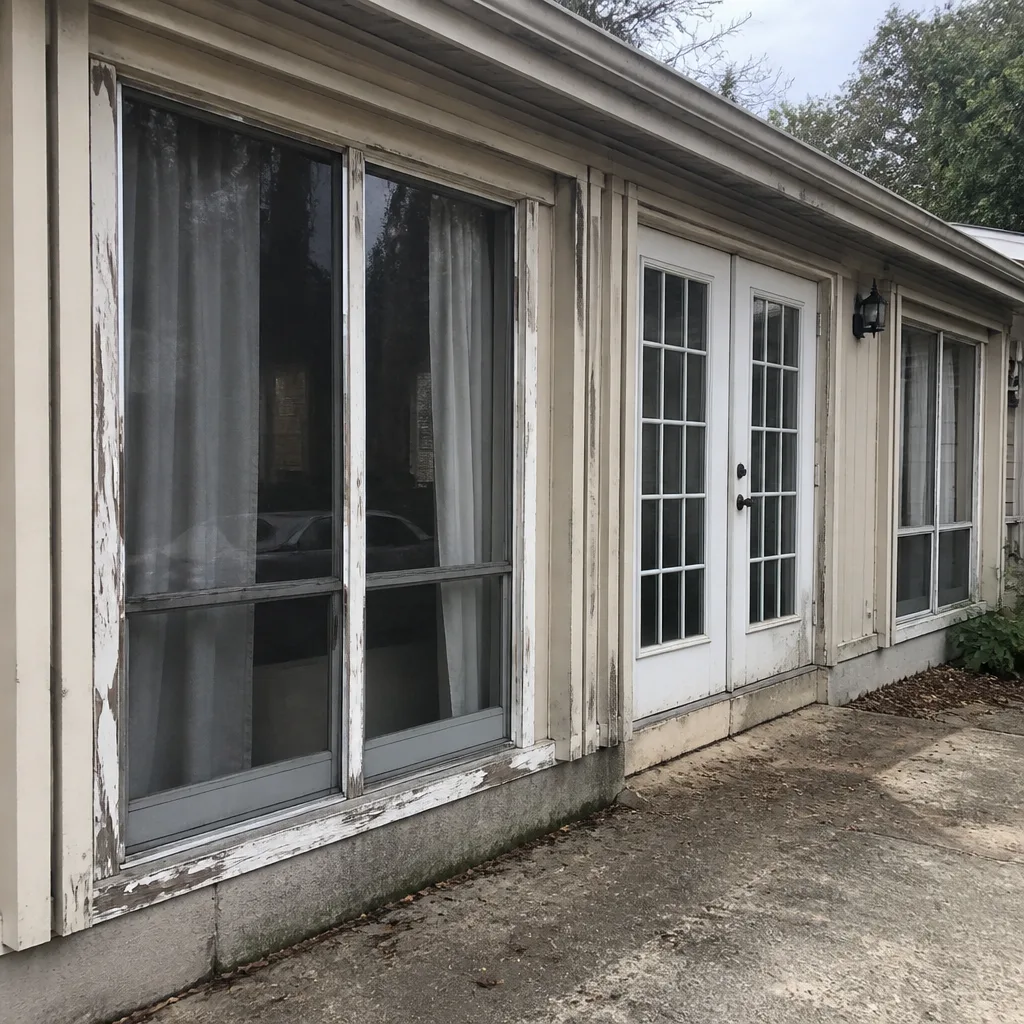
See the difference
 Before
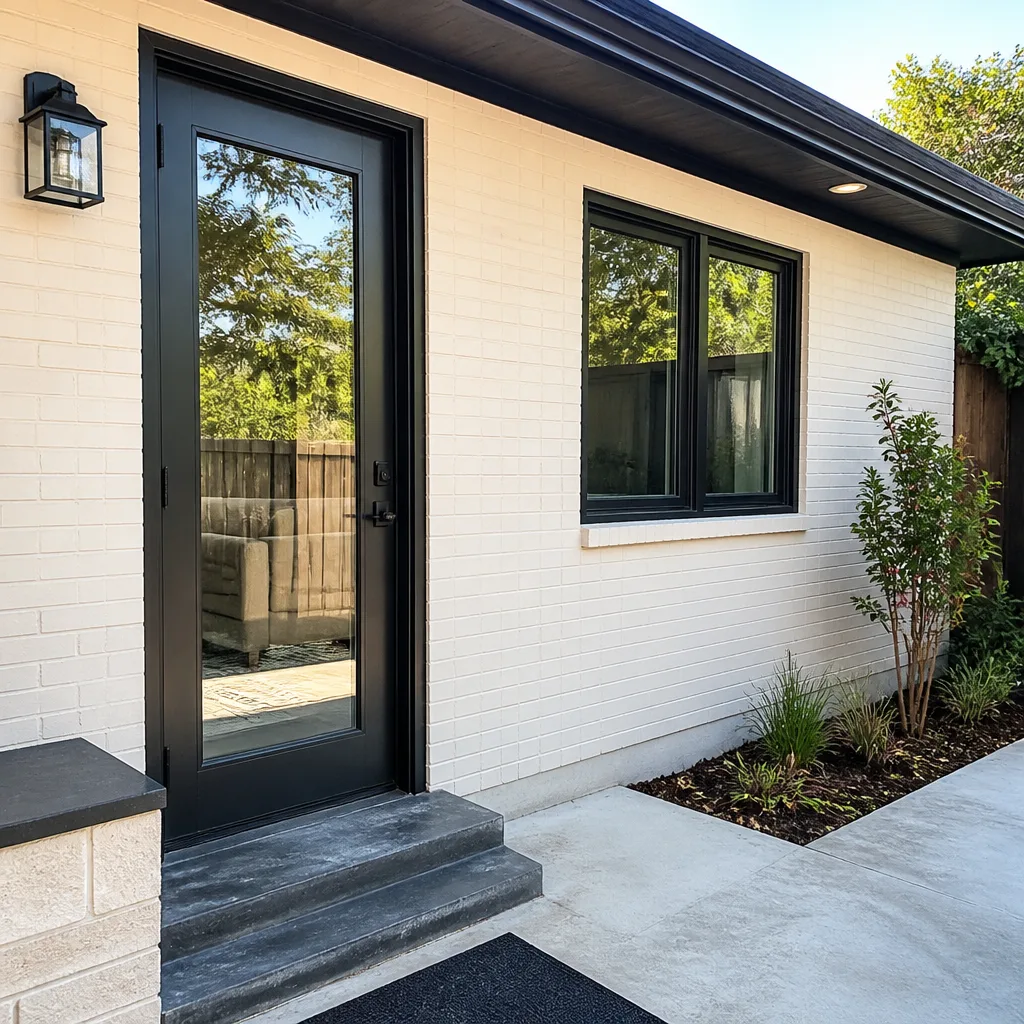 After
After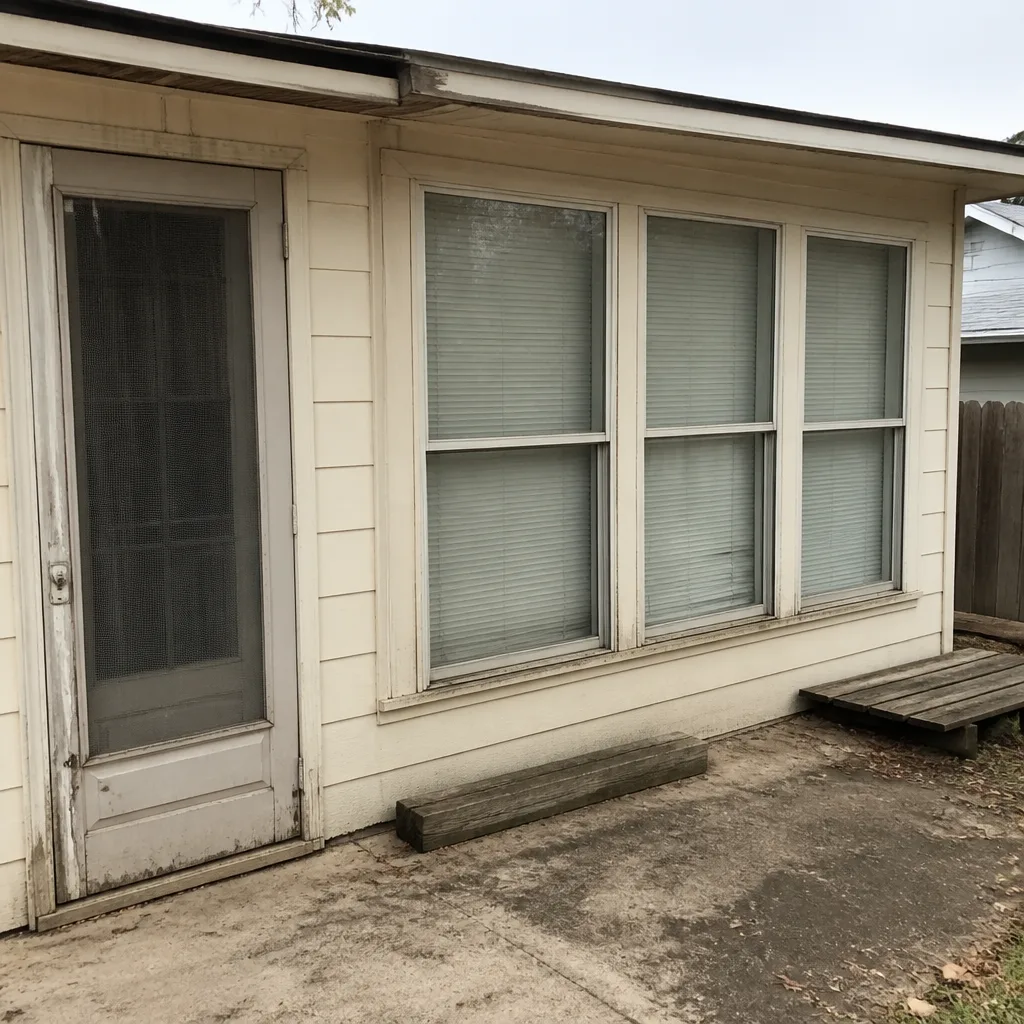 Before
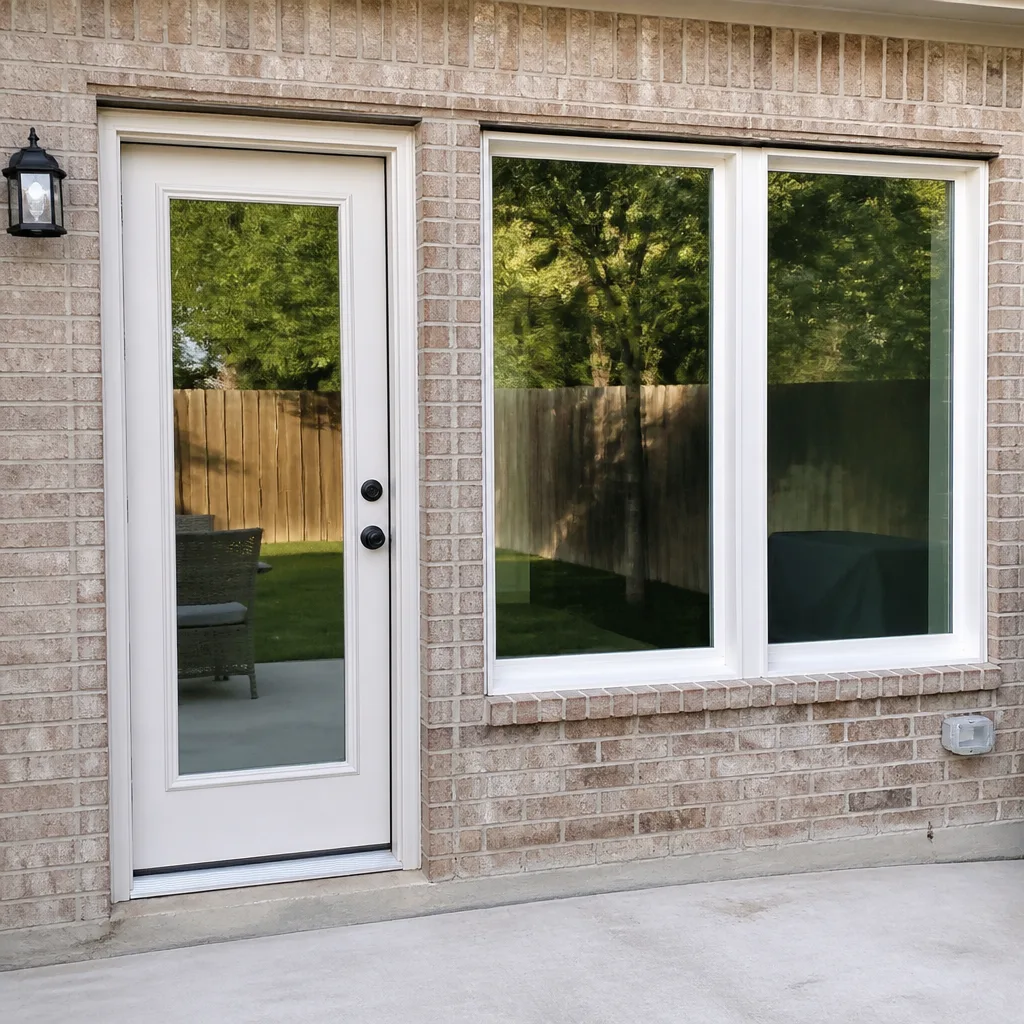 After
After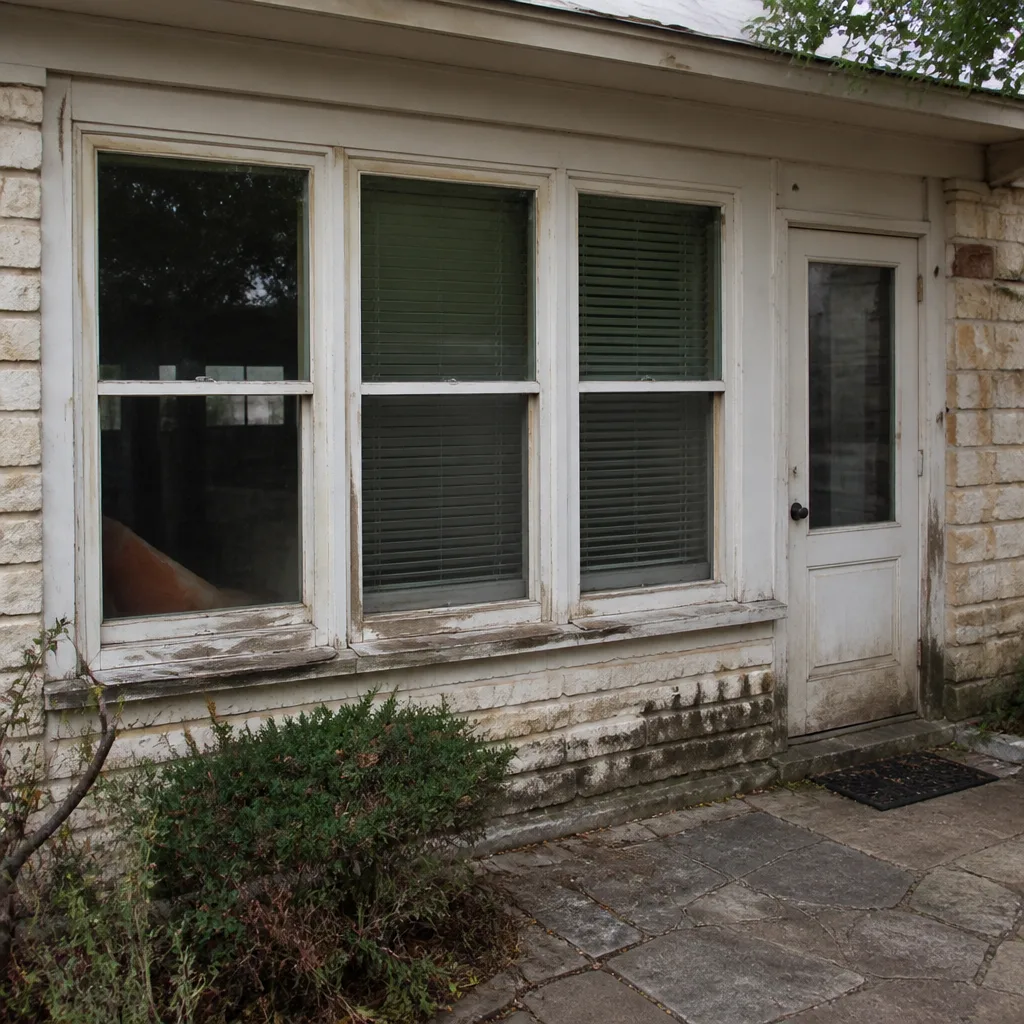 Before
 After
AfterReplacement Cost & What’s Included
For San Antonio CWS window work, plan on these installed ranges:
- Insulated glass replacement only: $365 to $680 per window, depending on glass size, Low-E spec, and whether the sash needs to be reglazed on site
- Sash or operator replacement (no frame work): $280 to $520 per window, including the part and labor
- Full window replacement (CWS or equivalent line): $850 to $1,650 per opening installed, depending on frame material, size, and access
Every estimate is a written price before work starts, and that price does not change when the crew arrives. The number we give you includes the part, labor, haul-away of the old unit, and cleanup. If we open the wall and find something we did not quote, we stop and talk to you before anything changes. Most CWS glass replacements take one to two hours per window. A full frame replacement runs half a day to a full day depending on how many openings you’re doing and what the framing looks like once the old unit comes out. The work is covered by our 365-Day Done Right Promise: if the finished job is not right, we make it right, no debate, no countdown.
DIY or Call Us?
You can safely check a few things before picking up the phone. Confirm the CWS model label or measure the glass to identify the unit. Look for cracks, fogging, or a sash that’s binding, and write down what you see. You can also check the balance shoe by removing the sash tilt latches and looking inside the jamb, but on CWS vinyl units, do not remove the shoe or the spring assembly yourself. Those springs are under tension, and if one lets go, it can take a finger with it. Same with the glass: a full CWS insulated unit is heavy, and the corners on a broken pane are sharper than they look.
Where DIY goes wrong most often on CWS windows is the measurement. Glass that’s off by even a sixteenth of an inch will not seat correctly, and the seal will fail early. For most homeowners, the right move is to identify the problem, then call us at (325) 420-4173. We’ll send a technician who knows CWS assembly, takes the measurements off the existing unit, and confirms the part before ordering. Estimates are free.
FAQs
A well-installed CWS window in San Antonio typically gives you 18 to 25 years before the insulated glass seals begin failing, with vinyl frames generally outlasting aluminum in our heat and humidity. Windows on west- and south-facing elevations fail faster because the sun loads the glass hard, warming the air space, pressurizing the seal, and eventually saturating the desiccant. If your CWS windows are hitting the 15-to-20-year mark and starting to fog, replacement glass is the most cost-effective route. Call (325) 420-4173 and we’ll tell you honestly whether a glass swap or a full replacement makes sense for your specific windows.
Yes, in many cases. Failed sealed glass, worn weatherstripping, broken crank operators, and bad balance shoes on CWS windows can usually be repaired without replacing the entire window, and we stock common CWS operators and hardware on our trucks. If the frame itself is bent, corroded through, or the sash has degraded to the point that new components will not seat correctly, replacement becomes the more honest option. We’ll only recommend full replacement when a repair would leave you with a window that will not perform, and the written quote will show you why.
Most insulated glass and part replacements take one to two hours per window from setup to final cleanup, and we can usually schedule the job within a week of the parts arriving. A full frame replacement runs longer because we pull the old unit, prep the opening, set the new window, trim the exterior, and seal everything properly. We’ll give you a specific timeline before the job starts, and our crews work around your family’s schedule, including quiet hours for kids and pets.
We keep common CWS replacement hardware on our trucks: crank operators, balance shoes, latches, and weatherstripping. Sealed glass units and sashes are ordered per job to match your exact size, glass spec, and frame color, and most CWS parts arrive within five to seven business days. If your part is backordered, we’ll tell you at the estimate, not after you’ve paid a deposit. We also stock parts for PGT, CGI, and ES Windows, so if your home has a mix of brands, we can handle them all in one visit.
When your CWS window fails, the fix should feel simple: tell us what you’re seeing, get a written price, and have a crew show up that treats the house the way you would. That’s how we run every job in San Antonio. Call (325) 420-4173 to schedule a free estimate, or walk us through the symptoms over the phone. A live person answers, any hour.
Written by Keith Yamada, Owner, Lightwell Windows San Antonio at Lightwell Windows San Antonio, serving San Antonio and nearby areas.
Six Reasons Homeowners Choose Lightwell Windows San Antonio
Laminated glass and reinforced frames hold up to wind-driven rain, hail and flying debris, so your openings stay sealed when the weather turns.
Low-E insulated impact glass from our manufacturer lines commonly cuts monthly cooling bills 20-30%.
Laminated impact glass shuts out up to 40% of outside noise - traffic, neighbors, weather.
Monitoring services run $30-90 a month. Laminated impact glass resists forced entry around the clock, with no subscription.
Tighter seals and insulated glass even out hot and cold rooms and stop the drafts at the frame.
A full impact package upgrades curb appeal, buyer confidence and appraised value in one project.