
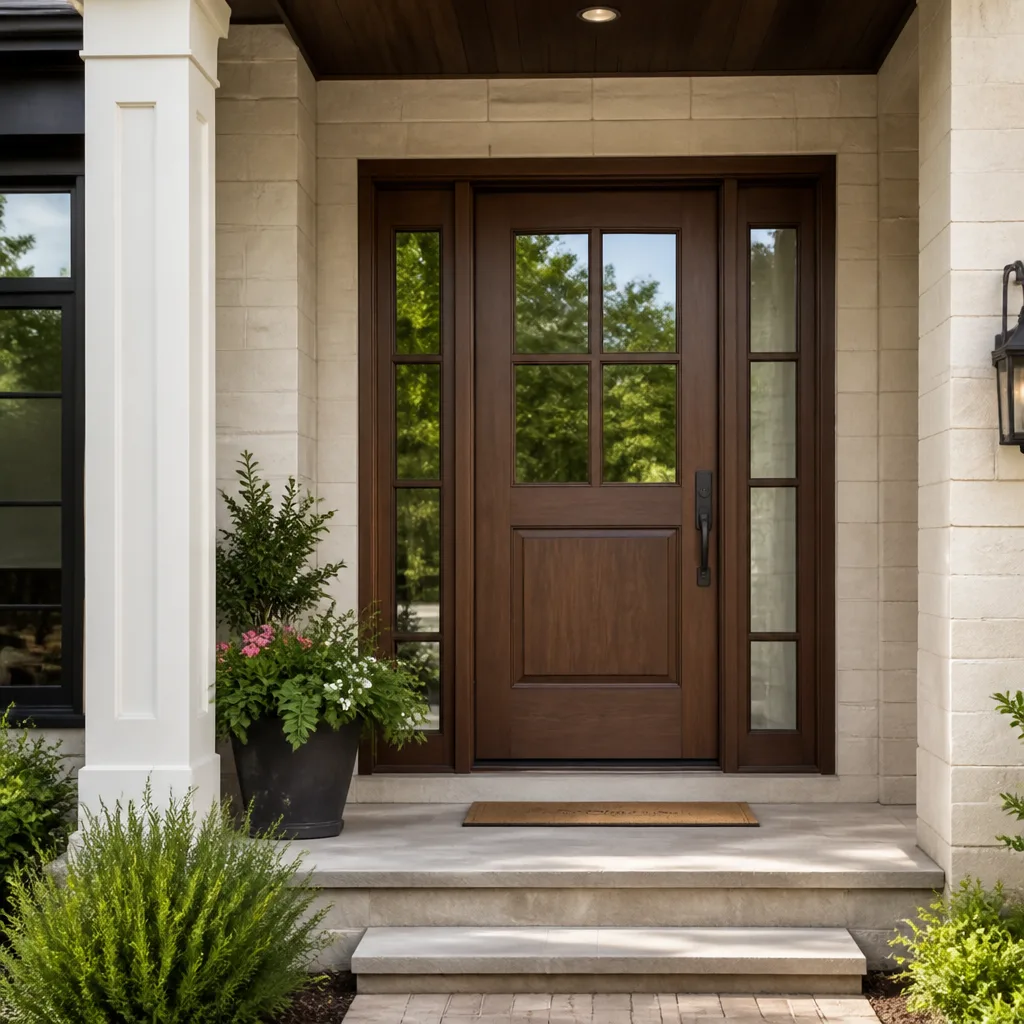
 Entry doors
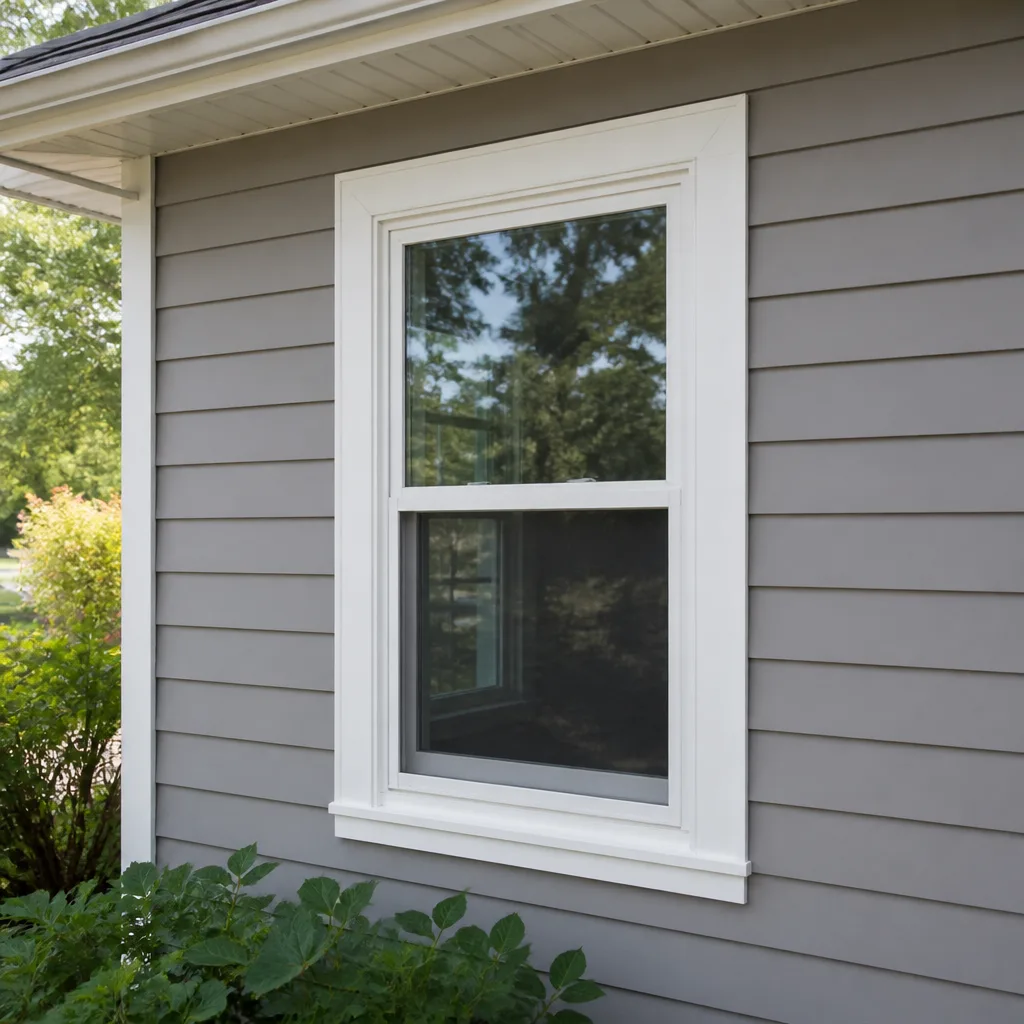 Single hung
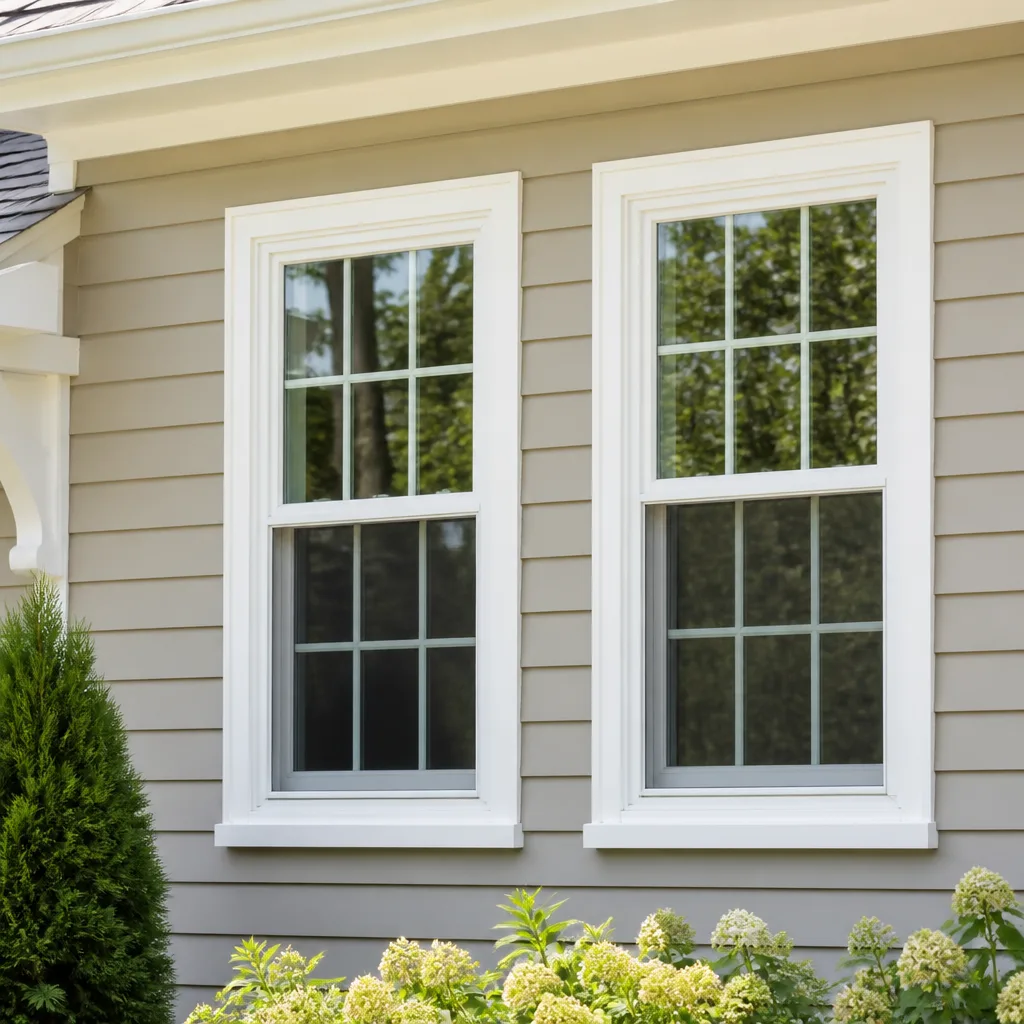 Double hung
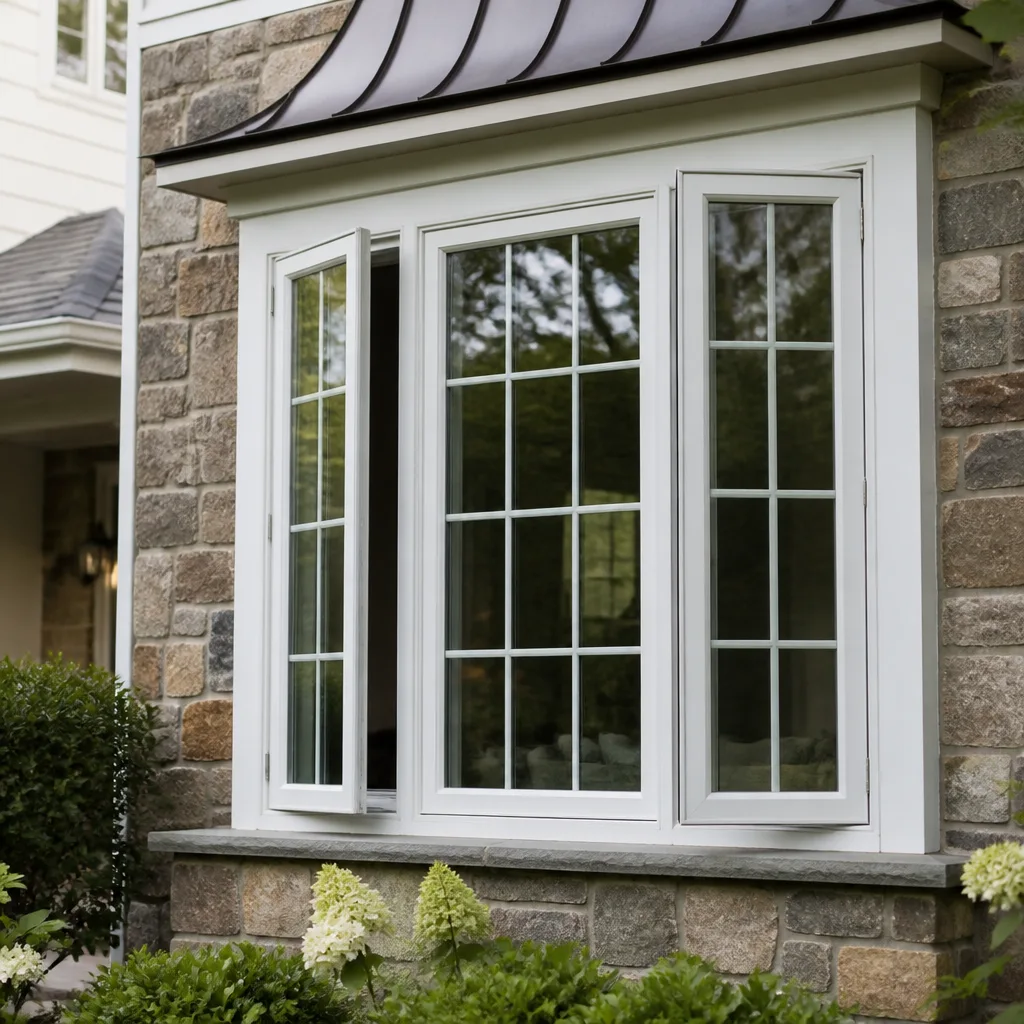 Casement
 Bay & bow
 Impact garage doors
 CGI
CGIFree in-home measure and quote - PGT, CGI and CWS impact lines compared on your actual openings, style by style
Get your free estimateCGI Sliding & Patio Doors: The San Antonio Owner’s Guide
If you have a CGI sliding or patio door with a part that’s failing, we stock and install CGI-compatible rollers, handles, locks, track caps, and weatherstripping for most of their sliding door lines. An installed parts repair on a CGI slider in San Antonio typically runs between $180 and $650 depending on whether we’re replacing a single roller assembly, a full track and roller set, or the lock and handle hardware together. Most people discover the problem when the door suddenly takes two hands to move, the handle stops latching, or they feel a draft along the edge of the frame. We carry common CGI slider components on our trucks when we roll out, so a single visit often finishes the job.
Which CGI Models This Applies To
CGI has made a few distinct sliding door lines over the years, and the parts are not always interchangeable between them. The big split is between their older non-impact sliders and their current impact-rated models built for coastal and high-wind zones. If you have a CGI impact slider, the roller assemblies use a heavier stainless-steel carriage, and the track is often a reinforced design that won’t accept the lighter rollers from their standard line. The quickest way to identify what you have is to look at the top edge of the operating panel. CGI stamps or labels their glass with a code that includes the series designation, and that code tells us what hardware family to pull. We also measure the roller housing itself, since two CGI models can share a frame profile but use different wheel diameters.
We’re an independent San Antonio service provider, not a CGI affiliate, so our recommendation is based on what fits your door best, not what a manufacturer’s preferred list tells us to push. For older CGI sliders, a quality aftermarket roller with a sealed stainless bearing often outperforms the original. For the locking hardware, we usually recommend staying with the OEM part because the strike geometry is precise, and an aftermarket handle that is off by a sixteenth of an inch will never latch cleanly.
Styles & brands we work with
Signs Your CGI Sliding & Patio Doors Is Failing
- The door drags or grinds when you slide it. The roller wheels have flattened or the bearings have seized, and the door is now scraping metal on metal inside the track. On San Antonio’s limestone-heavy soil, dust and grit work into the rollers faster than most homeowners expect.
- The handle won’t latch, or it latches but doesn’t lock. The internal mortise mechanism inside the handle has worn, or the hook has been out of alignment with the strike for so long that both sides have rounded over. This is not something to leave, because a slider that doesn’t lock is an invitation.
- You can see daylight or feel air along the vertical edge of the door. The weatherstripping has compressed or pulled away from the frame, and once it loses its seal, the door starts letting in dust, drafts, and the occasional scorpion when it is dry outside.
- The door panel sits visibly lower on one side. One roller assembly has failed completely while the other still carries the weight. Left this way for months, the panel starts dragging on the track and carving a groove into the aluminum.
- The track is dented or has a hard spot that the door catches on. Something heavy went over the threshold or the track was hit by a piece of furniture. The roller wheels can’t survive a dented track for more than a few hundred cycles before they begin to break down.
How to Identify Your Specific CGI Door
Before you call, there are three things that help us match parts before we even arrive. First, look for that CGI sticker or etched code on the glass corner of the sliding panel. Second, look at the handle: older CGI sliders used a white metal handle with a rounded profile, while the newer impact models use a thicker, squared-off handle in either white or bronze. Third, measure the visible width of the sliding panel edge profile. Most CGI sliders use either a 1-1/2-inch or 1-3/4-inch interlock stile, and that measurement narrows down the roller housing immediately. If you can send us a photo of the sticker and the handle, we can usually confirm the parts family before we head to your neighborhood.
See the difference
 Before
 After
After Before
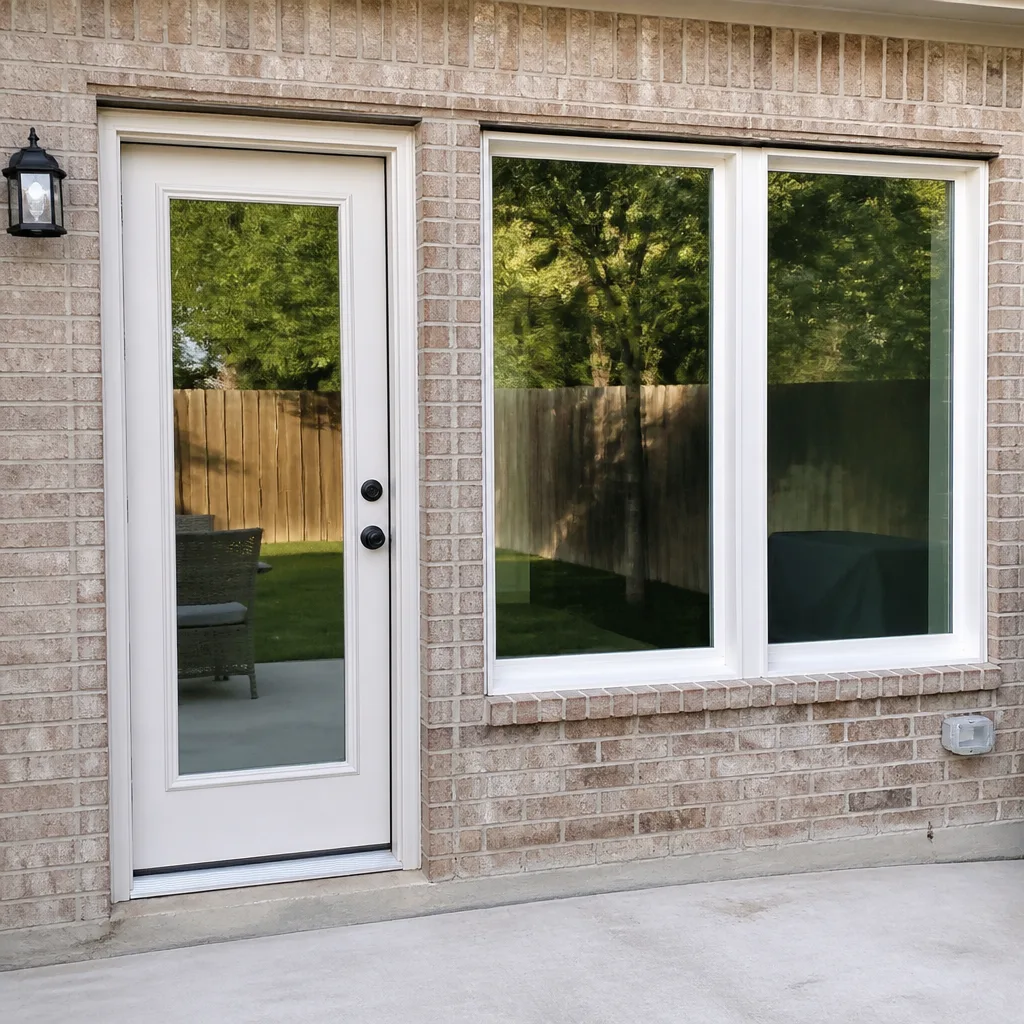 After
After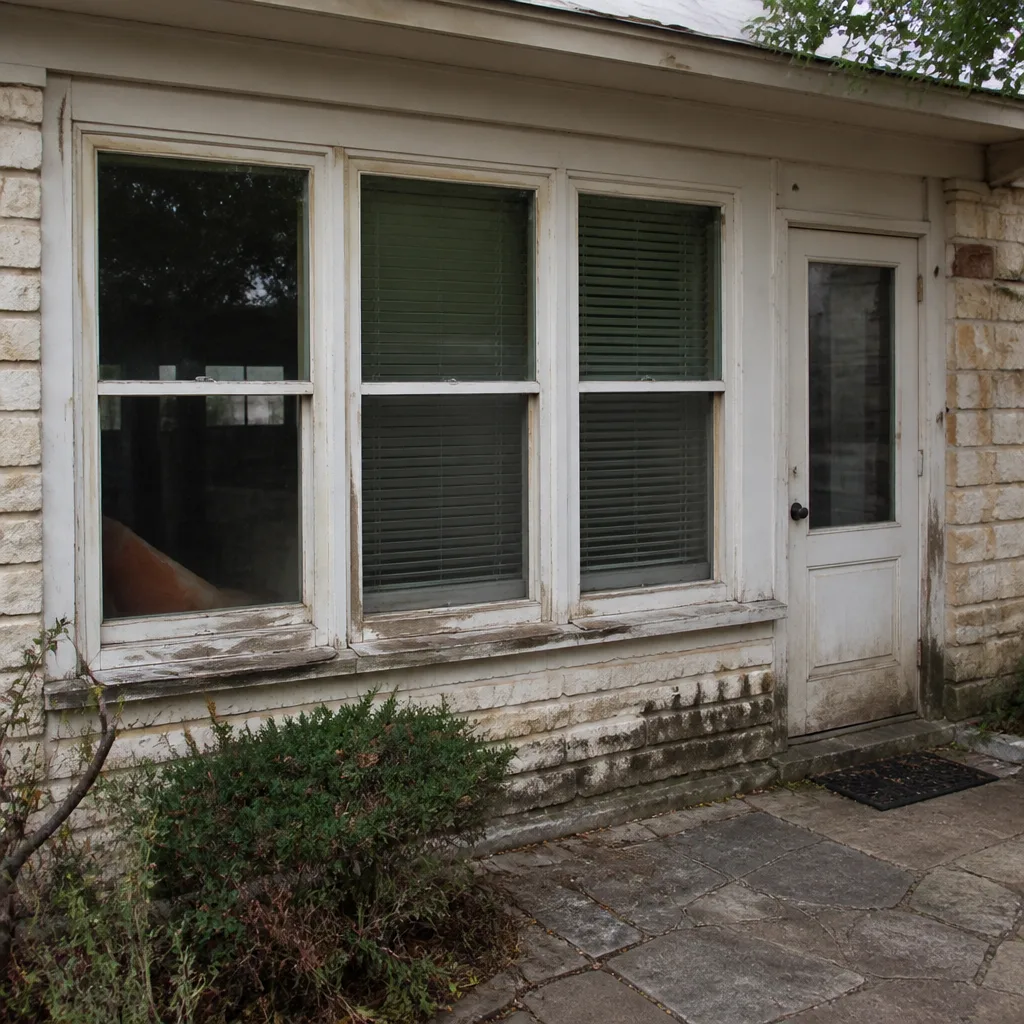 Before
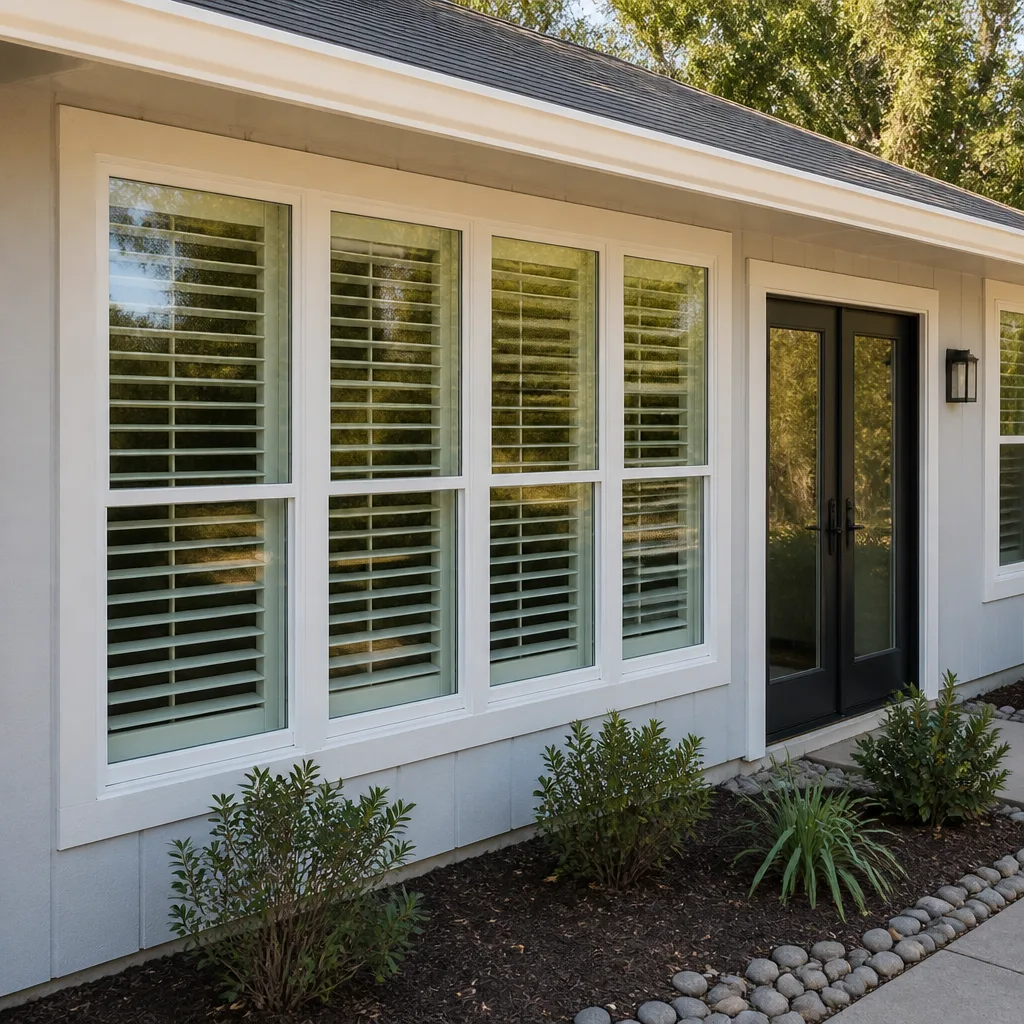 After
AfterReplacement Cost & What’s Included
Here is the honest San Antonio pricing picture for CGI slider work. A single roller assembly replacement starts around $180 to $220 installed, and that includes pulling the panel, cleaning the track, fitting the new roller set, and adjusting the panel height so it glides evenly. A full roller and track cap replacement on both sides runs $300 to $450 depending on the model. A new handle and lock set with fresh weatherstripping typically lands between $280 and $400. The price you agree to before we start is the price you pay, written down, with no change orders at the end. Every parts repair carries our 365-Day Done Right Promise, and we leave a photo of the clean-up before we pull out of the driveway.
We use shoe covers and drop cloths on every visit, so the dust from the old track never spreads into the carpet or across the tile. Keith Yamada, who leads our San Antonio crew, keeps a small notebook on every job to write down which doors catch that west-facing afternoon sun, because a slider on the west wall of a home near Alamo Heights is going to wear differently than one on the shaded north side of a King William bungalow.
DIY or Call Us?
There are a few things you can safely check on your own. Vacuuming the bottom track with a crevice tool, tightening the visible screws on the handle plate, and wiping down the weatherstripping with a mild soap solution are all reasonable homeowner tasks. Past that, the work gets heavy and easy to get wrong. A sliding glass panel is surprisingly heavy, and once you tilt it out of the track, it wants to fall in whatever direction you let it lean. Putting the panel down on a floor without protection will chip tiles, scratch wood, and irritate whoever has to look at the damage every day. If the rollers have collapsed, the door needs to come out carefully with two people and proper panel cups. Call us when it gets to that point, and we’ll get it done without drama.
FAQs
In San Antonio, most CGI slider rollers last between 8 and 15 years before they start to flatten or seize. Homes on the south and west sides of town, where dust and afternoon heat are more aggressive, tend to wear rollers toward the shorter end of that range. If you live near open limestone ground or a construction corridor, plan on checking the rollers every few years.
In most cases, the door can be repaired with new rollers, a new lock, or fresh weatherstripping without replacing the whole unit. Full replacement is only necessary when the frame itself is twisted, the glass is fogged, or the track has been deeply damaged. We’ll tell you if a repair doesn’t make sense and show you the numbers for both options. Call (325) 420-4173 for an exact quote.
A roller replacement or handle swap on a CGI slider usually takes 60 to 90 minutes once the panel access is set up. If we’re doing both panels and a full track service, plan on two to three hours. We’ll confirm the timeline before we start so you can plan around nap time or a pet who thinks visitors are the event of the day.
We keep common CGI roller assemblies, handle sets, and weatherstripping on our trucks and in our San Antonio parts stock, so most repairs finish in one visit. Special cases, like a specific bronze-finished handle for an older series, may take a few days to source, and we’ll tell you that before we schedule. Along with CGI, we also stock parts for PGT, CWS, and ES Windows doors.
Written by Keith Yamada, Owner, Lightwell Windows San Antonio at Lightwell Windows San Antonio, serving San Antonio and nearby areas.
Six Reasons Homeowners Choose Lightwell Windows San Antonio
Laminated glass and reinforced frames hold up to wind-driven rain, hail and flying debris, so your openings stay sealed when the weather turns.
Low-E insulated impact glass from our manufacturer lines commonly cuts monthly cooling bills 20-30%.
Laminated impact glass shuts out up to 40% of outside noise - traffic, neighbors, weather.
Monitoring services run $30-90 a month. Laminated impact glass resists forced entry around the clock, with no subscription.
Tighter seals and insulated glass even out hot and cold rooms and stop the drafts at the frame.
A full impact package upgrades curb appeal, buyer confidence and appraised value in one project.